

What to Keep in a Dry Bag: 8 Essentials Worth Protecting
A dry bag should protect the gear whose failure would actually change the trip, not simply every object you happen to carry. Before relying on any enclosure, understand waterproof versus water-resistant claims and check the bag maker’s stated limits.
Start with dry clothing, electronics, navigation, first aid, food, medication and critical documents. Keep wet gear, leaking liquids and sharp unprotected objects somewhere else. The best dry-bag system protects the items that would matter most if the boat flipped, rain moved in or the rest of your gear got soaked.
If it can safely get wet, it does not deserve the best dry space.
Overpacking one giant dry bag makes access harder and can crowd the closure. A better system reserves protected space for warmth, communication, navigation and recovery.
Paddling.com and the American Canoe Association both put dry clothing, food, first aid and other safety-related items high on paddling packing lists. The exact load changes by trip, but the logic is consistent: protect what would create the biggest problem if it failed.
Warmth. Communication. Navigation. Recovery.
A genuinely dry insulating layer can matter far more than an extra accessory after a swim or weather change.
Your phone or emergency communication gear deserves its own protected space if you rely on it.
Paper maps, permits and route information should not depend on the rest of the load staying dry.
First aid, medication, food and a dry change help turn a bad moment into a manageable one.
A practical dry-bag packing list.
Keep at least one dry layer available for after a swim, rainstorm or temperature drop.
Protect electronics from outside water and from damp items packed beside them.
Paper navigation can become useless when soaked, so critical documents deserve secondary protection.
Bandages and other first-aid items are more useful dry. Medication may need a labeled protective container.
Keep food that would become unpleasant or unusable when soaked away from wet gear and leaking bottles.
Carry enough drinking water, but tighten caps so a leak does not turn the inside of the bag into a puddle.
Protect trip-specific tools or patch materials when moisture would damage them or make them harder to use.
Keep small valuables organized so you do not have to unpack the entire bag every time you need one.
Some gear creates more trouble sealed in than left out.
Keep moisture makers out
- Wet towels
- Soaked clothing
- Dripping shoes
- Loose bottles that can leak
Keep damage makers out
- Unprotected knives or hooks
- Sharp tool corners
- Dirty gear that can grind against the coating
- Bulky gear that crowds the closure
A bag packed to the absolute top may not leave enough material for the closure to seal the way its manufacturer requires.
Sand, dirt and folded fabric caught in the opening can interfere with the seal.
Sea to Summit and SealLine both publish specific roll-top closure guidance. Use the instructions for your bag.
Leave enough space for a roll-top to form clean folds or for a zipper to close without excessive strain.
A phone, wallet and keys do not always need to live underneath clothing, food and camp gear.
A dry bag is not a PFD.
The American Canoe Association’s paddler checklist treats a dry bag with extra clothing as one part of a broader safety system that also includes an appropriate life jacket. A dry bag may float because it traps air, but it is not flotation or rescue equipment.
Build the rest of the dry-bag system.
Let the dry bag carry the gear. Keep small essentials separate.
The SKÖ Waterproof Crossbody is compact storage for a phone, wallet and keys so you do not have to repeatedly unroll the main dry bag.
See the Waterproof Crossbody →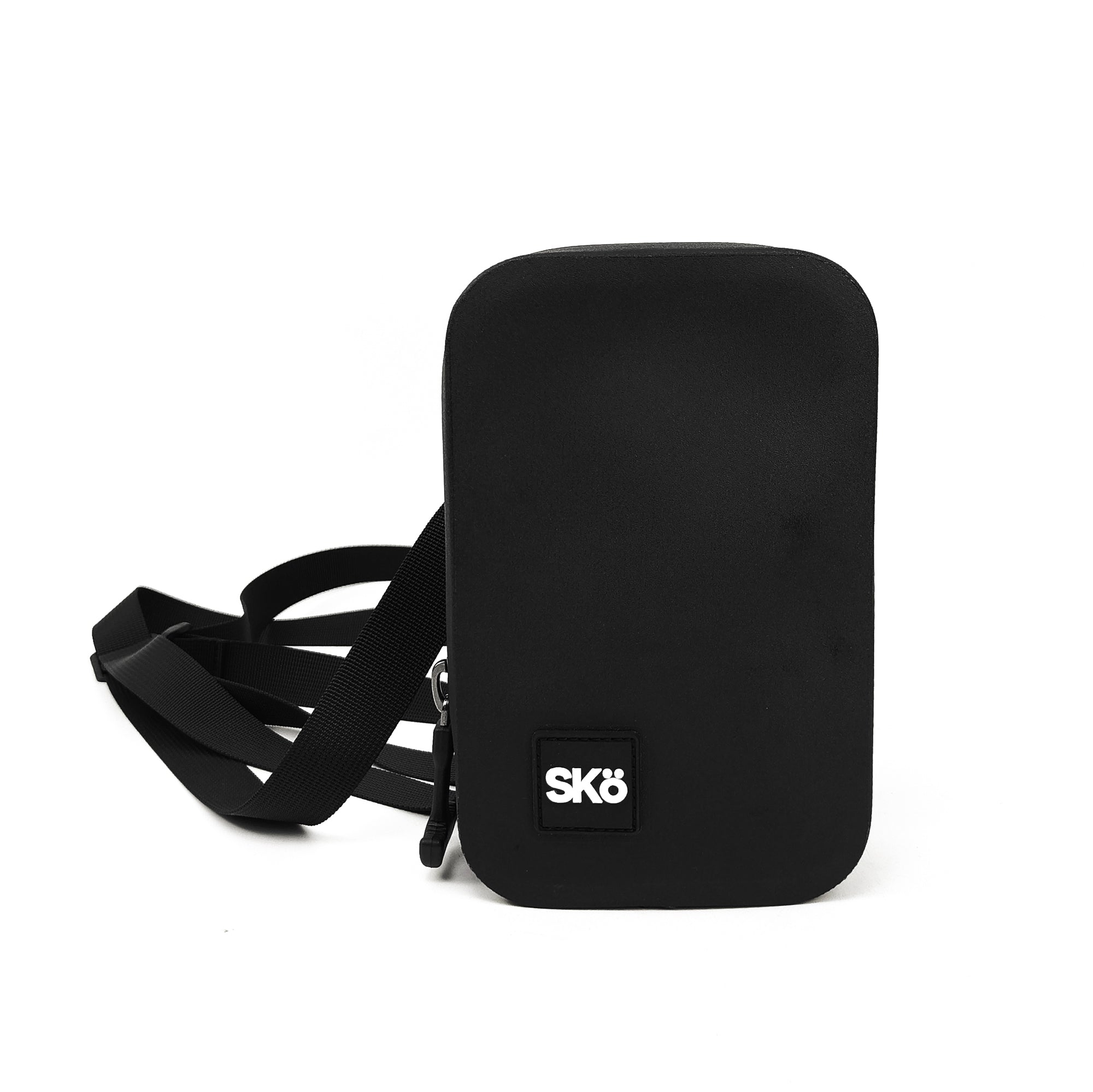
Explore more SKÖ guides
Learn to pack a dry bag, check the seal and choose the right capacity before you head out.
 How to Seal a Roll-Top Dry Bag Properly (and Fix Leaks)
 What Size Dry Bag Do I Need for Kayaking?
 Can a Dry Bag Be Fully Submerged?
 What Size Bag Is Best for Day Trips?