


Keep Small Essentials Protected When Conditions Turn Wet.
Waterproof carry and practical field guidance for phones, electronic keys, credentials, batteries and other small moisture-sensitive essentials during rain, flooding and prolonged outdoor assignments.
General-purpose waterproof storage complements, not replaces, agency-required medical, communications, rescue, PPE, flotation or tactical equipment.
Wet scenes do not make every piece of equipment equally vulnerable.
Rain, standing water, snow, mud, spray and wet equipment may all be part of the working environment.
The useful question is which small items still need to remain dry, organized and accessible. Phones, electronic vehicle keys, identification, credentials, spare batteries and compact electronics can benefit from dedicated waterproof storage without interfering with specialized response systems.
Protect what water can disable, damage or make difficult to access.
Equipment varies by role, agency and assignment. Dedicated waterproof storage is most relevant for compact support items and personal essentials that are not already protected by a required operational system.
Phone & Electronics
Mobile phones, portable chargers and compact electronics may need additional protection during prolonged wet work.
Keys & Credentials
Electronic vehicle keys, identification and credentials are small items that can be important when moving between scenes and vehicles.
Batteries & Accessories
Spare batteries and small communication accessories can benefit from dry, organized storage when appropriate for the equipment.
Personal Essentials
Wallets, notes, documents and other compact moisture-sensitive items can stay separated from larger response equipment.

Dry gear is more useful when you can actually reach it.
Small essentials can disappear inside larger medical, rescue or equipment bags. A dedicated location can keep appropriate personal and support items together without repeatedly opening the primary response bag in rain or standing water.
Waterproof storage should fit around the job, not redefine it.
The equipment and policies of the role come first. General-purpose waterproof carry is most useful as a supplemental layer for appropriate small items.
EMS & Paramedics
Phones, credentials, electronic keys and personal electronics may face rain during vehicle incidents and outdoor medical response.
Fire & Rescue
Weather, hose water, flooding and wet scenes can expose appropriate personal and support items to significant moisture.
Search & Rescue
Remote operations can combine long-duration rain, snow, rivers and canyons with a need to protect appropriate small electronics.
Law Enforcement
Storms, flood response and outdoor assignments can create a need for additional protection for appropriate small personal equipment.
A dedicated place for small, non-specialized essentials.
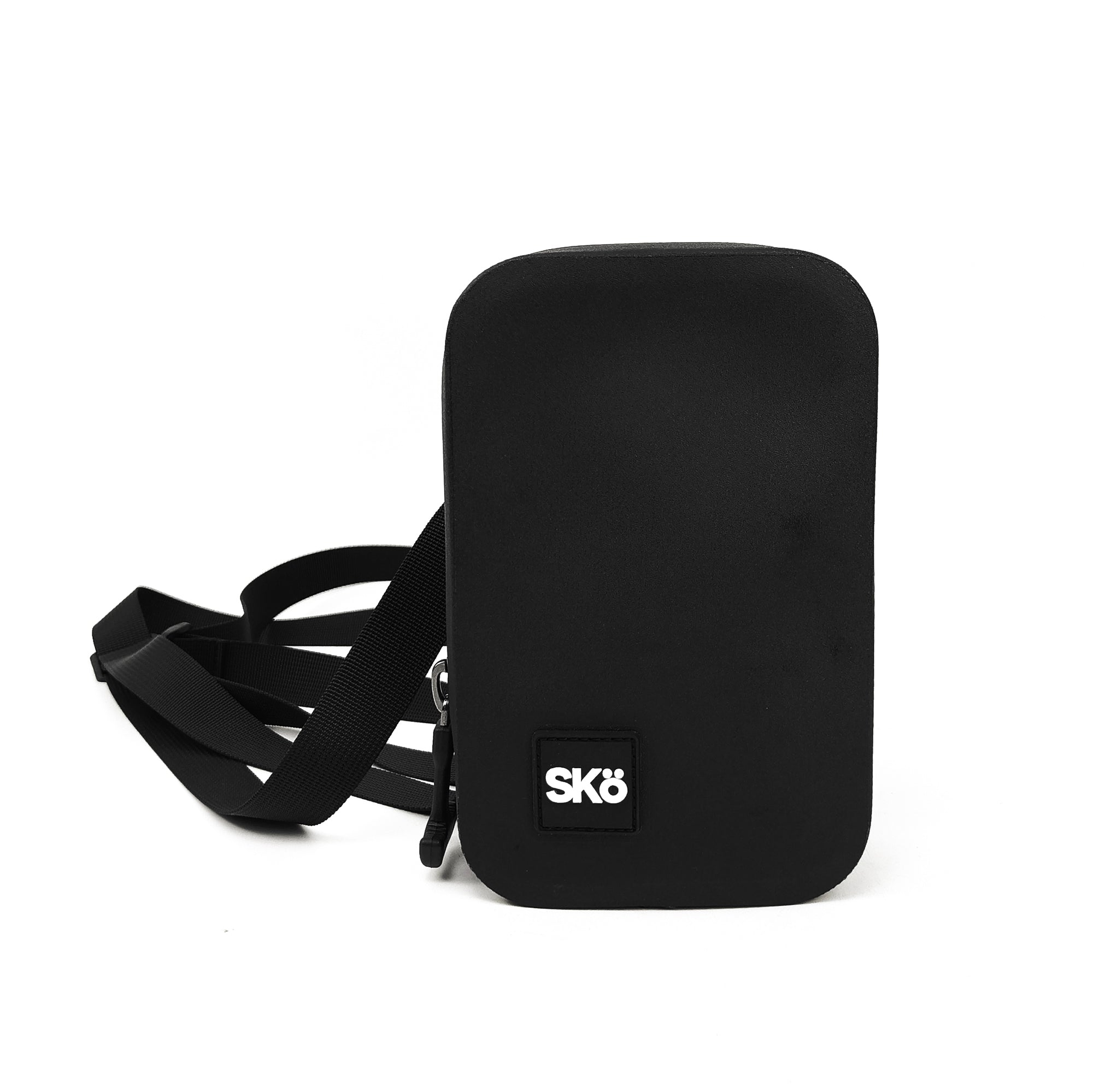
Compact protection without replacing mission-specific gear.
The SKÖ Waterproof Crossbody is designed for waterproof and submersible protection when its waterproof zipper is properly closed and sealed. For first responders, its relevant role is compact storage for appropriate personal or support items such as a phone, electronic key, identification and other small essentials.
SKÖ does not represent the Waterproof Crossbody as certified medical equipment, PPE, a radio harness, flotation equipment, technical rescue equipment or another specialized first responder system.
Light rain, heavy water and immersion are different problems.
The appropriate level of protection depends on what the item may realistically encounter. Published product capabilities and agency requirements should guide the choice.
More water exposure requires a more deliberate storage plan.
Routine outdoor work, severe weather and water-based operations create different risks. Keep general-purpose waterproof storage in its proper supporting role.
Operational requirements come first. A consumer waterproof bag should not automatically be treated as approved medical, tactical, rescue or life-safety equipment. Follow agency policy and manufacturer specifications for mission-critical equipment.
Understand the protection behind the storage.
These guides explain waterproof closures, bag formats and moisture issues that can help when choosing general-purpose protection for appropriate small electronics and valuables.

How Do Waterproof Zippers Actually Work?
Learn how waterproof zipper construction differs from ordinary closures and why complete sealing matters.
Best Waterproof Crossbody Bags for 2027
Compare compact waterproof options for phones, keys, wallets and other small essentials.
Best Waterproof Sling Bags for 2027
Compare larger waterproof sling options when compact carry is not enough.
Best Waterproof Backpacks for 2027
Compare higher-capacity waterproof storage for outdoor and wet-environment gear loads.
Why Is There Condensation Inside My Dry Bag?
Understand why moisture can appear inside sealed storage even when outside water did not leak through.Waterproof Gear for Canyoneering
See how waterproof storage fits into a rugged environment where water and abrasion can occur together.Inspect the storage you expect to protect sensitive gear.
General-purpose waterproof equipment still needs basic care. Check materials and closures before use, then remove mud, grit and moisture before extended storage.
Inspect
Check the bag, material and closure for visible damage or wear before relying on it around moisture-sensitive items.
Clean
Remove mud, sand, grit and debris from waterproof zipper tracks, straps and exterior surfaces after field use.
Dry
Allow wet storage to dry appropriately and follow the manufacturer's care instructions before putting it away.
First responder waterproof gear FAQs
Why is waterproof storage useful for first responders?
It can help protect appropriate small moisture-sensitive items such as phones, electronic keys, credentials, batteries and personal electronics during rain, flooding and wet outdoor work.
What should first responders keep in a waterproof bag?
The answer depends on the role and agency. Examples can include phones, electronic keys, identification, credentials, spare batteries and other small personal or support electronics when compatible with agency requirements.
Is water-resistant storage enough for emergency response?
It depends on the exposure. Light rain and complete immersion are very different conditions, so storage should be matched to realistic water exposure and the requirements of the equipment being protected.
Can first responders use a waterproof crossbody bag?
It can be useful for appropriate small personal or support items that need to remain accessible and protected. It should not replace agency-required medical, communications, rescue, PPE or tactical equipment.
What waterproof gear may be useful for search and rescue?
Small waterproof storage can be useful for appropriate phones, navigation electronics, batteries, identification and other moisture-sensitive items, while specialized rescue equipment should follow team and manufacturer requirements.
Is the SKÖ Waterproof Crossbody certified first responder equipment?
No. SKÖ does not currently represent the Waterproof Crossbody as certified medical equipment, PPE, flotation equipment, a technical rescue pack or another specialized first responder system.
What should I look for in waterproof storage for field work?
Consider expected water exposure, closure design, durability, capacity, accessibility and how the storage fits around required role-specific equipment.
Explore related field conditions.


Keep appropriate small essentials together and protected.
For phones, electronic keys, identification and other compact personal essentials, use waterproof storage as a supporting layer alongside the specialized systems required for the job.