


Why Won't My Dry Bag Roll-Top Seal Properly?
Why Won't My Dry Bag Roll-Top Seal Properly?
Last updated: August 26, 2026

A leaking roll-top usually isn't bad luck on the water — it's almost always how it got rolled on shore.
A roll-top dry bag usually won't seal because it wasn't rolled enough times — three folds is the real minimum, not one or two — the trapped air wasn't pushed out first, or the bag is packed too full for the fabric to fold flat against itself. All three are packing mistakes, not defects, and all three take under a minute to fix.
The roll-top closure works by layering the same strip of fabric over itself multiple times, so water has to fight through several folds instead of one. Skip a fold, roll it crooked, or leave an air pocket in there, and you've built a much weaker seal without realizing it — the bag looks closed, but it isn't sealed the way it needs to be.
Here's the sealing process manufacturers actually recommend, and the three things that most commonly break it.
Why does my roll-top dry bag still leak?
Most roll-top leaks come from rolling fewer than three times, not burping trapped air out before rolling, or overpacking the bag so the fabric can't fold flat. Manufacturers including SealLine and Sea to Summit recommend a minimum of three tight rolls in the same direction, with the buckle clipped opposite the fold direction. Fix the technique and most "defective" dry bags seal fine.
The 3-Roll Minimum Most People Skip
It's tempting to fold a roll-top over once, clip the buckle, and call it sealed — especially when you're packing in a hurry at the put-in. But a single fold barely overlaps the fabric, and any wrinkle or twist in that one layer gives water a direct path in. Cascade Designs, which makes SealLine dry bags, recommends a minimum of three folds, with the stiff sealing strips pressed flat and wrinkle-free before you start rolling. Sea to Summit's own closure guidance is nearly identical — fold over the reinforced strip, then roll at least two more times in the same direction before clipping the buckle.
How to Seal a Roll-Top Dry Bag Correctly
Before you fold anything, press down on the bag to burp out excess air. A puffed-up bag won't fold flat, and trapped air pockets are one of the most common reasons a "sealed" bag still lets water seep in around the fold.
Most roll-tops have a stiffer reinforced strip just below the opening. Make sure it's flat and wrinkle-free before you fold — a twisted strip creates a gap no amount of rolling will fix.
Fold the top over the reinforced strip, then keep rolling in the same direction at least two more times. More rolls mean more layered fabric between the water and your gear.
Connect the side-release buckle in the direction opposite to how you rolled the material, or along the sides if your bag has side buckles. This keeps tension even across the seal instead of pulling it loose on one side.
Seal the bag with nothing valuable inside, submerge it briefly in a sink or tub, and check for bubbles or damp spots. It's a two-minute test that tells you whether your technique actually works before you're relying on it on the water.
What a "Waterproof" Rating Actually Promises
OutdoorGearLab's dry bag testing, which submerges bags for 24 hours as part of its review process, has found that even well-regarded roll-top bags can let small amounts of water trickle in from the ends of the closure under full submersion, while performing fine against splashes and short dunks. That's not necessarily a flaw in the bag — most roll-tops are built and rated for the kind of exposure you get kayaking or rafting, not for indefinite full submersion. If you genuinely need a bag rated for extended time underwater, that's a different spec than "keeps my gear dry on a normal paddle," and it's worth checking what your specific bag is actually rated for rather than assuming "dry bag" means the same thing across every model.
How many times should I roll a dry bag closure?
At least three times, rolled tightly and in the same direction, according to major dry bag manufacturers including SealLine and Sea to Summit. Rolling fewer times leaves less overlapping fabric between the opening and the water, which is the single most common cause of a roll-top that leaks.
Can I fix a dry bag that keeps leaking at the roll-top?
Usually, yes — most leaks trace back to technique, not damage. Check that you're burping air out first, rolling at least three times with the sealing strips flat, and not overpacking the bag so it can't fold completely. If it still leaks after correcting all three, inspect the fabric and seams for a puncture or worn coating.
Sources
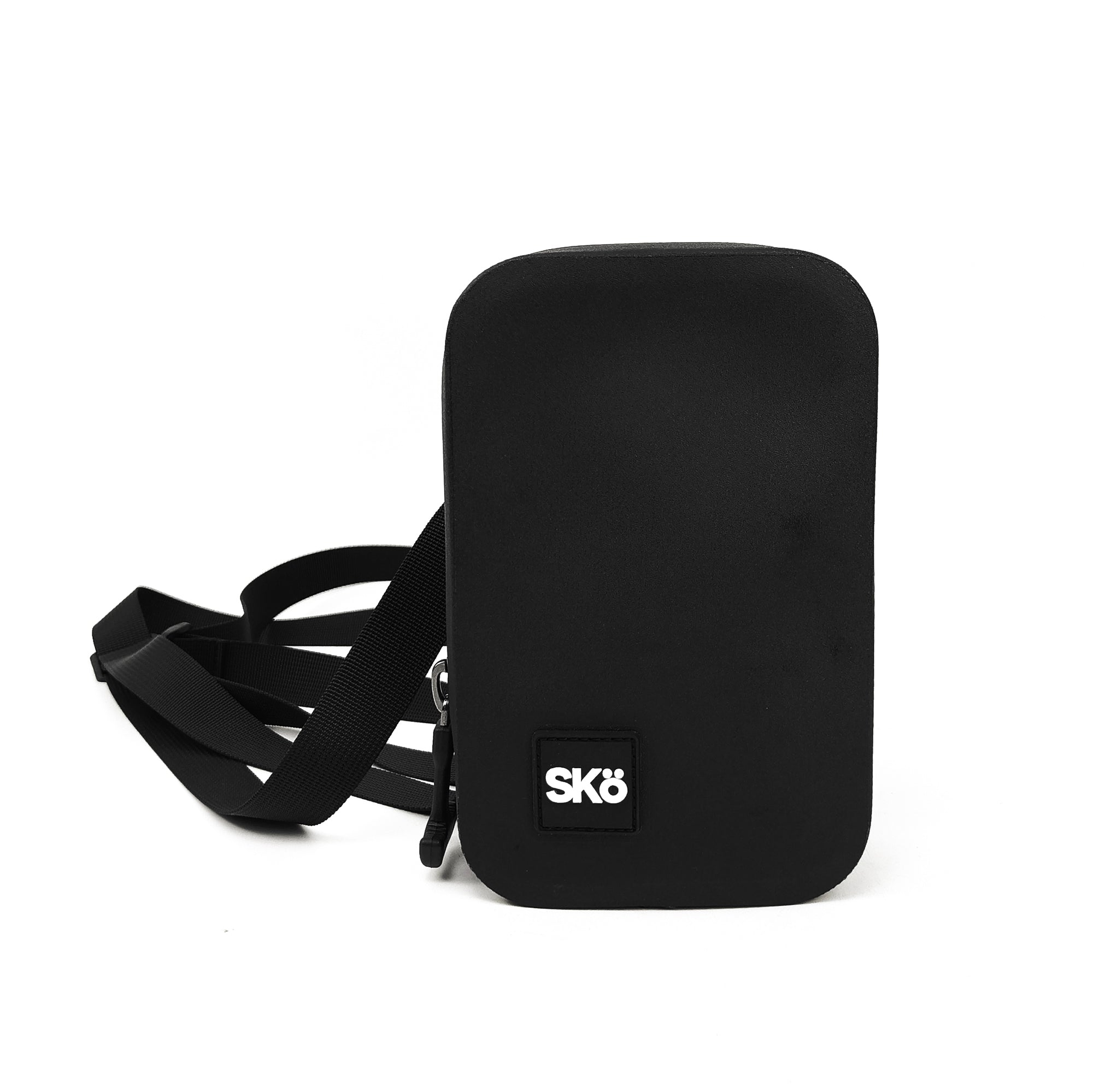
If you're only carrying a phone, wallet, and keys rather than a full overnight kit, skipping the roll-top math altogether with a welded-seam waterproof crossbody removes this whole failure point.
$80 · Limited Lifetime Warranty