

Waterproof Gear for Snorkeling & Diving | Keep Valuables Dry
Waterproof Gear for Snorkeling & Diving: How to Protect Your Phone, Keys & Valuables

Snorkeling puts your gear directly in the water. Diving adds pressure and depth, which changes what "waterproof" really needs to mean.
The best waterproof gear for snorkeling keeps your phone, keys, wallet and other small valuables protected during full submersion while staying compact enough to wear comfortably in the water. For scuba diving, however, depth and pressure matter, so any bag or electronics case taken below the surface needs to be specifically rated for the intended dive depth.
Snorkeling and diving both involve full water exposure, but they are not exactly the same from a gear perspective.
Snorkeling usually keeps you close to the surface. Scuba diving can take gear much deeper, where water pressure increases significantly.
That means a bag that works well for swimming or snorkeling should not automatically be assumed safe for deep diving.
What waterproof gear do you need for snorkeling?
If you're taking a phone, car key, wallet, ID or other small valuables into the water while snorkeling, use waterproof storage designed for full submersion and keep it securely attached to your body. For scuba diving, use equipment specifically rated for the depth and pressure of the planned dive.
Snorkeling vs. Scuba Diving: Why Depth Matters
Both activities involve being underwater, but the demands on your gear are very different.
Snorkeling
Most snorkeling takes place at or near the surface, with relatively shallow dives.
- Repeated submersion
- Saltwater exposure
- Waves and surf
- Low-profile gear preferred
Scuba Diving
Dive equipment must handle increasing water pressure as depth increases.
- Greater water pressure
- Longer underwater exposure
- Depth-rated gear required
- Specialized equipment is essential
What Should You Bring Snorkeling?
Most snorkeling trips don't require much, especially once you're actually in the water.
- Mask
- Snorkel
- Fins
- Appropriate flotation or snorkel vest if needed
- Phone if you need it
- Car or hotel key
- ID or payment card
- Reef-conscious sun protection where appropriate
- Water for after your session
Can You Take Your Phone Snorkeling?
Yes, but your phone needs more protection than a normal pocket or splash-resistant bag.
Snorkeling involves repeated submersion, waves and saltwater. Even if you're staying at the surface, the phone may spend a significant amount of time underwater.
If you're bringing it with you, use protection specifically designed for underwater exposure.
If you actually want to use the phone to take underwater photos, a purpose-built underwater phone housing may be a better choice than a general waterproof bag.
Where Should You Put Your Keys While Snorkeling?
This is one of the biggest practical problems on beach snorkeling trips.
You may have driven to the beach, rented a car or need a hotel key card, but there's nowhere secure to leave those items.
If you need to take them into the water, keep them in waterproof storage attached securely to you.
Hotel Key Card
Many key cards are relatively simple to carry, but they still need to stay secure.
- Small and easy to lose
- Fits easily in compact storage
- Can stay with your ID and cards
Electronic Car Key
Electronic key fobs contain components you don't want exposed to saltwater.
- Expensive to replace
- Should remain dry
- Needs reliable waterproof storage
Waterproof Crossbody vs. Phone Pouch for Snorkeling
The better option depends on how much you're carrying.
Waterproof Crossbody
Better when you're carrying more than just a phone.
- Phone
- Car key
- ID
- Cards
- Cash
- Small personal items
Waterproof Phone Pouch
Good when your phone is basically the only thing you need in the water.
- Very compact
- Minimal drag
- Limited storage space
Where the SKÖ Waterproof Crossbody Fits In
For snorkeling, beach entry, swimming and other surface-water activities, a compact waterproof crossbody gives you one place for the essentials you don't want to leave unattended.
- Keeps phone, keys and wallet together
- Stays attached to your body
- Provides more storage than a phone-only pouch
- Works before and after you enter the water
- Useful for beaches, boats and shore excursions
- Designed for real waterproof protection
Can You Dive Down While Snorkeling With a Waterproof Bag?
Short, shallow surface dives are very different from scuba diving.
If you're duck diving a few feet while snorkeling, you're still dealing with full submersion, so the bag needs to be designed for that type of water exposure.
But as depth increases, pressure increases too.
Once you're talking about deeper freediving or scuba diving, you should rely on equipment with a clearly specified depth rating.
What Should You Do With Valuables on a Scuba Dive?
For most recreational scuba dives, the simplest option is to leave unnecessary personal valuables somewhere secure rather than taking them underwater.
Depending on the dive setup, that may mean:
- Hotel safe
- Secure dive shop storage
- Locked vehicle
- Boat dry-storage area
- With a trusted non-diver
If you need to take equipment underwater, use gear specifically designed and rated for scuba diving.
Why Saltwater Requires Extra Care
Saltwater doesn't just get things wet. It leaves salt deposits behind after the water evaporates.
Those deposits can build up around zippers, closures, straps and hardware.
Sand adds another problem, especially when entering from a beach.
After ocean use, rinse the exterior, zipper, closure and hardware to remove salt.
Brush or rinse loose sand away from the closure before accessing your valuables.
Let waterproof equipment dry before storing it for long periods.
Waterproof vs. Submersible vs. Depth-Rated
| Protection | Designed For | Best Use |
|---|---|---|
| Water-Resistant | Rain and light splashes | Not ideal for snorkeling |
| Waterproof | Significant water exposure | Depends on the product |
| Submersible | Complete immersion | Swimming and surface snorkeling |
| Depth-Rated | Specified underwater pressure | Freediving or scuba, depending on rating |
How to Protect Valuables While Snorkeling
Leave unnecessary cards, cash and electronics somewhere secure.
If the bag is going underwater, make sure it's designed for submersion.
Check the closure before entering the water.
Make sure your valuables cannot float away or be lost in waves.
Fresh water helps remove salt and sand before storage.
Snorkeling & Diving FAQs
Can I snorkel with a waterproof bag?
Yes, if the bag is designed for full submersion and is worn securely. Products intended only for rain or splashes should not be assumed suitable for snorkeling.
How do I keep my phone dry while snorkeling?
Use waterproof storage designed for underwater exposure, seal it completely and keep it securely attached to your body. If you want to actively use the phone underwater, consider a purpose-built underwater phone housing.
Where should I put my car keys while snorkeling?
If secure shore storage isn't available, keep electronic keys in reliable waterproof storage attached to you. Saltwater can damage electronic key fobs, so they should not be exposed directly.
Can I scuba dive with a waterproof crossbody bag?
Only if the specific bag is rated for the depth and pressure of the planned dive. A product that is waterproof or submersible at the surface should not automatically be assumed safe for scuba diving.
What's the difference between submersible and depth-rated?
Submersible generally means a product can withstand complete immersion under specified conditions. A depth-rated product gives a defined underwater depth or pressure limit, which becomes especially important for freediving and scuba diving.
Should I rinse waterproof gear after snorkeling?
Yes. After saltwater use, rinse the exterior, zipper, closure and hardware with fresh water and allow the gear to dry before storing it.
Keep Your Essentials With You at the Surface
Snorkeling is exactly the kind of activity where leaving your phone, car key and wallet unattended on shore isn't always ideal.
The SKÖ Waterproof Crossbody gives your small essentials a waterproof place to stay for swimming, snorkeling, beach entry and other surface-water adventures.
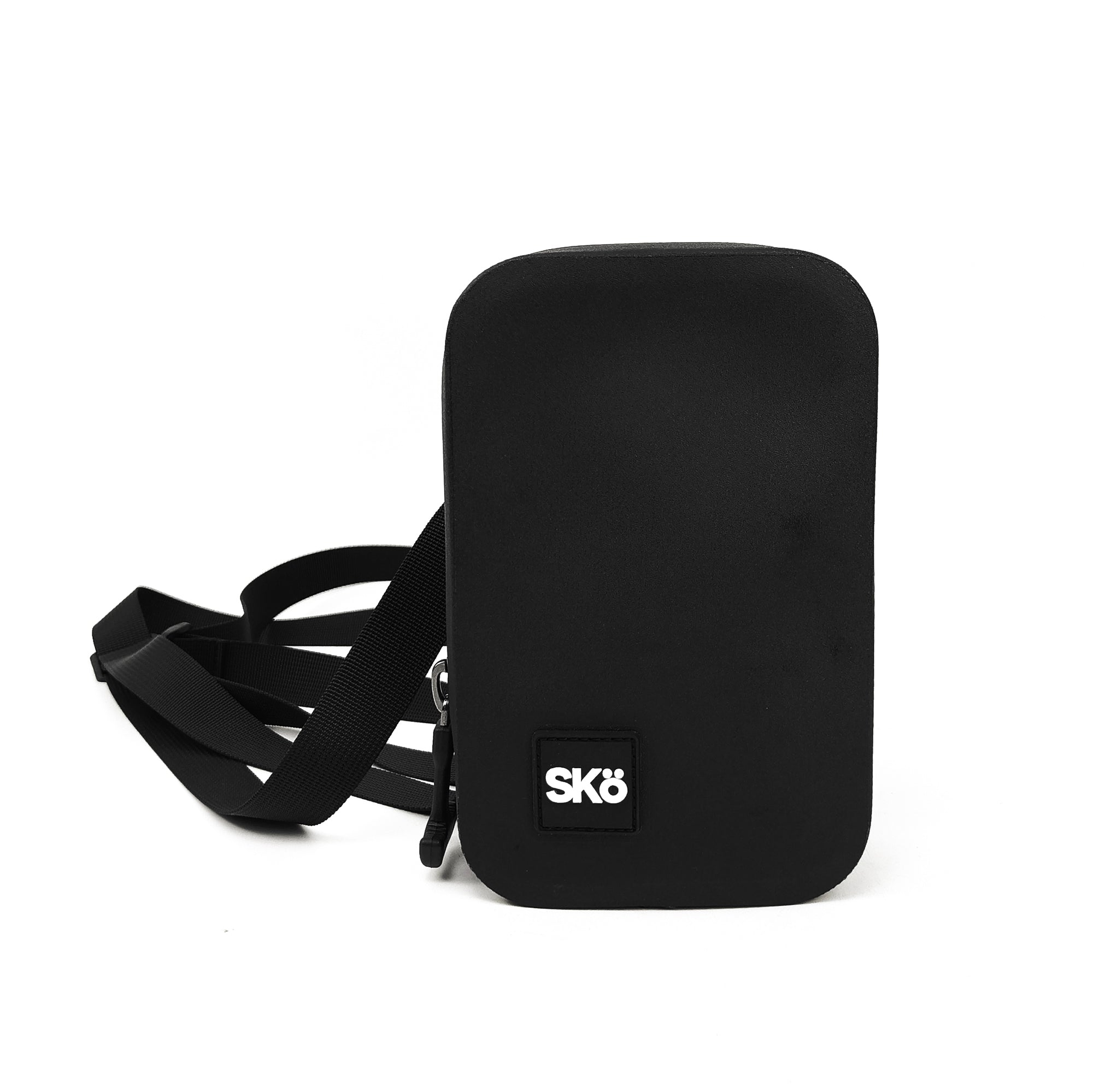
Fully waterproof protection for your everyday essentials.