


Take the Water. Keep the Essentials Dry.
Waterproof gear and practical field guides for snorkeling, swimming and life at the surface, with clear guidance on where submersible gear ends and depth-rated dive equipment begins.
For deeper freediving and scuba, use equipment with a published rating appropriate for the intended depth and pressure.
Snorkeling changes what “waterproof” needs to mean.
Rain and splashes are one thing. Snorkeling puts your gear directly into the water, often around waves, salt and sand. Phones, electronic keys, IDs and cards need protection intended for complete immersion if you choose to bring them with you.
Depth is a separate question. A product described as waterproof or submersible should not automatically be treated as scuba or deep-freediving equipment. When pressure becomes part of the use case, look for an appropriate published depth or pressure rating.
Carry the essentials. Leave the rest somewhere secure.
A locker, hotel safe, secure vehicle storage or someone you trust is preferable for anything you do not need while snorkeling. If you must carry valuables, consolidate them into as little protected storage as possible.
Phone
Carry it sealed if you only need it with you. Use a purpose-built underwater phone housing if you intend to operate it underwater.
Electronic Key
Keep electronic key fobs isolated from direct saltwater exposure and securely attached to you.
ID & Cards
Small essentials take little space and can stay together rather than being spread across pockets and bags.
Snorkel Gear
Mask, snorkel, fins, appropriate flotation when needed, sun protection and drinking water for afterward.

Your storage should match what the day is actually going to throw at it.
For snorkeling and swimming, that means thinking beyond rain resistance and choosing protection intended for complete immersion under the product's stated conditions.
Compact protection for the things you don't want to leave on shore.
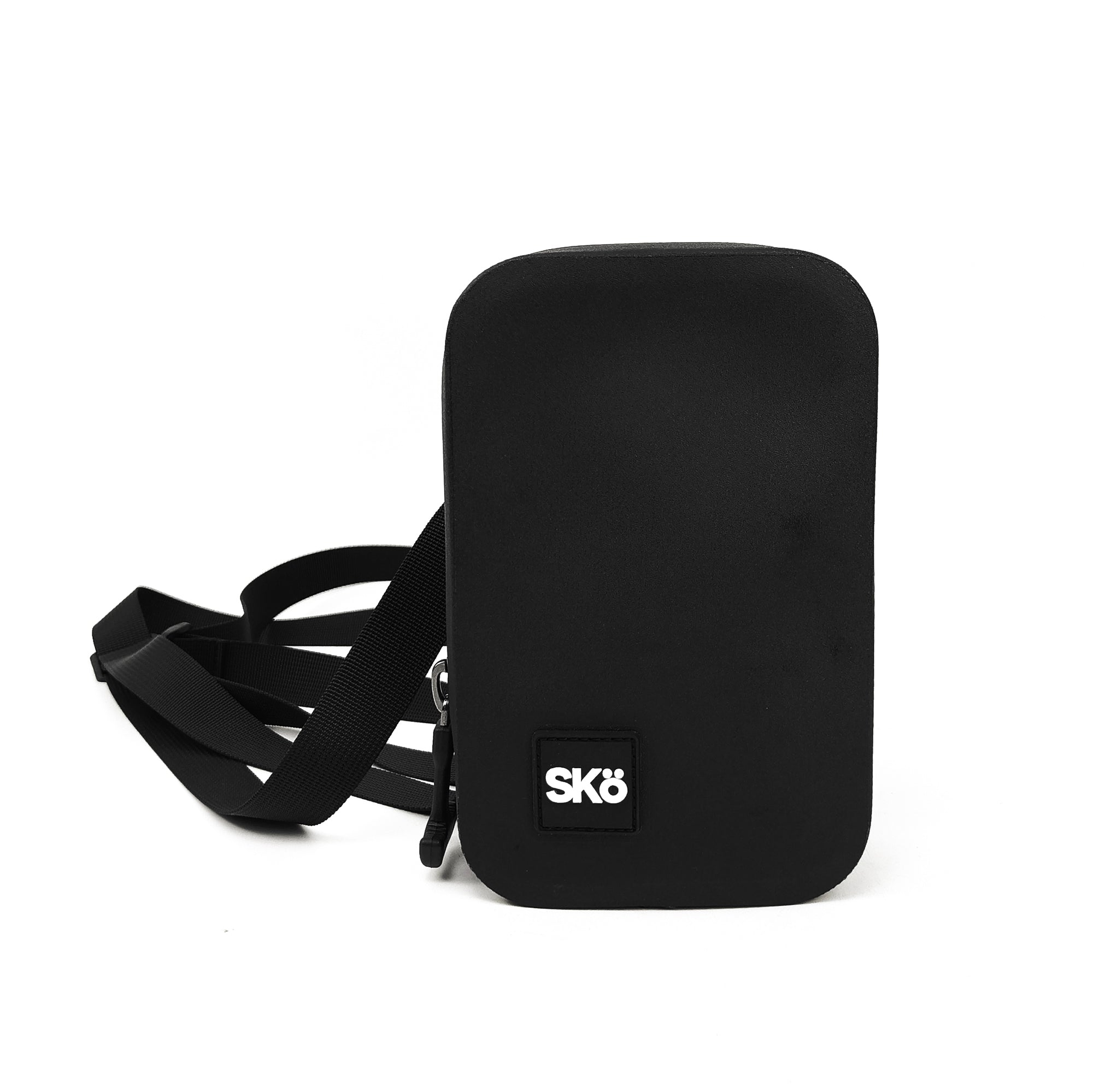
Phone. Keys. ID. One protected place.
The SKÖ Waterproof Crossbody is designed for waterproof and submersible protection when its waterproof zipper is properly closed and sealed. Its compact size is intended for small valuables during snorkeling, swimming, beach entry and other surface-water activities.
SKÖ manufactures this product. SKÖ does not currently publish a scuba-diving depth or pressure rating for the Waterproof Crossbody, so this page does not represent it as scuba equipment.
Water-resistant, waterproof, submersible and depth-rated are not interchangeable.
The label matters less than the manufacturer's stated conditions of use. Match the protection to the environment you're actually entering.
Snorkeling, freediving and scuba place different demands on equipment.
Complete immersion and underwater pressure are related but different requirements. Increasing depth means increasing pressure, which is why deeper underwater use calls for equipment rated for that environment.
Do not infer a depth rating. A waterproof or submersible product is not automatically suitable for scuba diving or deeper freediving. If the manufacturer does not publish an applicable rating, don't assume one.
Go deeper on the question you're actually trying to answer.
Explore in-depth guides covering snorkeling, waterproof storage, swimming, gear care and choosing the right protection for your time in the water.

Best Waterproof Bag for Snorkeling and Beach Trips
Choose between body-worn submersible storage for valuables and larger dry storage for the gear staying on shore.
Best Waterproof Crossbody Bag for the Beach
What to look for when you want your phone, wallet and keys to stay with you instead of sitting on the sand.
Best Waterproof Crossbody Bags for 2027
Compare compact waterproof bags and see which options are genuinely rated for full submersion.
Why Won't My Touchscreen Work Through a Waterproof Case?
Learn why wet touchscreens become unresponsive and what to do when you're using your phone around the ocean or pool.
Best Way to Carry Valuables on a Cruise Excursion
Plan what to carry ashore when a port day includes snorkeling, beach time, tender rides or other water exposure.
How Do Waterproof Zippers Actually Work?
Understand the difference between a zipper that sheds surface water and one engineered for actual submersion.Salt and sand deserve a simple post-water routine.
Saltwater can leave residue after evaporation, and beach sand can collect around zipper tracks, sealing surfaces, straps and hardware.
Rinse
Rinse the exterior, zipper, closure and hardware with fresh water after ocean use.
Clear
Brush or rinse loose sand away from the closure before opening the bag.
Dry
Allow the gear to dry before storing it for extended periods.
Snorkeling & waterproof gear FAQs
Can I snorkel with a waterproof bag?
Yes, if the product is designed for full submersion and can be worn or secured appropriately. Do not assume a rain-resistant bag is suitable for snorkeling.
How do I keep my phone dry while snorkeling?
Use storage designed for complete water exposure, fully seal it and keep it securely attached. If you want to operate the phone underwater, a purpose-built underwater phone housing may be more appropriate.
Where should I put my car keys while snorkeling?
If secure shore storage is unavailable, keep electronic keys in sealed waterproof storage attached to you and avoid exposing the key fob directly to saltwater.
Is a waterproof crossbody useful for snorkeling?
It can be useful when you need several small valuables such as a phone, electronic key, ID and cards, provided the product is designed for submersion and is worn securely.
Can I scuba dive with the SKÖ Waterproof Crossbody?
SKÖ does not currently publish a scuba-diving depth or pressure rating for the Waterproof Crossbody. It should not be assumed suitable for scuba diving.
Should I rinse waterproof gear after snorkeling?
After saltwater use, rinse the exterior, zipper, straps and hardware with fresh water and allow the gear to dry before storage.


Keep the essentials close when shore isn't.
Explore SKÖ waterproof carry designed around swimming, paddling, travel and the moments when ordinary bags are not enough.