


Plan for More Than a Splash.
Waterproof carry and practical field guidance for protecting phones, electronic keys, wallets and small valuables from paddle drips, breaking waves, water inside the raft and possible submersion.
Follow your guide or outfitter's instructions for personal flotation devices, cold-water protection, what may be worn on your body and how equipment should be secured.
“I'll try to keep it dry” isn't much of a rafting plan.
Paddles drip. Waves break over the tubes. Wet passengers climb back aboard. Water collects inside the raft. In rougher conditions, a swimmer or flipped raft can turn splash exposure into full submersion.
The practical setup separates small valuables from larger river gear. Phones, electronic keys, wallets and IDs can stay in compact waterproof storage, while clothing, food, first-aid supplies and group equipment belong in appropriately secured dry bags.
Start with the items that create the biggest problem if they get soaked or lost.
Trip length, weather, water temperature and river difficulty change the rest of your packing list, but a few personal essentials deserve their own protected place.
Phone
Useful for photos and communication, but rafting can expose it to much more water than an ordinary pocket or fabric bag is built for.
Electronic Keys
If you drove to the river, put the key fob into waterproof storage before launching rather than remembering after everything is wet.
Wallet & ID
Bring only what you need and keep identification, cards and cash together instead of loose inside the raft.
River Gear
Extra layers, food, first-aid supplies, towels and group equipment generally need larger secured dry storage.

Inside the raft does not automatically mean dry.
Paddle drips, waves, wet passengers and standing water can soak gear without anything ever going overboard. Whitewater adds the possibility that you or the bag may end up completely in the water.
Keep the smallest, most important valuables together and secure.
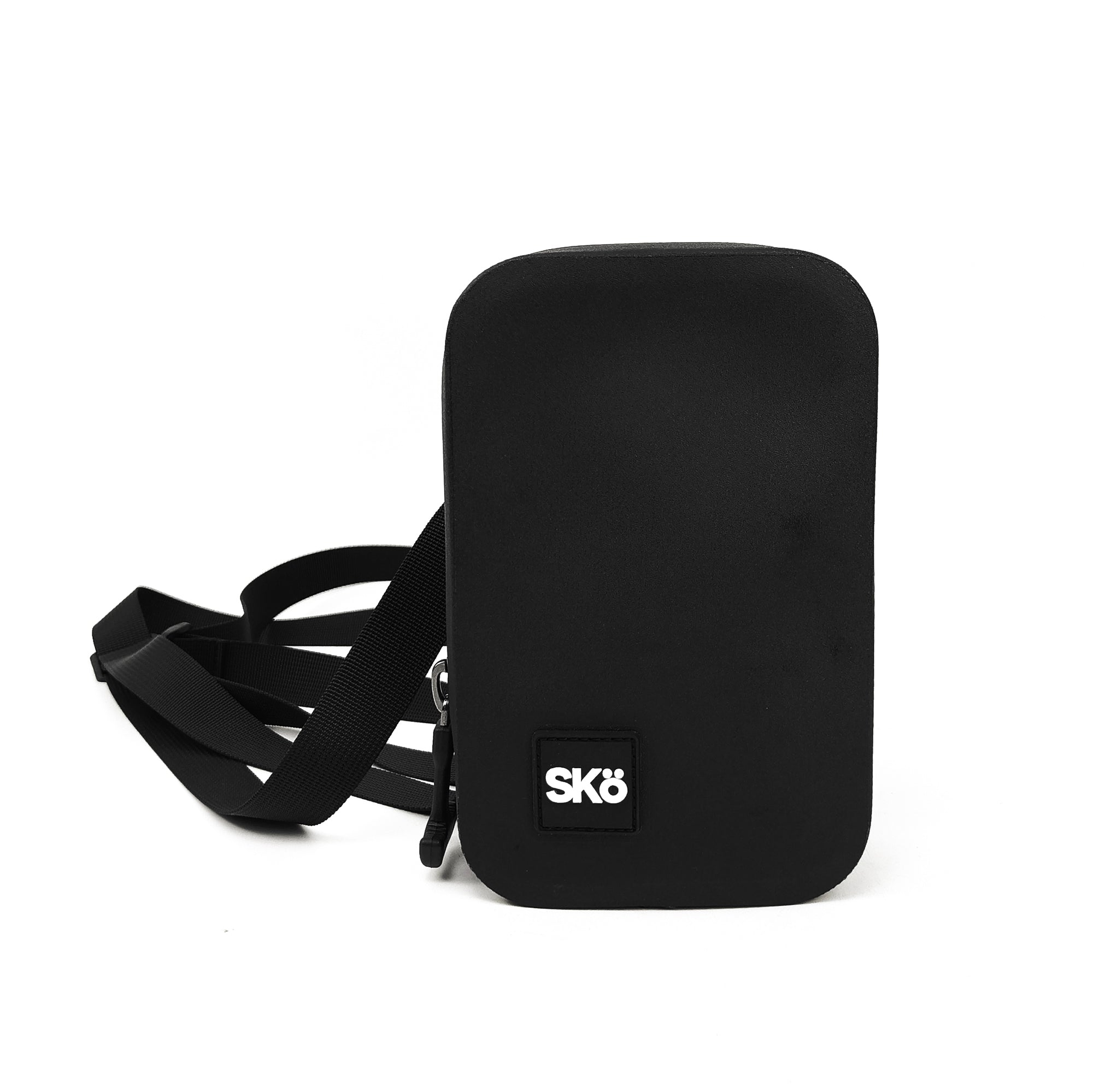
Phone. Keys. Wallet. One waterproof place.
The SKÖ Waterproof Crossbody is designed for waterproof and submersible protection when its waterproof zipper is properly closed and sealed. Its approximately 1.14-liter capacity is intended for small personal valuables rather than clothing or group gear.
SKÖ manufactures this product. Follow your outfitter or guide's rules about body-worn items and gear attachment. Clothing, food, first-aid supplies and larger equipment require appropriately secured higher-capacity storage.
Rafting can move from splash exposure to complete immersion quickly.
A coated fabric or water-resistant zipper may handle rain and light spray. That does not automatically mean the contents are protected if the entire bag goes underwater.
Keep critical valuables small. Scale dry storage with trip length.
A short guided run and a multi-day river trip need very different amounts of gear, but both benefit from separating personal valuables from larger equipment.
Follow your guide's rigging instructions. Commercial outfitters may have specific rules about what can be worn on your body and exactly how dry bags or other equipment must be secured inside the raft.
Go deeper on waterproof carry for river days.
These guides cover compact submersible storage, larger waterproof bags, phone protection and the closures that determine how a bag handles serious water exposure.

Best Waterproof Crossbody Bags for 2027
Compare compact options for phones, electronic keys, wallets and other small valuables around water.
Best Waterproof Sling Bags for 2027
Compare larger technical waterproof slings for watersports, travel, fishing and longer gear loads.
How to Keep Your Phone Dry While Kayaking
Understand spray, submersion and condensation when electronics are carried close to the water.
How Do Waterproof Zippers Actually Work?
See why closure design matters when a bag may face more than surface spray.
Best Waterproof Backpacks for 2027
Compare higher-capacity waterproof storage when your trip requires more than a phone, keys and wallet.
Why Is There Condensation Inside My Dry Bag?
Learn how moisture can appear inside waterproof storage even when water did not leak through the bag.Clean the grit out before the next launch.
River water, sand and grit can collect around closures and straps. A simple post-trip routine helps keep sealing surfaces clean and gear ready for the next day.
Rinse
Rinse away river residue, mud, sand or saltwater with clean fresh water when appropriate.
Clear
Inspect zipper tracks and sealing surfaces and remove grit or debris before closing the bag again.
Dry
Allow waterproof gear to dry before extended storage and follow the manufacturer's closure-care instructions.
Rafting & waterproof gear FAQs
Do you need a dry bag for rafting?
A dry bag is useful for larger items such as clothing, food and equipment. If you only need to protect a phone, keys, wallet and a few small valuables, compact waterproof storage may cover those personal essentials.
Where should I put my phone while rafting?
Keep it in waterproof storage secured according to your outfitter or guide's instructions. Avoid leaving it loose inside the raft where it can be soaked, stepped on or lost if the raft flips.
Can I take my phone whitewater rafting?
Yes, but assume it may face heavy splashing or possible submersion. Use appropriate waterproof protection and avoid unnecessarily handling the phone during technical sections.
How do I keep my car keys dry while rafting?
Place an electronic key fob in waterproof storage before launching and keep it secure for the duration of the trip.
Are water-resistant bags good enough for rafting?
They may be adequate for items that can tolerate limited moisture. Phones, electronic keys and other valuables may need protection designed for the heavier exposure and possible immersion that rafting can involve.
Is a waterproof crossbody good for rafting?
It can be useful for small valuables such as a phone, wallet and keys, but follow your outfitter's rules about body-worn gear. Clothing and larger equipment still belong in appropriately secured dry storage.
What should I wear while rafting?
Wear clothing appropriate for the weather and water conditions, generally favoring quick-drying layers. Follow your outfitter's guidance for footwear, personal flotation devices and cold-water protection.
Explore by activity.

Plan for the moment everything gets wet.
Keep your phone, electronic keys, wallet and small essentials in waterproof storage while larger river gear stays secured where it belongs.