


How Do Waterproof Zippers Actually Work?
How Do Waterproof Zippers Actually Work?
Last updated: August 22, 2026

Not every zipper that looks sealed is actually built to keep water out.
Waterproof zippers keep water out one of two completely different ways: a coated, water-resistant tape that sheds surface water, or a fused, gap-free seal that physically blocks it — and only the second type is rated for actual submersion, no matter how "waterproof" the zipper looks from the outside.
The confusion is understandable. Both get called "waterproof" in casual conversation, and a lot of product tags don't spell out which mechanism is actually doing the work. But the two approaches are different enough that picking the wrong one is the difference between a slightly damp jacket pocket and a soaked phone at the bottom of a bag.
If you're buying a jacket, daypack, or anything that mainly needs to survive rain and splashes, a coated water-resistant zipper — YKK calls its version AquaGuard® — is the normal, sensible choice. It's lighter, cheaper, and easier to operate than a true waterproof zipper. If you need a zipper that can go under water and stay sealed — a dry suit, a submersible dry bag, chest waders — you need a zipper built around a fundamentally different seal, like YKK's AQUASEAL®/PROSEAL® or TIZIP's MasterSeal.
How do waterproof zippers work?
Water-resistant zippers (like YKK AquaGuard®) use a polyurethane-coated tape and a DWR finish that makes water bead up and roll off instead of soaking through. True waterproof zippers (YKK AQUASEAL®, TIZIP MasterSeal) use molded, gap-free teeth or interlocking rubber sealing lips that physically block water — and are the only type actually rated for submersion.
Water-Resistant vs. Truly Waterproof: The Real Difference
YKK's zipper lineup makes the distinction pretty clear once you know what to look for. Standard coil and VISLON® zippers have no coating at all — there are small gaps between the teeth that let water through, coating or not. AquaGuard® zippers add a water-repellent polyurethane film on one side and a DWR (durable water repellent) spray coating on the other, which increases surface tension and sheds surface water, but they're still classified as water-resistant, not waterproof.
AQUASEAL® and PROSEAL® zippers are a different category entirely. They're built from molded plastic teeth with no gaps, are RF-welded or ultrasonically bonded into the garment or bag, and every unit is pressure-tested during production. That's why YKK puts these on dry suits, waders, and whitewater rafts rather than daypacks. TIZIP takes a different engineering path to the same result: instead of coating the teeth, TIZIP builds interlocking rubber sealing lips around the entire track. Its MasterSeal line is rated to withstand up to 1 bar (about 14.5 psi) of pressure, which is why it shows up on submersible dry bags, drysuits, and dive gear.
| Zipper Type | Water Protection | Best Use | Fit |
|---|---|---|---|
| Standard coil / VISLON® | None — small gaps between teeth let water through | Everyday gear, dry conditions | Not for Water |
| AquaGuard® (YKK) | PU-coated tape + DWR sheds surface water, not submersible | Backpacks, rain jackets, daily rain | Good for Splashes |
| AQUASEAL® / PROSEAL® (YKK) | Molded gap-free teeth, pressure-tested | Dry suits, waders, whitewater rafts | Best for Submersion |
| TIZIP MasterSeal | Interlocking rubber sealing lips, rated to 1 bar | Submersible dry bags, drysuits, dive gear | Best for Submersion |
Why a "Waterproof" Label Doesn't Always Mean Submersible
Once you know the difference, it's worth asking what a specific product's zipper is actually rated for rather than trusting the word "waterproof" on the tag — and if you're trying to figure out which bag style actually matches how much water exposure you'll get, it helps to compare dry bag, pouch, and crossbody styles side by side before you shop by zipper spec alone.
Fishing waders and kayaking drysuits use TIZIP or AQUASEAL zippers because a single step off the boat can mean full submersion — a DWR-coated backpack zipper would leak almost immediately in that scenario. A daypack zipper, on the other hand, only needs to survive a rain shower on the walk to the car, so AquaGuard's lighter, cheaper water-resistant coating is the right call, not an upgrade you're missing out on.
Is a waterproof zipper the same as a water-resistant zipper?
No. Water-resistant zippers use a coated tape and DWR finish that sheds surface water but isn't sealed at the tooth level, so it will eventually let water through under sustained exposure or pressure. Waterproof zippers use molded, gap-free construction or interlocking sealing lips that physically block water and are tested for actual submersion, not just splashes.
Why do waterproof zippers eventually start leaking?
The TPU or polyurethane coating used in many waterproof zippers can break down over time from repeated heat, moisture, and UV exposure — a process called hydrolysis, which is why manufacturers like TIZIP specifically engineer coatings for hydrolysis resistance. Grit, sand, or salt trapped in the track also causes leaks if the zipper isn't rinsed and occasionally lubricated.
Sources
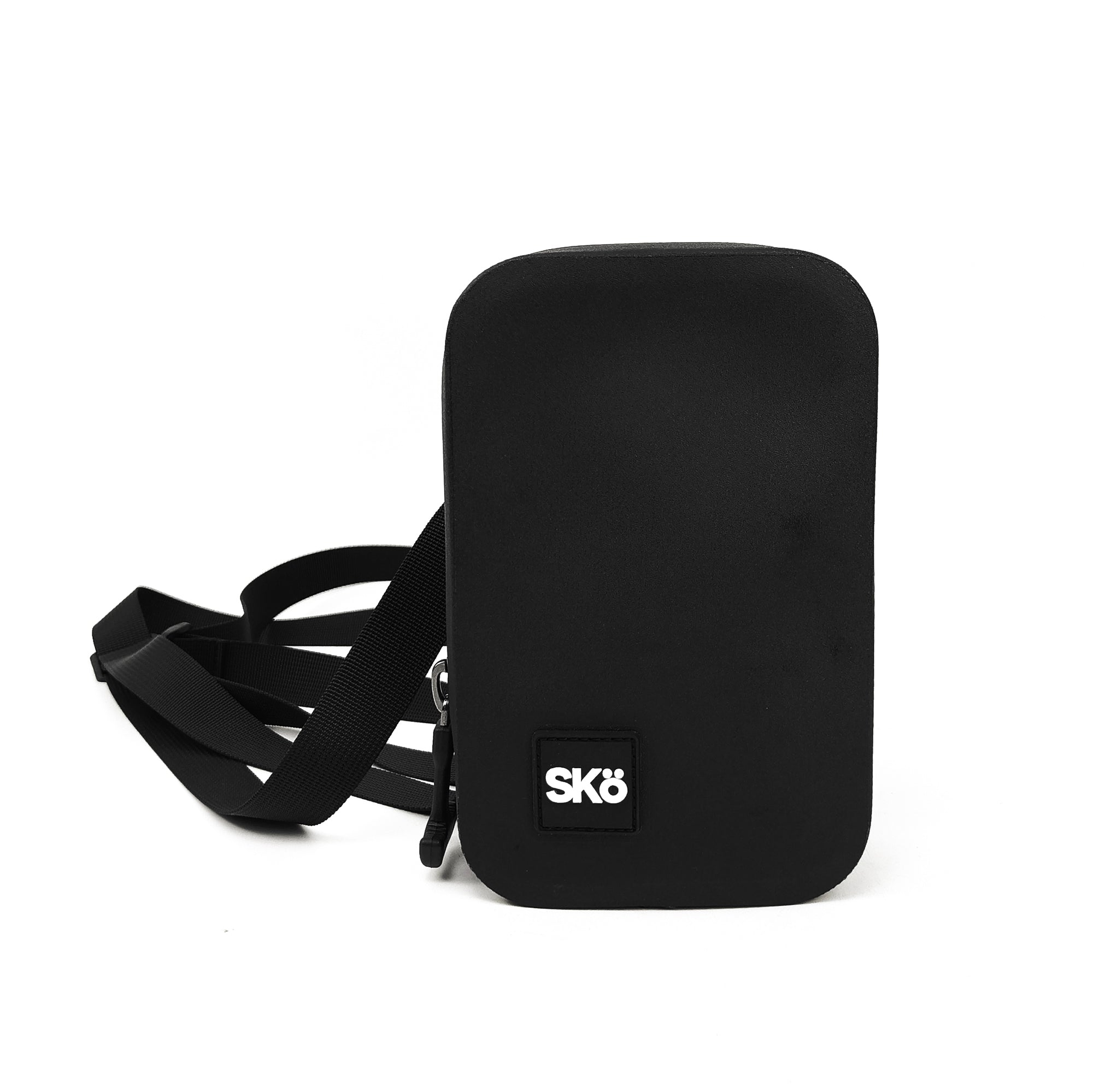
If you'd rather not think about zipper ratings at all, a bag built around a fully submersible main compartment — instead of relying on the zipper alone to do the sealing — takes that question off the table for everyday items like a phone, wallet, and keys.
$80 · Limited Lifetime Warranty