


Best Dry Bags for Travel
Five picks for very different travel jobs: organizing a carry-on, protecting clothes in a rainy destination, handling boat days and beach trips, and keeping truly high-consequence gear in a more serious sealed bag.
SKÖ Gear does not manufacture the primary dry bags ranked here. That matters. This guide recommends actual dry-bag specialists for the main category and positions SKÖ only for the separate small-valuables job: phone, passport, wallet and keys.
Most travelers need a packable dry bag, not an expedition bag.

Packable 70D roll-top dry bag with taped seams, 10,000 mm hydrostatic head and seven sizes.

300D PU-coated polyester, welded construction and 5–30 L sizing make it tougher than ultralight luggage organizers.

A compact 10.5 L ZipDry duffel with a published IP68 rating for trips where failure has a bigger consequence.
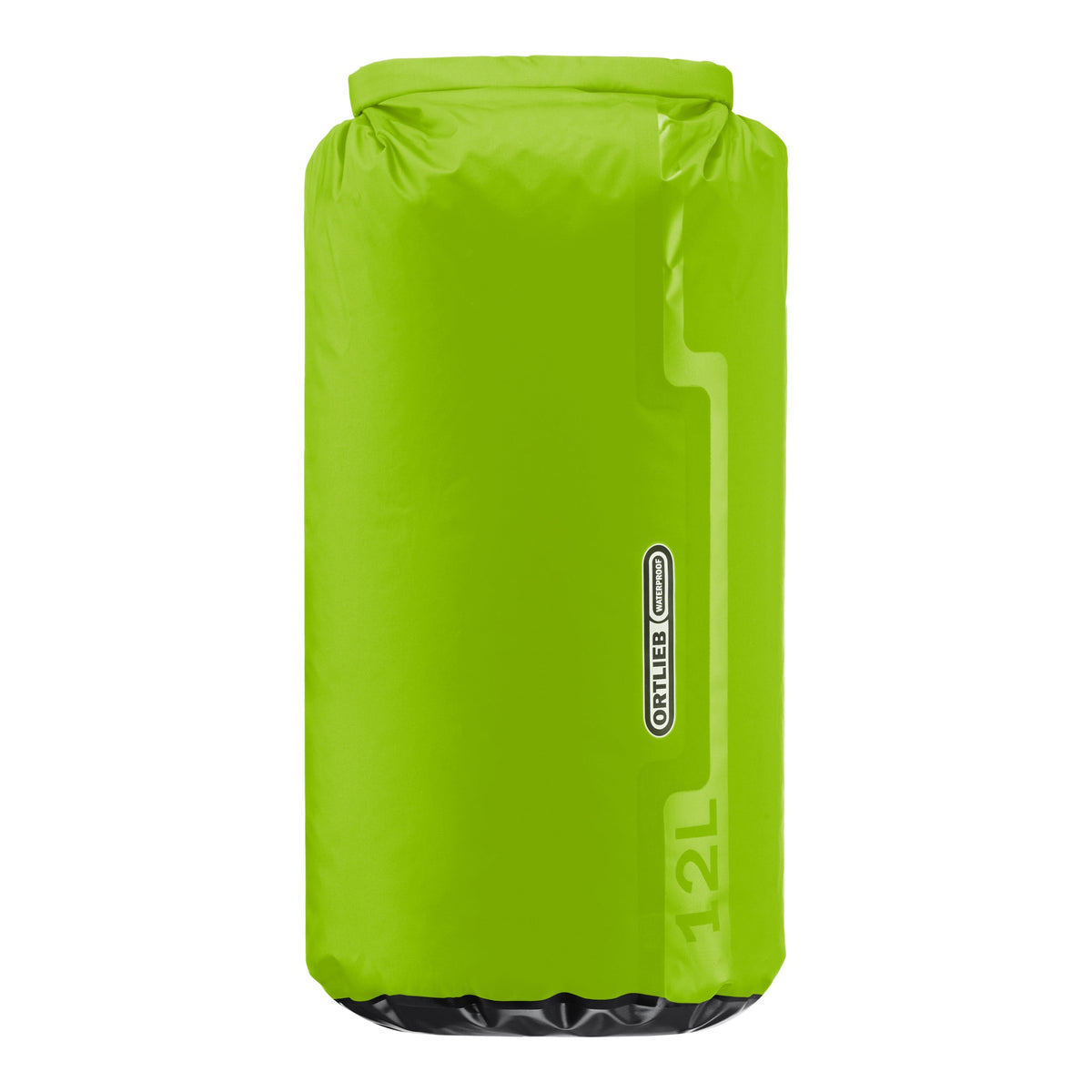
Very light IP64 roll-top storage intended mainly as an internal liner inside non-waterproof luggage.

420D nylon, multiple lash points and 5–65 L sizing for travelers who repeatedly cross into paddling and rough outdoor use.
Five travel dry bags, five different jobs.
A 2-ounce internal dry sack and a 1.5-pound submersible duffel should not be scored as if they solve the same problem. The useful comparison is protection level, packed weight, abrasion tolerance and where the bag will actually ride.
| Product | Best for | Sizes | Weight | Water claim | Construction | Main limitation |
|---|---|---|---|---|---|---|
| Sea to Summit LightweightPackable roll-top | Best overall travel | 1.5–35 L | 1.2–4.1 oz | 10,000 mm HH; avoid submersion | 70D nylon, taped seams | Not intended for prolonged underwater use |
| SealLine DiscoveryDurable roll-top | Wet-day durability | 5–30 L | 6.2 oz–1 lb 1 oz | Waterproof; not intended for prolonged submersion | 300D PU-coated polyester, welded seams | Heavier than ultralight travel sacks |
| Watershed OcoeeZipDry duffel | Compact submersible | 10.5 L | 1.5 lb | IP68 | ZipDry closure, duffel form | Heavy and expensive for simple luggage organization |
| ORTLIEB Dry-Bag LightInner-luggage dry sack | Ultralight internal use | 1.5–22 L | 1.1–3.7 oz | IP64; not for submersion | Ultralight nylon roll-top | Designed primarily as an internal liner |
| Sea to Summit Big RiverRugged roll-top | Outdoor crossover | 5–65 L | 4.8–15.3 oz | 10,000 mm HH; avoid submersion | 420D nylon, lash points | More bag than a basic city trip needs |
Manufacturer specifications checked October 11, 2026. “Waterproof” is not one universal test. Pay attention to whether a brand is describing fabric hydrostatic head, an IP rating, splash protection or actual immersion conditions.
Travel changes the priority order.
For travel, a dry bag has to earn the space it takes in your luggage. We rewarded bags that pack small, have clear manufacturer guidance and match a specific travel role instead of chasing the most extreme waterproof claim. Our adventure travel packing essentials checklist can help prioritize the gear you actually need to keep dry.
Packability first
A bag that lives folded inside a carry-on should not weigh like expedition luggage.
Water claim in context
Roll-top travel sacks and submersible duffels are separated instead of ranked on one scale.
Match abrasion to trip
Hotel-and-beach travel can use lighter fabric than motorcycle, kayak or boat travel.
Use primary specs
Manufacturer dimensions, materials, weight and closure guidance come first.
The same 13-liter bag can be brilliant or wrong depending on location.
Travel dry bags are easiest to choose when you picture the exact place they will spend most of the trip.
Use the dry bag as a waterproof packing cube for clothing, swimwear or toiletries.
Best fits: ORTLIEB Light / Sea to Summit LightweightRain, rough surfaces and repeated access justify thicker fabric and a more structured base.
Best fit: SealLine DiscoveryNow abrasion, lash points and a more rugged face fabric become useful.
Best fit: Big River / SealLineCameras, electronics and high-consequence gear may justify a dedicated submersible product rather than a general roll-top.
Best fit: Watershed OcoeeChoose by the last bulky item, not the trip length.
A beach afternoon can need more liters than a week of city travel. Build the item list first, then choose the smallest dry bag that closes correctly without being stuffed to the rim.
Useful inside larger luggage, not as the main wet-day bag.
Good for a short beach or boat day.
Strong one-bag travel size for day trips and rainy destinations.
Useful for longer outdoor days or as a large luggage liner.
Usually too much for ordinary sightseeing travel.
What each bag does better than the others.
A useful travel roundup should help you eliminate bags fast. Each pick below has one clear reason to buy it and one reason not to.
This is the bag we would tell most travelers to start with. It is light enough to disappear into luggage, tough enough for ordinary paddle-sports use, and available in enough sizes that you can use one for toiletries and another for a full clothing layer.
Buy it if
- You want one packable dry-bag family for most trips
- Weight matters
- You are organizing inside luggage or a daypack
Skip it if
- You expect repeated full submersion
- You need a highly abrasion-resistant expedition shell
- You want a zipper opening
Discovery makes more sense than ultralight nylon when the bag will be dragged through real wet-day travel instead of living protected inside a suitcase. SealLine uses welded construction and thicker 300D material, with sizes from 5 to 30 liters.
Buy it if
- You want a tougher external dry bag
- You do beaches, paddling or overland trips
- You prefer welded construction
Skip it if
- You want the lightest possible luggage organizer
- You need a published prolonged-submersion use case
- You only travel in cities and hotels
The Ocoee is overkill for organizing socks in a suitcase. That is exactly why it belongs here: it gives travelers a clear step-up when the trip includes camera gear, repeated boat use or other situations where a basic roll-top is not enough.
Buy it if
- Your gear is expensive or hard to replace
- You want compact submersible storage
- You will use the bag beyond airports
Skip it if
- Weight matters more than immersion protection
- You only need luggage organization
- You want the lowest-cost option
ORTLIEB explicitly frames Dry-Bag Light as an inner liner for non-waterproof backpacks and panniers. That makes it a strong travel organizer when your main goal is protecting clothing from rain or leaks inside larger luggage, not taking the bag underwater.
Buy it if
- You want minimal packed weight
- The bag lives inside larger luggage
- You use dry sacks like waterproof packing cubes
Skip it if
- You expect submersion
- The bag will sit on abrasive boat decks
- You want a rugged standalone dry bag
65 L model pictured. Available in smaller sizes.
Big River is the middle ground between ultralight travel sacks and heavy submersible duffels. It still rolls small enough to pack, but the 420D face fabric and lash points make it much more comfortable living outside a suitcase.
Buy it if
- Your travel regularly includes paddling or motorcycles
- You want lash points
- You need more abrasion resistance
Skip it if
- You only need a suitcase organizer
- You want a submersible zipper
- You are counting every ounce
The dry bag itself is usually not the issue. The contents are.
Travelers sometimes overthink whether TSA “allows dry bags.” A dry bag is just luggage. The rules that matter are about liquids, batteries, fuel, tools and other contents.
Keep power banks and spare lithium batteries where airline rules require them rather than burying them in checked luggage.
A dry bag does not bypass security limits. Toiletries still follow the applicable screening rules.
Use dry sacks as a second layer around clothing or gear that would be miserable to arrive wet.
The main dry bag and the valuables bag should do different jobs.
A roll-top dry bag is great for clothing and bulky gear. It is annoying when the thing you need every ten minutes is your passport or phone. For carrying regularly accessed essentials, compare hands-free travel bags, slings and belt bags rather than opening the big dry sack at every stop.
Clothes, towel, camera layer, wet gear
Choose one of the ranked dry bags above for the volume and exposure level your trip needs.
- Packable roll-top for luggage organization
- Rugged dry bag for beach/boat use
- Submersible option when the consequence is higher
Phone, passport, wallet, keys
The SKÖ Waterproof Crossbody is the complementary on-body layer when you want small essentials accessible instead of buried in a 13–20 L roll-top. For protecting those frequently used small items, see how to keep your phone and wallet dry while traveling.
- Use it for frequent-access valuables
- Do not treat it as bulk dry storage
- Keep the URL handle and product role honest
The travel dry-bag questions that change what you should buy.
What is the best dry bag for travel?
For most travelers, Sea to Summit Lightweight is our best overall pick because it is extremely packable, comes in many sizes and provides useful waterproof storage without taking over your luggage. Travelers who need a tougher external bag should look at SealLine Discovery or Big River; compact high-consequence gear can justify Watershed Ocoee.
What size dry bag is best for travel?
Roughly 10–13 liters is the most versatile single size for many trips. Smaller 1–8 L bags work well for toiletries and electronics, while 20 L and larger sizes make more sense for bulky clothing, beach gear or outdoor trips.
Can I bring a dry bag on a plane?
Yes. The bag itself is generally just luggage. Airport and airline restrictions apply to the contents, including liquids, batteries, fuel, tools and other regulated items.
Can a roll-top dry bag be submerged?
Do not assume so. Sea to Summit explicitly says its roll-top Lightweight and Big River bags should avoid submersion because water can seep through the roll-top closure. If submersion is part of the use case, choose a product with a manufacturer-stated immersion rating.
Is a dry bag better than a packing cube?
For ordinary organization, packing cubes are lighter and easier to access. A dry bag earns its place when you also need leak containment, rain protection or a bag that can leave the suitcase and go to the beach, boat or trail.
Should I use one large dry bag or several small ones?
Several small bags make it easier to separate wet clothes, electronics and clean clothing. One large bag is simpler when you are protecting one bulky category such as a sleeping bag or full change of clothes.


Pack the lightest protection that matches the consequence.
For clothes inside luggage, a light roll-top is enough. For repeated wet days, step up durability. For expensive gear and meaningful immersion risk, step up the seal. Then keep passport and phone in a separate small layer you can actually reach.