


Adventure Travel Essentials: What to Actually Pack
Adventure Travel Essentials: What to Actually Pack
Last updated: September 25, 2026

Most packing lists focus on clothes. The stuff that actually ruins a trip is smaller than that.
The adventure travel essentials that actually matter fall into four categories: travel documents and backup payment, power and connectivity, weather and health protection, and a way to keep all of it dry, organized, and on your body instead of buried in a duffel. Everything else on a typical packing list is a preference, not a necessity.
That distinction matters because the two kinds of packing failures aren't equal. A wrinkled shirt or a forgotten travel pillow is an inconvenience. A dead phone at a border crossing, a passport left in a hotel safe two cities back, or a soaked charging cable on day three of a trek is the kind of failure that actually reroutes a trip. Experienced travelers pack around the second kind of failure first, then fill in comfort items with whatever space is left.
In practice, that means treating documents, meds, and power as one protected, always-with-you kit rather than items scattered across a suitcase; checking a real forecast — not a 10-day app guess — before you commit to gear; and knowing the actual rules for what you can carry on, since a bag pulled aside at security costs more time than almost anything else on this list.
What are the essential things to pack for adventure travel?
The essentials are travel documents (with copies), a backup payment method, a portable charger and the right cables, any prescription medication in original packaging, weather-appropriate layers, and a way to keep documents and electronics dry and on your person. TSA's 3-1-1 rule caps carry-on liquids at 3.4 oz per container, so plan toiletries around that limit rather than discovering it at the checkpoint.
The Packing List That Covers the Actual Failure Points
This isn't a full clothing list — it's the subset of items that, if forgotten or damaged, genuinely change the trip:
- Passport or ID, plus a photographed or physically photocopied backup stored separately from the original
- One backup payment method that isn't tied to your primary bank (a second card or a small cash reserve in a different currency)
- Prescription medication in original labeled packaging, packed in your carry-on, not checked luggage
- A portable charger (10,000mAh minimum for a full phone charge or two) plus the actual cables your devices use, not assumed-compatible ones
- A universal plug adapter if you're crossing into a different outlet standard
- Offline maps and any reservation confirmations downloaded before you lose signal
- Weather layers based on an actual point forecast, not the seasonal average for the region
- A basic first-aid kit: blister care, any personal allergy medication, and water purification tablets if you'll be off municipal water
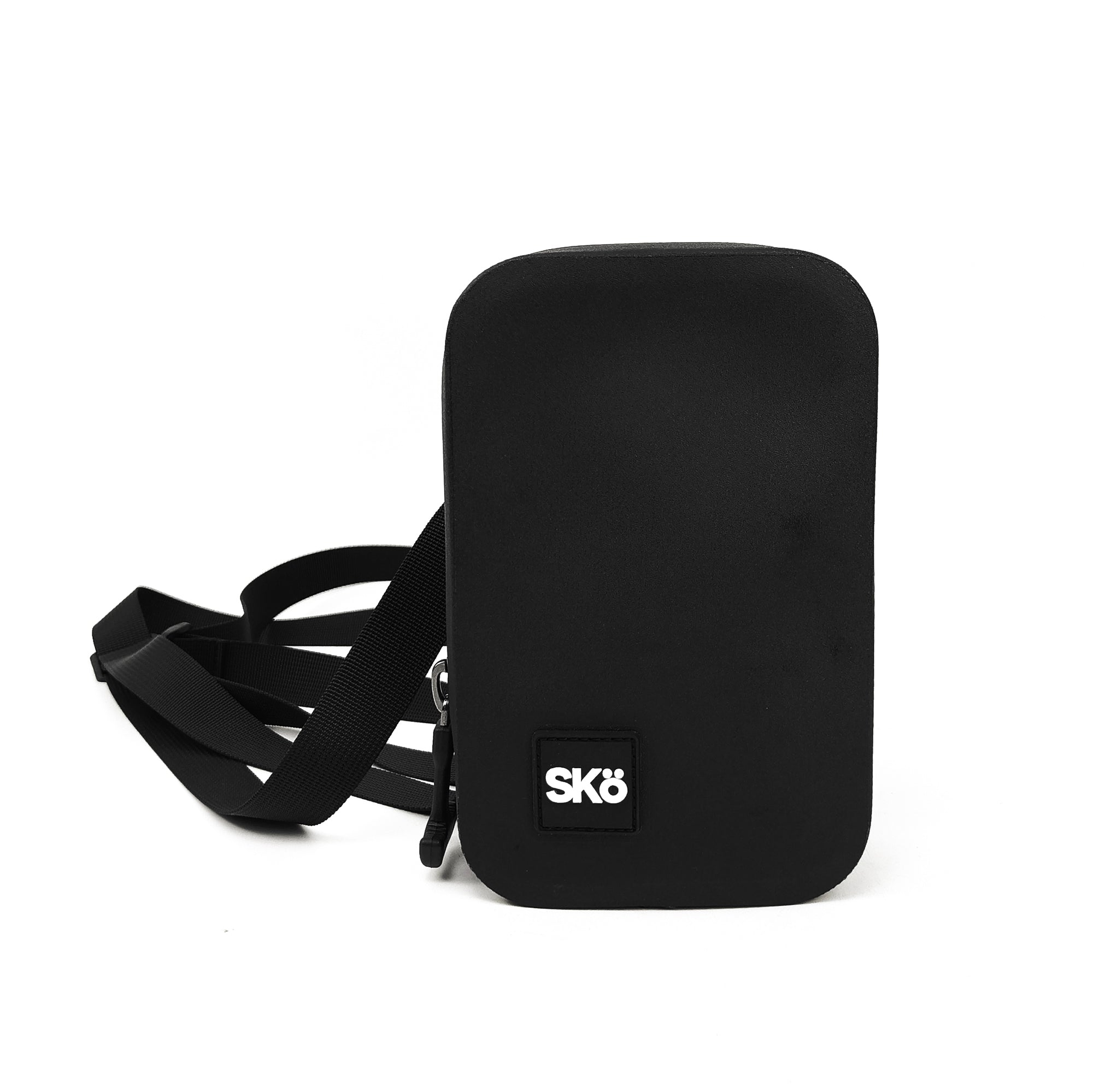
This is also where a lot of packing lists quietly fall apart: they tell you what to bring but not how to protect it once it's in the bag. A spilled water bottle, an afternoon thunderstorm, or a boat transfer between islands can turn a "we packed the right things" trip into a "the passport is soaked" trip in about five minutes. If you're deciding between a full dry bag and something smaller you'd actually wear all day for just documents, phone, and cash, this breakdown of waterproof crossbody options covers the tradeoffs, and skogear.com's full waterproof bag lineup is organized by activity if you want to compare by use case.
On multi-leg trips — flight, then bus, then a multi-day trek or a few island hops — the point where plans actually break is the transit in between, not the destination. A dead phone at a layover, a soaked charging cable, or a passport buried at the bottom of a duffel costs more real time than bad weather almost ever does. Keeping the handful of items you'd genuinely panic without in one accessible, protected spot changes the whole trip's risk profile more than any single piece of gear on the rest of the list.
How far ahead should I check the weather before an adventure trip?
Forecast accuracy drops off fast past about 7–10 days, so treat anything further out as a rough seasonal guide, not a packing decision. Check a specific point forecast for your destination through the National Weather Service in the 3–5 days before departure, and again the morning you leave if conditions are borderline.
What travel documents should I bring copies of?
Photocopy or photograph your passport's photo page, any visas, travel insurance card, and reservation confirmations. Keep one physical copy separate from the original and store a digital copy in cloud storage you can access without your primary phone, in case that's the thing that gets lost or damaged.
Sources
If the piece of this framework that actually worries you is keeping your phone, cash, and passport dry and on your body instead of buried in a bag, a waterproof crossbody solves just that part without adding another thing to carry.
$80 · Limited Lifetime Warranty