

Why Is My Waterproof Zipper Hard to Open?
A waterproof zipper is supposed to feel firmer than an ordinary zipper. But grinding, sudden binding or a slider that refuses to move usually means it is time to stop pulling and inspect the closure.
Some extra resistance is normal because a water-protective zipper has to maintain a sealing interface. If the pull suddenly gets much harder, stop forcing it. Check for sand, salt or dirt, clean the zipper with the method approved by the manufacturer, let it dry, then lubricate only the locations and materials specified for that exact zipper model.
A firm pull can be normal. Grinding and binding are not.
The mistake is comparing a sealing zipper to the zipper on a sweatshirt. Ordinary apparel zippers are optimized for easy opening and closing. Waterproof and airtight closures have a different job: they have to bring sealing surfaces together tightly enough to resist water or air.
TIZIP, one of the best-known manufacturers of waterproof and airtight zippers, explicitly notes that care, cleaning, storage and model-specific lubrication are part of keeping these systems operating correctly. Dirt between the teeth or coils can compromise sealing performance, and some models require lubrication in specific places.
So the useful question is not simply, “Is it harder than a normal zipper?” It is: Does the resistance feel smooth and consistent, or rough, sudden and localized?
Five different problems can all feel like “the zipper is stuck.”
Seal friction
A consistent, firm pull from end to end can simply be the sealing system doing its job.
Sand, salt or dirt
Particles in the zipper path increase friction and can interfere with the sealing surfaces.
Dry contact areas
Some sealing zipper models need lubricant at the chain, coating or docking end to move smoothly.
Pulling at an angle
Side-loading the slider can increase resistance. TIZIP tells users to operate the slider gently and avoid pulling at an angle.
Deformation or wear
A bent slider, damaged end piece, delamination or distorted chain is a repair issue, not a lubrication issue.
Pay attention to the feel, not just the force.
Consistent resistance through the whole pull.
Gritty feel, new stiffness, one area harder than the rest.
Slider will not move, track looks twisted, or material is separating.
A brand-new waterproof zipper may also loosen slightly as it is used and maintained, but do not try to “break it in” by repeatedly yanking on a stuck section.
Clean first. Lubricate second. Force never.
Stop when the slider binds.
If the zipper suddenly catches, do not add more force. TIZIP warns against operating sealing zippers aggressively and recommends keeping them clean so debris does not damage the sealing system.
Inspect the entire track and docking end.
Look for sand, salt crystals, sunscreen, hair, fabric, bent areas or debris trapped between the teeth, coils or sealing surfaces.
Clean with the approved method.
TIZIP recommends a fine brush, mild detergent and water for cleaning. It specifically says not to use solvents or abrasives because they can compromise function.
Dry the zipper completely.
Water trapped around the tape, coating or end pieces is not good long-term storage. TIZIP advises keeping the zipper clean and dry and drying both sides before storage.
Lubricate the exact areas your model requires.
This is where generic advice becomes risky. Some TIZIP models call for lubricant on the chain and docking end, while others specifically say not to lubricate the chain. Use the zipper or bag manufacturer's instructions.
Operate the slider straight and gently.
Pull in line with the zipper instead of sideways. If the slider still binds after cleaning and correct lubrication, stop and inspect for structural damage.
Even one manufacturer has different lubrication instructions by model.
This is the strongest reason not to apply a one-size-fits-all maintenance rule to every waterproof zipper.
TIZIP says the docking end of MasterSeal zippers should be lubricated from time to time after extended storage. It specifically says not to lubricate the zipper chain because lubricant can attract dirt and debris.
TIZIP says SuperSeal zippers require lubrication of the TPU coating along the chain and at the docking end for optimal operation, followed by repeated opening and closing to distribute the lubricant.
TIZIP's WaterSeal guidance calls for lubricant around the docking end and the transition to the zipper chain, and its current instructions also specify lubricant along the chain.
Keep the cleaning routine simple.
Use
- Fresh water
- Mild detergent when the manufacturer allows it
- Fine or soft brush for debris
- Soft cloth for wiping residue
- Original or manufacturer-approved zipper lubricant
- Gentle straight-line slider movement
Avoid
- Solvents or aggressive cleaners
- Abrasive scrubbing
- Forcing the slider through sand or grit
- Pulling the slider sharply sideways
- Folding or crushing the zipper during storage
- Assuming one lubricant method fits every zipper
Rinse before the salt dries into the closure.
Saltwater leaves mineral residue behind as it dries, and sand often arrives with it. If the zipper was used at the ocean, rinse the closure with fresh water before storage and remove visible grit before you operate or lubricate it.
For the deeper marine-care explanation, read Why Does Saltwater Corrode Zippers?
These are repair signs, not “pull harder” signs.
Bent or damaged slider
If the slider is visibly deformed or no longer tracks straight, lubricant will not restore its geometry.
Delamination or cracking
Separation between zipper coating, tape or adjacent material can compromise both operation and water protection.
Damaged docking end
If the end that completes the seal is distorted or no longer seats correctly, the closure may not achieve its intended tightness.
One permanent hard spot
A repeatable bind in the same place after cleaning and correct lubrication can indicate deformation, damaged teeth or damaged sealing surfaces. Before trusting that bag with electronics, review when to repair or replace a dry bag.
Clean, dry and uncrushed.
Waterproof zipper storage checklist
Waterproof zipper questions.
Is it normal for a waterproof zipper to feel harder to open than a normal zipper?
Yes. A sealing zipper can require noticeably more force than an ordinary apparel zipper. The concern is not simply “firm.” It is a new gritty feel, sudden binding, a slider that will not move or visible structural damage.
What should I do first when a waterproof zipper gets stiff?
Stop forcing it and inspect for debris. Clean it using the zipper manufacturer's approved method, dry it fully and only then apply the correct lubricant in the correct location if that model requires lubrication.
Can I use WD-40 or another household spray?
Do not assume a general-purpose spray is compatible with a waterproof zipper. TIZIP tells users to use original TIZIP lubricant or a comparable product where lubrication is required and warns against solvents and aggressive cleaners. Follow the instructions for your zipper.
Should I lubricate the entire zipper chain?
Not always. TIZIP MasterSeal guidance says not to lubricate the chain, while SuperSeal and WaterSeal instructions call for lubrication in different areas. Identify the zipper model before applying anything.
Why does my waterproof zipper get stiff after the ocean?
Salt residue and sand can raise friction around the slider and sealing surfaces. Rinse with fresh water after salt exposure and remove contamination before the zipper is stored.


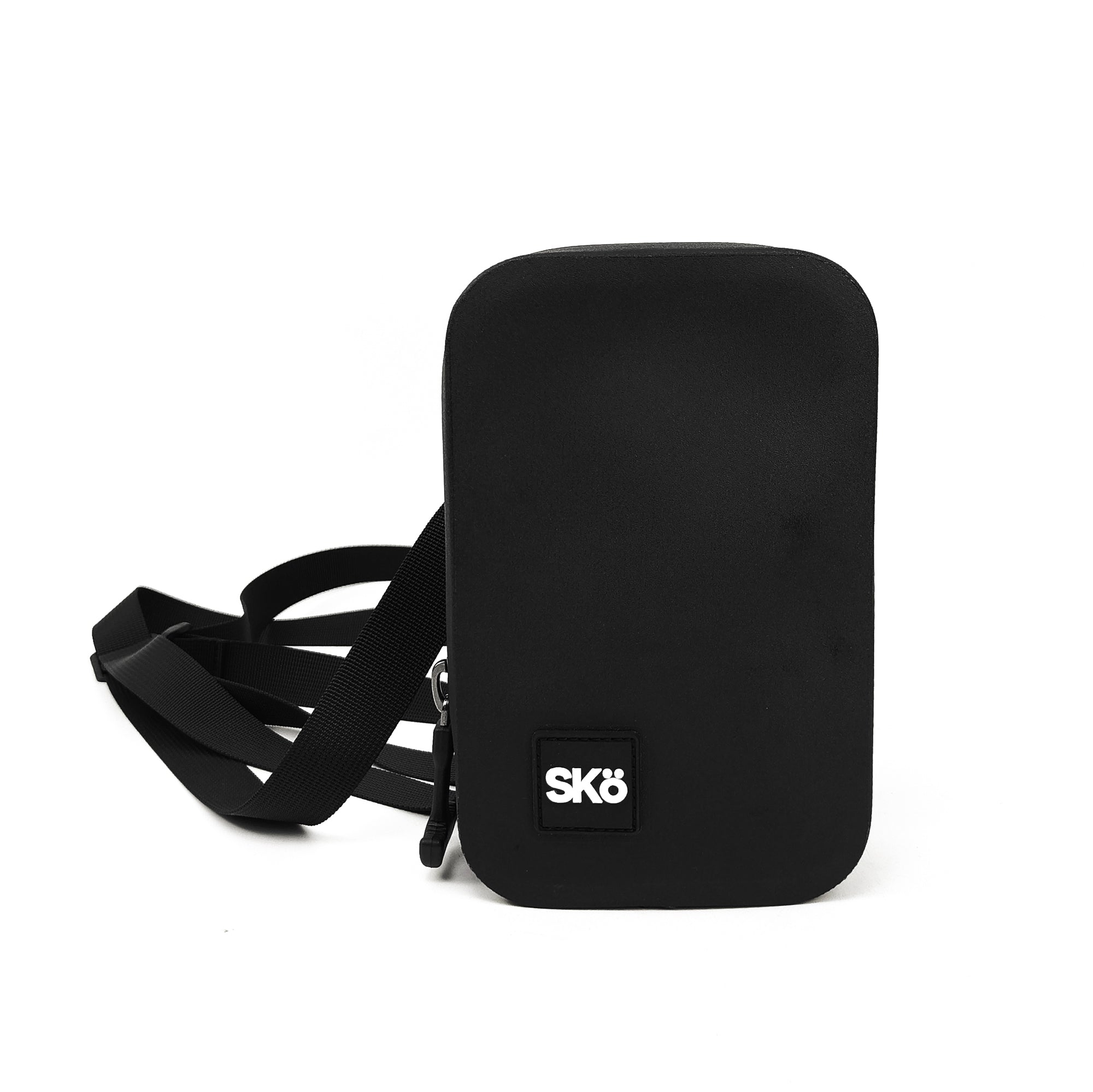
The SKÖ Crossbody uses a waterproof zipper, so maintenance matters.
The SKÖ Waterproof Crossbody is not zipper-free. It uses a waterproof zipper as part of the bag's protection system. SKÖ publishes an IPX8 rating and describes the bag as waterproof and submersible when the zipper is fully and properly closed.
A firmer pull is normal for a sealing zipper. Keep grit out of the closure, rinse after salt or sand exposure, and use the included zipper lubricant as directed when the zipper needs maintenance.
Explore more SKÖ guides
Keep waterproof closures working properly with practical zipper care and maintenance.
 How to Clean a Waterproof TPU Bag Without Ruining It
 Roll-Top vs. Waterproof Zipper: Which Dry Bag Closure Wins?
 How Long Do Dry Bags Last? Signs to Repair or Replace