


Best Hands-Free Travel Bags Crossbody vs Sling vs Belt Bag
The best travel bag changes when your load changes. We compare four hands-free formats by airport access, crowded transit, all-day comfort, personal-item use and weather exposure.
Choose the smallest format that carries the day without fighting you.

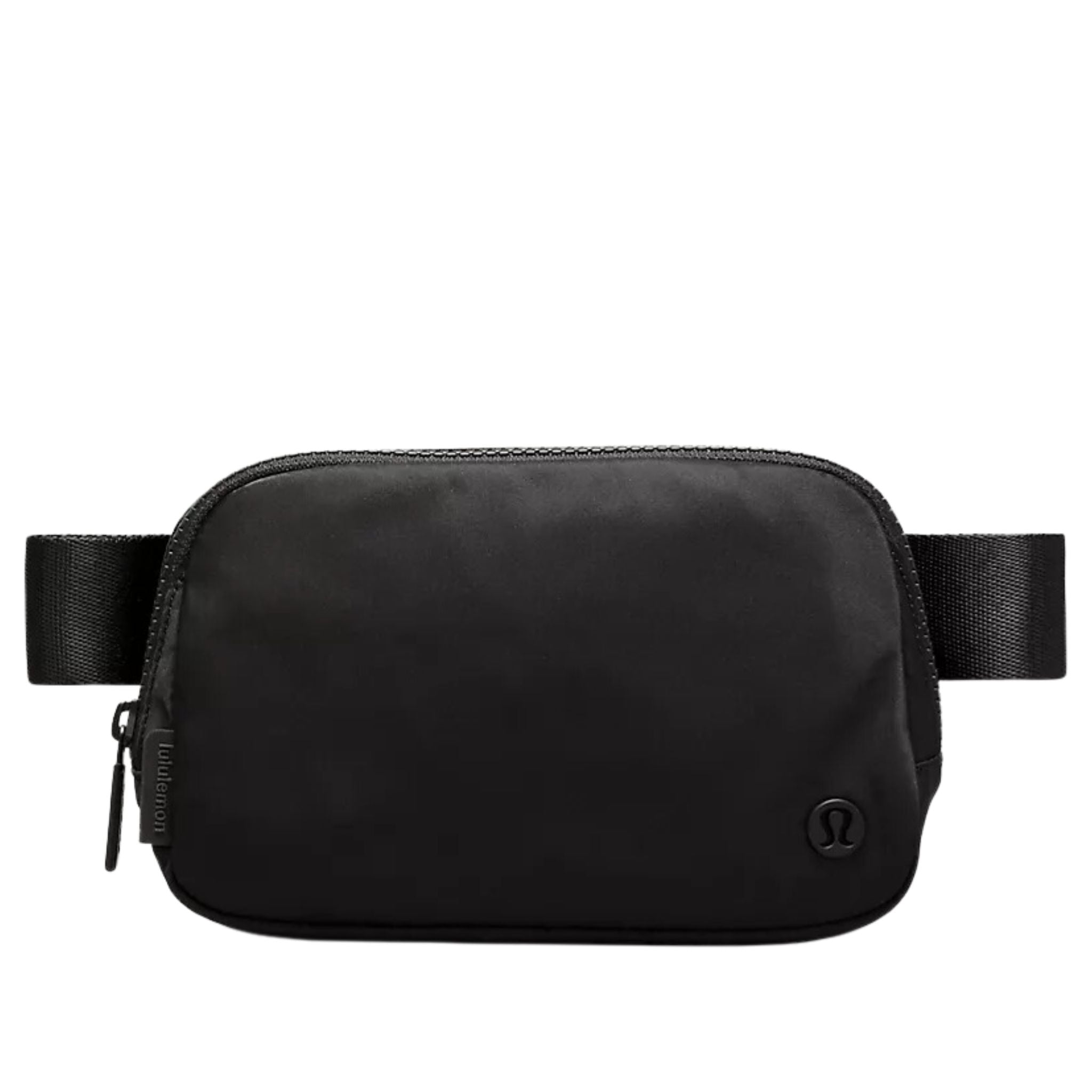
Fast passport access, hands-free carry and enough room for the core essentials.
Stays close to the body and moves less when walking through airports or cities.
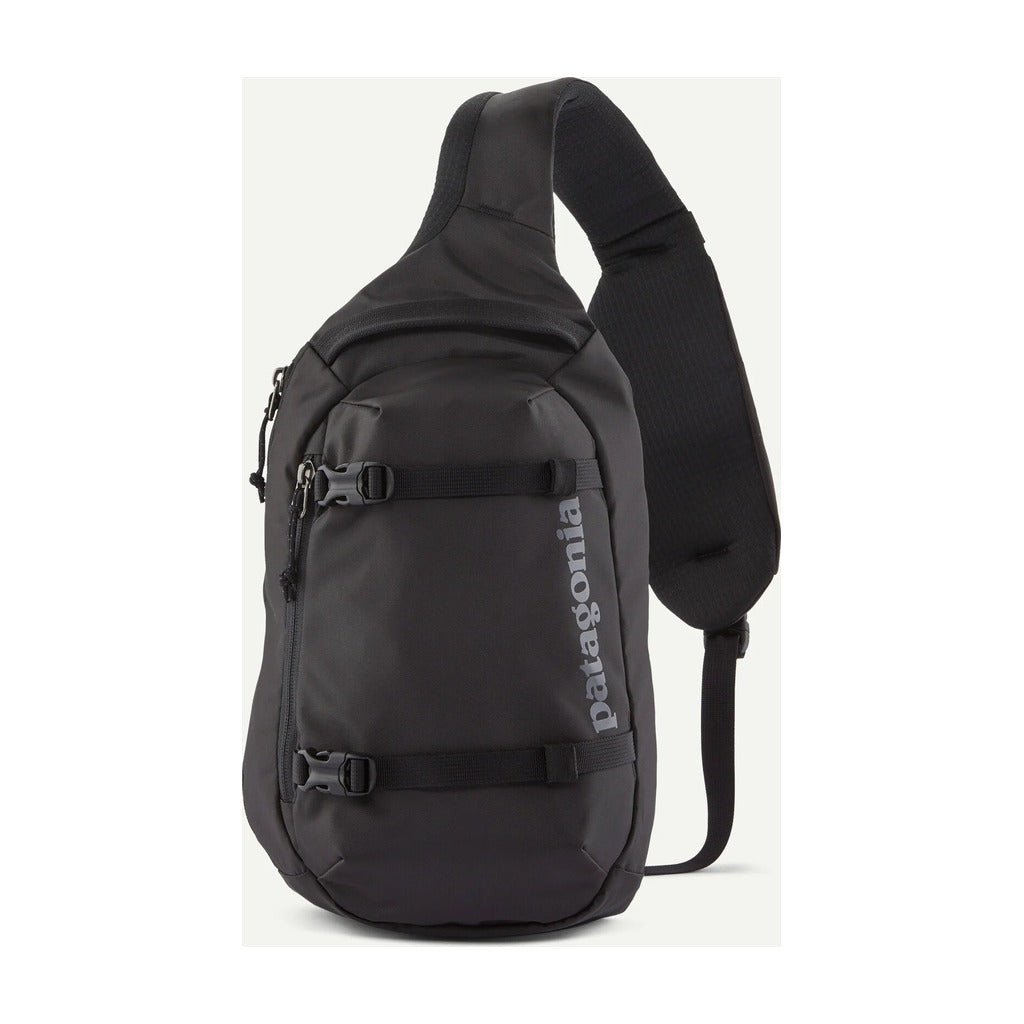
More room than a belt bag without jumping to two shoulder straps.
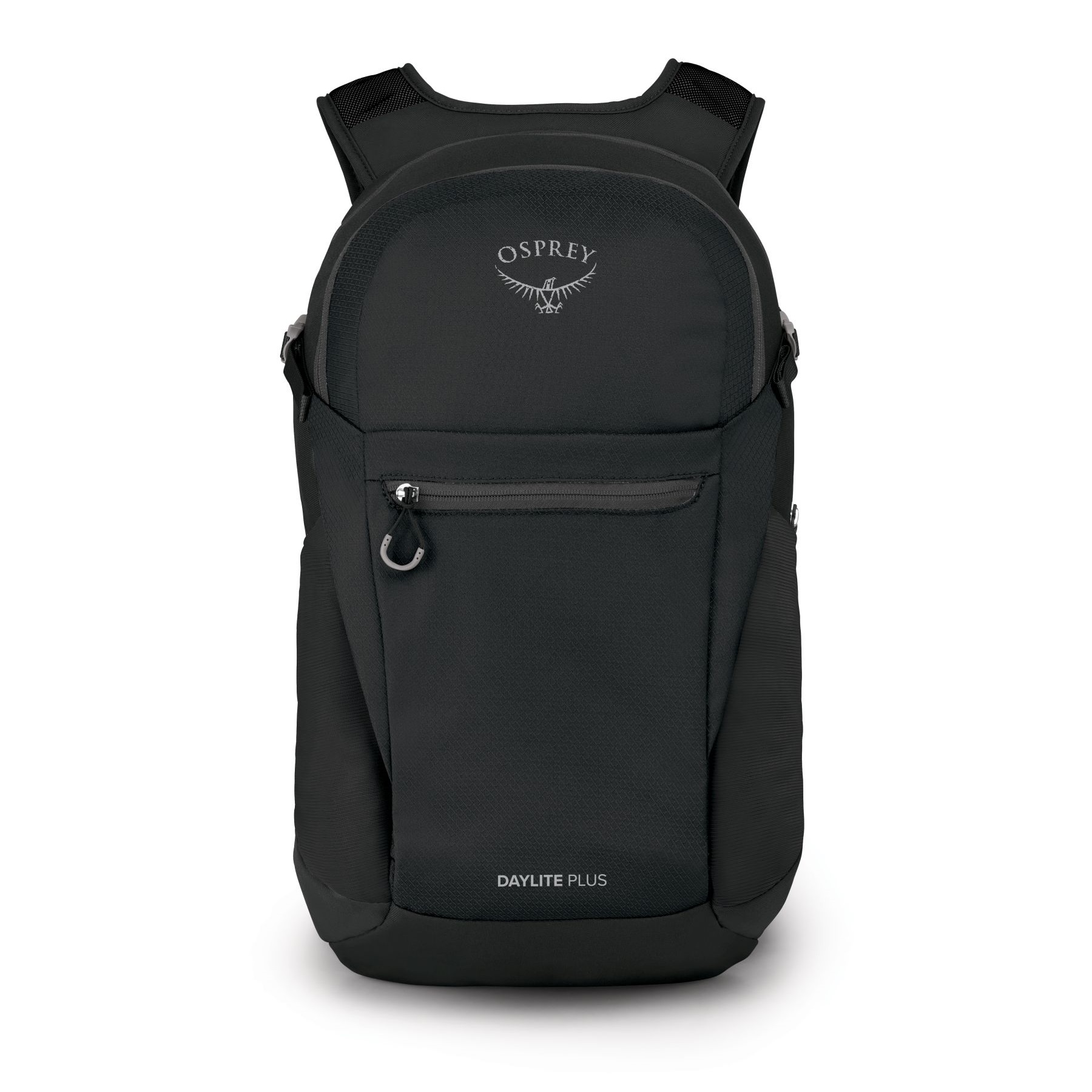
Water, jacket, food and camera weight are easier to carry on two shoulders.
One bag has to survive four very different moments.
The best hands-free travel bag is not just comfortable on a sidewalk. It should make security, transit and sightseeing easier too.
Passport, ID, phone and wallet should live in one predictable place while your larger bag is open and moving through bins.
Best: crossbody / belt bagKeep irreplaceable essentials with you even if your roller bag gets gate-checked.
Best: crossbody / slingA front-worn small bag is easier to monitor than a backpack behind you.
Best: crossbody / belt bagOnce you add water, jacket, lunch or camera, comfort starts favoring a sling or daypack.
Best: sling / daypackThe fifth item decides the format.
Phone, passport, wallet and key fit almost anywhere. The fifth item tells you whether to stay compact or size up. For day-trip capacity decisions, use our day-trip bag sizing guide before moving from a crossbody to a sling or backpack.
Phone, wallet, key, passport, earbuds.
Typical range: roughly 1 LStill light, but you need usable organization.
Typical range: 2–5 LNow shoulder comfort and load shape matter.
Typical range: 5–10 LTwo shoulder straps become the more comfortable tool.
Typical range: 10–20 L+Four travel-bag formats, compared by the job.
This table keeps a one-liter belt bag from pretending it is a thirteen-liter daypack.
| Format | Best load | Airport access | Crowded transit | All-day comfort | Wet-weather potential |
|---|---|---|---|---|---|
| Crossbody | Core valuables | Excellent | Excellent when front-worn | Good for light loads | Excellent if purpose-built waterproof |
| Belt bag | Minimal essentials | Excellent | Excellent | Excellent at low weight | Varies; waterproof models exist |
| Sling | Mid-size day load | Very good | Good if rotated forward | Good until weight climbs | Usually water-resistant, not immersion-rated |
| Daypack | Water + layer + camera | Good | Harder to monitor behind you | Best for heavier loads | Use rain cover / liner / dry bags as needed |
Choose waterproofing for the trip, not the label.
Most city trips do not need immersion protection. For rainy cities, beach days and boat excursions, a truly waterproof valuables layer can make a meaningful difference.
One small bag.
More travel conditions.
The same compact carry you use for passport, phone and wallet in the airport can become your valuables layer for wet days later in the trip.
Explore SKÖ crossbody →Prioritize comfort.
Weight, convenient access and organization usually matter more than an immersion rating.
Water resistance may be enoughStep up the seal.
Frequent downpours make sealed materials and closures more valuable for passports and electronics.
Waterproof valuables carry helpsKeep essentials separate.
A purpose-built waterproof crossbody can keep small valuables accessible while a larger bag handles towels and clothes. If you only need to protect the phone, our waterproof crossbody versus phone pouch guide helps avoid buying a larger bag unnecessarily.
Match actual immersion conditionsSplit the load.
Carry small valuables in the crossbody and use a sling or daypack for water, layers and food.
Two bags, two distinct jobsHands-free travel bag questions.
What is the best hands-free bag for travel?
For passport, phone, wallet and key, a small crossbody is the best default. A belt bag is even smaller, a sling is better for a 5–10 liter day load, and a daypack is better when you add water, jacket, lunch or camera gear. For more everyday options, compare our best crossbody bags roundup.
Is a sling or crossbody better for travel?
Crossbodies are better for small valuables and quick front access. Slings carry more and can handle a small camera, sunglasses or bottle, but one-shoulder comfort can decline as the load gets heavier.
Is a belt bag safer in crowded cities?
Any bag is easier to monitor when worn in front and kept closed. A compact belt bag or crossbody can reduce the need to reach into a backpack behind you, but situational awareness still matters.
Can a small crossbody count as an airline personal item?
It is usually far smaller than most personal-item limits. Airline rules vary, so check the carrier’s current dimensions. Many travelers use the crossbody as an organizer inside or alongside the main personal item.
Do I need a waterproof travel bag?
Only if the itinerary justifies it. If your trip includes heavy rain, beach, boating or waterfall days, waterproof protection for passport and phone is genuinely useful. For waterfall trails specifically, see our waterfall hike packing and waterproofing guide. For dry urban travel, access and comfort may matter more.


Carry the day, not the “just in case” version of the day.
Start with the core valuables. Let the fifth item decide whether you stay with a crossbody or graduate to a sling or daypack.