
What to Pack for a Snorkeling Trip
The best snorkeling bag is not the one with the most gear. It is the one that solves fit, sun, water, valuables and the trip back to shore before you ever put your face in the water.
Bring a well-fitting mask and snorkel, fins or rental confirmation, UPF sun protection plus water-resistant sunscreen, water, a towel and dry clothes, footwear for the entry point, and a secure plan for your phone, ID, wallet and room key. Add motion-sickness preparation for boat trips and check local water conditions before entering.
Most snorkeling-day problems happen before the snorkeling starts.
A leaking mask, bare feet on a rough entry, no plan for your phone, sunburn after an hour face-down at the surface, or a boat ride that makes you sick can ruin a reef stop faster than almost anything underwater.
The good news is that a snorkeling day is easy to pack for once you separate it into a few jobs: gear that helps you swim comfortably, protection from sun and conditions, dry storage for valuables, and the things you need once you get out. For more on this specific choice, see beach day essentials checklist.
You do not need to own every piece of snorkeling equipment. You do need to know what is worth bringing yourself and what can reasonably be rented.
A beach entry, boat tour and cruise excursion are three different packing problems.
You control the setup.
Bring better footwear, secure your valuables before entering, and plan around the walk from the car or hotel to the water.
Space gets tighter.
Keep the bag compact. Confirm what equipment the operator provides, protect valuables from spray, and plan for motion sickness if it is a known issue.
Documents matter more.
In addition to swim gear, you may need ID, cruise card, cash and transportation items kept organized and dry while moving between ship, shuttle, beach and boat. For the full ship-to-shore checklist, see our cruise excursion packing list. To compare storage options for the water portion, see waterproof bags for snorkeling and beach excursions.
What to actually bring.
🤿 In-water gear
- Mask that seals comfortably to your face
- Snorkel you know how to clear and use
- Fins, or confirmation that your operator supplies them
- Optional snorkel vest or flotation device when appropriate
☀️ Sun protection
- UPF rash guard or sun shirt
- Broad-spectrum, water-resistant sunscreen
- Hat and sunglasses for time out of the water
- Shade plan for long beach waits
📱 Valuables
- Phone in appropriate waterproof storage
- ID, wallet, cruise card or room key
- Small cash when tips or rentals may be needed
- Compact power bank for long excursion days
🧺 After the swim
- Towel
- Dry shirt and shorts or cover-up
- Dry underwear and socks if needed
- Separate bag for wet swimwear; if you use a wetsuit, follow wetsuit rinsing and odor-prevention guidance after the trip
If you own one piece of snorkel gear, make it a mask that fits.
Rental gear can be perfectly usable, but a poor mask fit is one of the fastest ways to spend the entire swim clearing water instead of looking at the reef. Your mask should feel comfortable around the skirt, sit evenly against the face and maintain a seal without needing the strap cranked painfully tight.
Hair, facial hair or a folded silicone edge can break the seal and cause constant leaks.
A strap that is painfully tight can distort the skirt instead of improving the seal.
Do not discover on the excursion boat that the mask pinches, leaks or fogs constantly.
Fins are easier to rent than a perfect mask.
For an occasional trip, rental fins can save suitcase space. If you already own comfortable fins and the trip is built around snorkeling, bringing them can be worthwhile. For shore entries, booties or water shoes may matter just as much as the fins themselves. If snorkeling is one stop on a longer beach trip, our guide to packing light for a beach vacation can help keep the rest of your luggage manageable.
When you snorkel, your back becomes the roof.
Face-down swimming leaves the back of your neck, shoulders, back and legs exposed for long stretches. Build your sun protection around coverage first, then use sunscreen on exposed skin according to the product label.
A long-sleeve rash guard reduces how much skin depends on sunscreen while you are in the water.
FDA labeling distinguishes products tested for 40 or 80 minutes of water resistance. Follow the exact reapplication directions.
NOAA notes that certain UV-filter chemicals can affect corals and other aquatic life. Mineral formulas and UPF clothing can reduce reliance on those filters.
Boat rides, beach waits and lunch stops add more UV exposure after the snorkeling portion is over.
Decide where the valuables go before everyone walks into the water.
This is the logistics problem that catches groups by surprise. A public beach does not automatically give you a secure place for phones and wallets, and a small tour boat may have limited protected storage. Decide whether those items are staying onshore, staying on the boat, or going into the water with you. For more on this specific choice, see guide to keeping valuables safe at the beach.
If the valuables go in the water
- Use storage specifically designed for submersion, not merely splash resistance.
- Close the waterproof zipper or seal completely before entering.
- Keep the bag attached to your body rather than loose.
- Do not assume an IP rating equals an unlimited depth or scuba rating.
If the valuables stay out
- Use secure operator storage when available.
- Avoid leaving phones and wallets visible on an unattended towel.
- Keep all documents together so they are not moved between beach pockets.
- Protect gear from spray even when it never goes underwater.
For the difference between rain protection and real submersion protection, see Waterproof vs. Water-Resistant: What's the Actual Difference?
Read the water, not just the packing list.
The CDC advises travelers to research local conditions, currents and rules before water activities, pay attention to beach flags, and follow local instructors and officials. It also recommends not swimming alone in unfamiliar water. For broader water-condition awareness and buddy-system planning, see our open-water swimming safety essentials.
Look at the local forecast and beach warnings.
Great weather does not automatically mean safe water. Rip currents and rough surf can exist on otherwise beautiful days.
Ask the lifeguard, guide or boat crew.
They know the entry, current, reef layout, marine-life concerns and local rules better than a generic travel guide does.
Do not snorkel alone in unfamiliar water.
A buddy is useful for gear issues, fatigue, cramps, current changes and simply making sure someone notices when something is wrong.
Do not fight directly against it.
NWS guidance says to stay calm, avoid swimming straight against the current, and escape by moving along the shoreline or toward breaking waves when possible. If you cannot escape, float or tread water and signal for help.
The comfort gear is boring until you forgot it.
Bring enough water for the whole excursion.
Heat, sun, travel time and boat rides all add to the day. Do not rely on there being a store at the entry point.
Pack for the walk into the water.
Hot sand, rocks, boat decks and rough shoreline entries can be more uncomfortable than the swim itself.
Plan before a boat trip.
If you are prone to motion sickness, follow your usual medically appropriate prevention plan before boarding rather than waiting until you feel sick.
Bring something dry to put on afterward.
A shirt, shorts or cover-up makes the shuttle, lunch stop or ride back much more comfortable than sitting in wet swimwear.
Snorkeling trip packing checklist.
Snorkeling trip questions.
Should I bring my own snorkel gear or rent it?
Rental equipment is reasonable for an occasional trip, especially fins. If you snorkel regularly, owning a mask that fits your face well can improve comfort and reduce leaking. Confirm what the tour operator includes before packing bulky gear.
What is the safest way to carry a phone while snorkeling?
If the phone is entering the water, use a product specifically designed for submersion and close it exactly as directed. If the phone stays onshore or on the boat, use secure storage rather than leaving it unattended and visible.
Do I need reef-safe sunscreen?
“Reef-safe” language can vary by brand and destination. NOAA says some UV-filter chemicals can harm aquatic organisms and notes mineral sunscreen and UPF clothing as options with fewer effects on marine life. Check local destination rules and the active ingredients on the product.
How often should I reapply sunscreen while snorkeling?
Follow the label. In the U.S., water-resistant sunscreen is labeled for either 40 or 80 minutes in water, and FDA directions call for reapplication after that swimming time, immediately after towel drying, and at least every two hours.
What should I wear on my feet for shore snorkeling?
That depends on the entry. Water shoes or booties can help on hot sand, rocks and rough shorelines, while some guided beaches have easy sandy entries where sandals are enough. Follow local rules and avoid stepping on coral.
Make your next beach trip easier
Get the most from snorkeling days while protecting your small essentials.


A dry zone you can keep on your body.
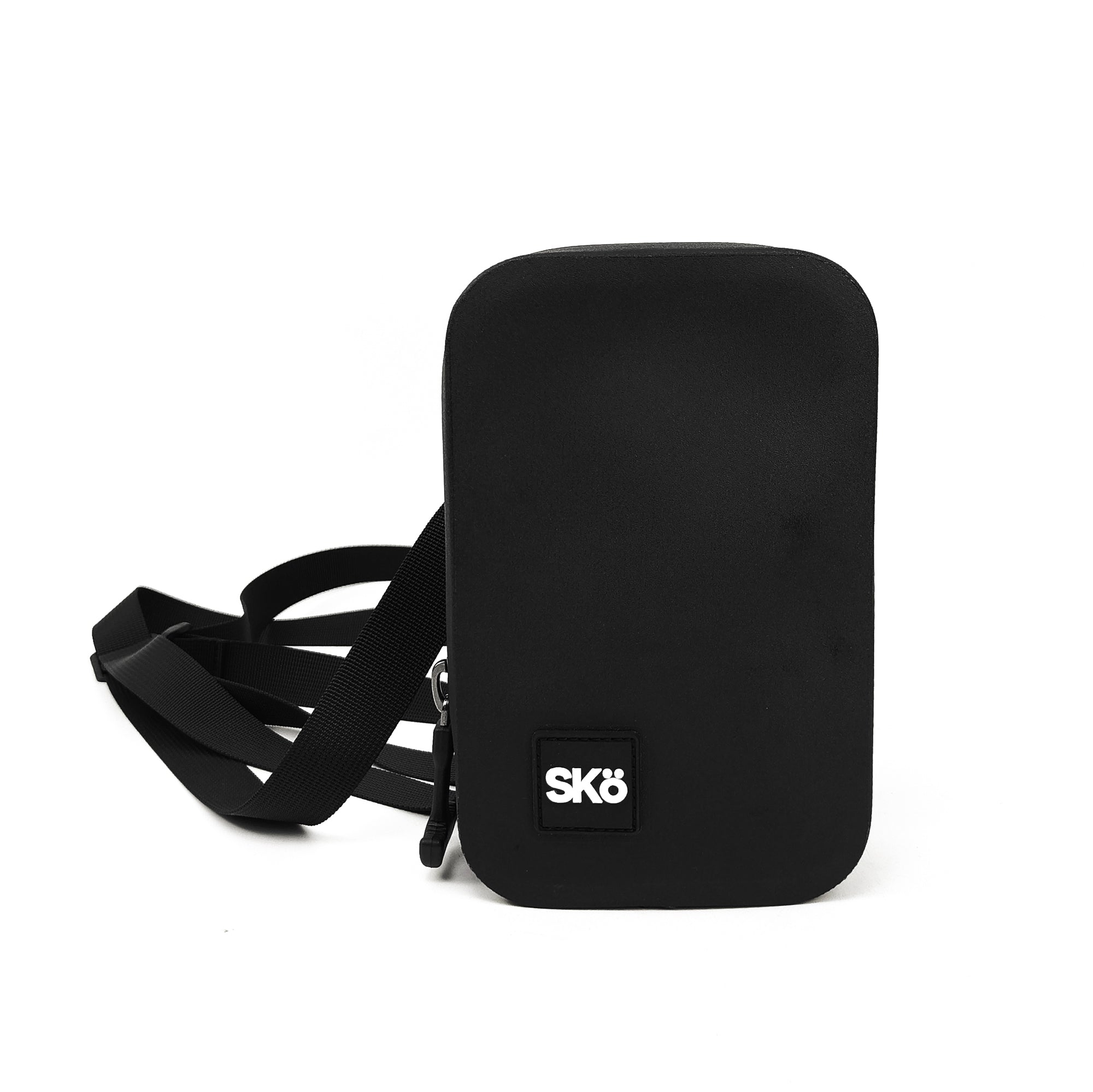
The SKÖ Waterproof Crossbody is built for compact valuables around real water. SKÖ publishes an IP68 waterproof rating, 1.14 L capacity and 1680D TPU construction. It is designed to be waterproof and submersible when the waterproof zipper is properly closed and sealed.
SKÖ does not publish a scuba depth or pressure rating for the Crossbody, so treat it as a waterproof valuables bag for surface water activities rather than translating “IP68” into a depth claim the company has not made.