
Cruise Excursion Packing List: What to Actually Bring
The best shore-excursion bag is not packed for every possible vacation problem. It is packed for the port you are visiting, the activity you booked and the few things that would be difficult to replace once you are off the ship.
Bring your cruise card, the identification and travel documents required for that port, your excursion ticket or confirmation, phone, one payment card, a practical amount of cash, sun protection, drinking water when permitted, and any medication you need during the day. Then add the activity-specific layer: waterproof storage for water excursions, comfortable footwear for walking tours, or rugged carry for hiking and adventure activities.
A shore-day bag should get lighter as your plan gets clearer.
The old instinct is to carry a little of everything “just in case.” That usually creates a bulky bag full of duplicate clothing, extra cards, full-size toiletries and electronics you never use.
A better system starts with the core items you may need to identify yourself, reboard, pay, communicate and stay comfortable. Then add one module based on the excursion. A city tour does not need the same waterproofing as a snorkel boat. A beach stop does not need the same footwear as a historic walking tour. If you are combining several beach days with your cruise, our beach vacation packing-light guide can help cut duplicate clothing and extras.
This also keeps a clean line between the excursion day bag and the small valuables bag. Towels, water, sunscreen and layers can live in the larger day bag. The phone, passport or ID, card, cash and cruise card deserve a smaller, more protected zone. To decide whether you need a bag for several items or just the phone, see waterproof crossbody versus phone pouch.
Eight things cover most shore excursions.
Cruise card
Bring the ship card or credential your cruise line uses for identification and reboarding.
Required ID + passport guidance
Follow your cruise line, destination and government guidance for the exact documents required ashore.
Excursion ticket
Keep the paper or digital tour confirmation available offline in case cellular service disappears.
Phone
Useful for maps, meeting points, emergency contact information, photos and cruise-line apps.
One card + some cash
Carry what you realistically expect to spend instead of your entire trip's wallet and cash reserve.
Hat, sunglasses, sunscreen
Outdoor port days add up quickly, especially around water where reflected UV exposure is easy to underestimate.
Water
Bring a reusable bottle when your ship, port and excursion operator allow it, or know where water will be available.
Medication + small essentials
Bring what you need during the excursion itself, not the full contents of your cabin or suitcase.
Bulky day gear and critical valuables should not fight for the same pocket.
Phone, cruise card, passport or required ID, one payment card, cash, room key and other small items that are hard to replace.
Water bottle, sunscreen, hat, light layer, towel, snacks and the larger things that can tolerate ordinary handling.
Water shoes, snorkel extras, camera, rain shell, hiking layer or whatever the excursion description specifically calls for.
Why separate them?
The phone and travel documents may need waterproof or higher-security storage even when your towel and sunscreen do not. Keeping the small essentials in their own zone also means you can hand off or secure the larger day bag without losing control of the things that matter most.
Pack for the wettest, roughest part of the excursion.
The core kit stays similar. What changes is the footwear, clothing and protection level around it.
Lower water exposure, more walking and more time carrying the bag continuously.
- Comfortable walking shoes
- Light layer or rain shell if forecast calls for it
- Site-appropriate clothing for churches or temples
- Compact day bag rather than bulky beach gear
The bag moves between dry sand, wet towels, surf and sometimes unattended beach setups.
- Swimwear + towel
- Waterproof valuables storage if everyone swims
- Water shoes when the shoreline calls for them
- Dry layer for the return ride
Spray, wet decks and direct water contact change the protection requirement.
- Storage designed for the expected water exposure
- Operator-required flotation or safety gear
- Quick-drying clothing
- Only electronics you actually need
Dust, sweat, abrasion and movement may matter more than full submersion.
- Closed or activity-appropriate footwear
- Secure hands-free carry
- Sun / rain layer based on terrain
- Check operator rules for phones and cameras
This is the one part of the old cruise advice worth updating.
A lot of cruise packing lists still tell U.S. travelers to leave the original passport locked in the cabin and carry only a copy ashore. Current U.S. Department of State cruise guidance says something different: it strongly recommends cruise passengers travel with a passport book and says to always carry your passport with you in case of an emergency. The reason is simple. If you are medically evacuated, miss the ship or need to fly home unexpectedly, a passport book may become essential.
For U.S. travelers
Follow the current State Department guidance and carry the passport book when it is in your possession. Keep a separate copy of the identification page as backup rather than treating the copy as a substitute for the original.
When the ship holds it
Some itineraries or immigration procedures can require the cruise line to collect passports. When that happens, follow the ship's instructions and carry the alternative identification the cruise line tells you to bring ashore.
Royal Caribbean, for example, currently tells shore-excursion guests to bring their SeaPass card, photo identification and excursion ticket. Requirements vary by cruise line and destination, so check the daily instructions for your actual sailing.
There is no universal “$100 to $300” port-day rule.
How much money you need depends on the port, excursion inclusions, transportation plan, tipping customs and whether local vendors accept cards. A fixed cash number sounds helpful, but it can be wildly high for one port and too low for another.
One primary card
Enough for expected meals, purchases or transportation without exposing every card in your wallet.
A practical amount of cash
Use your excursion description and port plan to estimate tips, taxis and cash-only purchases.
Backups
Spare cards and the rest of your trip's cash are more useful as backups if they are not sitting beside the first card.
The boring items are the ones you actually notice missing.
CDC currently recommends broad-spectrum sunscreen with SPF 15 or higher, used with other sun-protection measures.
Especially useful on open boats, beaches and walking tours with little shade.
Bring a reusable bottle when allowed or confirm water is provided by the operator. Do not assume every tour supplies enough for a long hot day.
CDC advises reapplying sunscreen after swimming, sweating or toweling off and during extended outdoor exposure.
The safest packing list is partly a leaving-behind list.
Usually worth taking
- Cruise card
- Passport / required ID based on current instructions
- Excursion ticket
- Phone
- One payment card
- Reasonable cash
- Medication needed during the day
- Activity-specific essentials
Usually better left aboard
- Spare credit cards
- Extra cash reserve
- Jewelry you do not need
- Laptop or tablet unless the day requires it
- Backup electronics
- Full toiletry kit
- Multiple heavy clothing options
- Anything expensive that has no job ashore
For a deeper valuables-only strategy, read Best Way to Carry Valuables on a Cruise Excursion.
The TSA rule matters before embarkation, not on the shore excursion itself.
TSA's 3-1-1 rule currently limits ordinary liquids, gels, aerosols, creams and pastes in carry-on baggage to containers of 3.4 ounces / 100 mL or less, placed in one quart-sized bag per passenger. That matters for sunscreen and toiletries if you fly to the embarkation city. Once you are on the cruise, use the ship and destination rules for what can go ashore.
Do the final check before you step off the ship.
Cruise excursion departure checklist
Cruise excursion packing questions.
What should I bring on every cruise excursion?
Start with your cruise card, required identification or passport, excursion ticket, phone, one payment card, a practical amount of cash, sun protection, water access and any medication you need during the day. Then add only what the excursion itself requires.
Should I bring my passport ashore?
For U.S. travelers, current State Department cruise guidance says to always carry the passport in case of an emergency. If your cruise line is holding the passport for immigration processing, follow the ship's instructions for alternative identification.
Do I need a waterproof bag for a cruise excursion?
Not for every excursion. A dry city tour may only need an ordinary closed day bag. Beach, kayak, snorkel, tender and small-boat excursions are where waterproof or submersible storage can become materially more useful.
How much cash should I bring on a port day?
There is no universal amount. Estimate what you may need for tips, taxis, food and small purchases based on the specific port and excursion. Carry the day's expected amount and leave backup funds aboard.
What should stay in the cabin safe?
Spare cards, extra cash, jewelry and electronics you do not need ashore are usually better left secured aboard. Passport handling is the exception: follow current government and cruise-line instructions rather than an old blanket “leave it in the safe” rule.
Build the rest of the port-day system.
Shore excursions, packed right.
Plan your port day, protect small valuables and find the right bag for what comes ashore.

Carry valuables on a cruise excursion
Keep your cruise card, phone and cash organized ashore.

Best hands-free travel bags
Choose a practical format for long port days.

Keep phone and wallet dry while traveling
Protect the small essentials during wet excursions.

Beach day essentials checklist
Pack well for sandy shore stops and beach excursions.
Keep the phone, passport, card and cash separate from the towel bag.
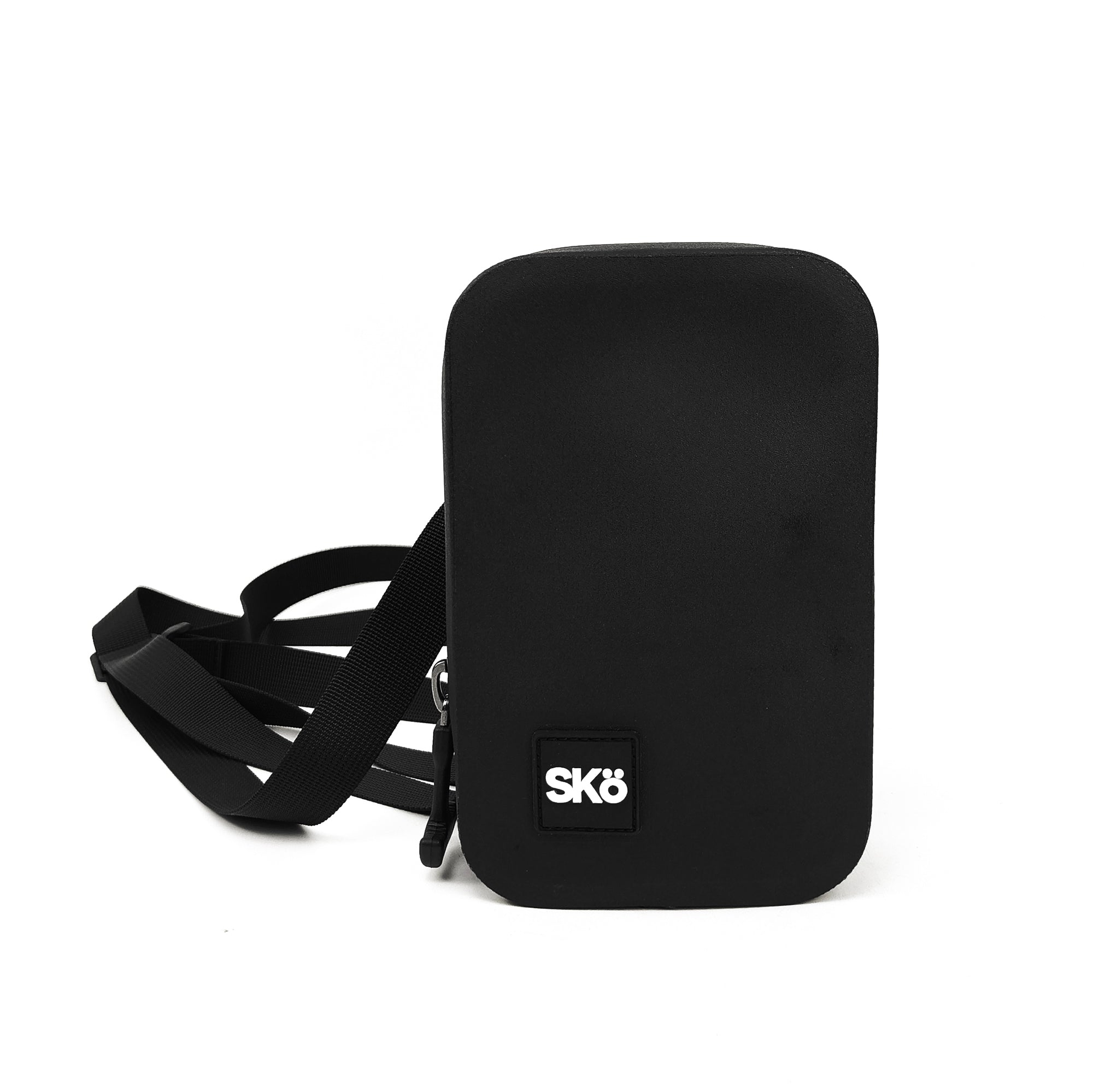
The SKÖ Waterproof Crossbody is sized for compact valuables rather than the whole excursion load. SKÖ publishes an IP68 waterproof rating and describes the bag as designed for waterproof and submersible protection when the waterproof zipper is fully and properly closed.
Use a larger day bag for sunscreen, water, clothing and towels. Use the Crossbody for the few small things you want close and protected through rain, spray, beach stops and other water-heavy port days. For other compact carry choices suited to wet outings, compare waterproof crossbody bags.