


How to Keep Your Fishing Gear Dry and Organized
How to Keep Your Fishing Gear Dry and Organized
Last updated: August 20, 2026

One bag for everything is usually why nothing on the boat is actually dry.
The fastest way to keep fishing gear dry is to stop treating it as one problem. Split what has to stay bone-dry — phone, wallet, extra layers, electronics — from what just needs to stay organized and ventilated, like tackle, nets, and wet gloves. Use a small sealed waterproof bag for the first group and vented or mesh storage for the second, instead of throwing everything into one bag or backpack.
Most "my gear keeps getting wet" complaints trace back to that mix-up. A single backpack or tackle bag takes on spray, rain, or bilge water over a few hours on the water, and whatever's inside — including a phone that was never meant to get wet — takes the hit. The opposite mistake happens too: sealing damp gloves, a wet rain jacket, or a used bait towel into an airtight bag traps moisture and starts growing mildew before the next trip.
The fix is two systems, not one bigger bag. A small, fully sealed waterproof pouch or crossbody for anything electronic or irreplaceable, kept clipped somewhere it won't get knocked overboard. Then a mix of soft tackle bags, hard tackle boxes with drainage, and mesh bags for anything that needs to dry out between trips rather than get sealed away wet.
How do you keep fishing gear dry on a boat?
Separate gear into two groups: items that must stay completely dry (phone, wallet, electronics) go in a small sealed waterproof bag, while tackle, nets, and wet gear go in ventilated or mesh storage so they can dry out instead of trapping moisture. Using one bag for both usually fails at protecting either.
The Two-System Approach
Phone, wallet, keys, a spare set of dry clothes — put these in a small, fully sealed waterproof bag, not just a "water-resistant" pocket. Clip or strap it somewhere secure so it can't slide off the deck if the boat rocks or you're netting a fish.
Gloves, bait towels, and cast nets shouldn't go into a sealed bag wet. Hanging mesh bags let airflow through and prevent the mildew smell that shows up when damp gear sits sealed for a few days between trips.
Monofilament and fluorocarbon line degrade faster with UV exposure, so keep them in dark, closed compartments rather than a clear lid facing the sun all day. Hooks and lures do better in a hard box; soft plastics can go in a soft bag.
Saltwater residue left on reels, hooks, and metal hardware is what actually causes rust — not a single wet trip. A quick freshwater rinse and a full dry-out before gear goes back in the garage prevents most of the corrosion anglers deal with.
The U.S. Coast Guard's boating safety guidance lists a dry bag as one of the standard items to have aboard for essentials like a phone, first-aid kit, and rain gear — grouped separately from the actual fishing tackle, which supports the same split described here: essentials that must stay dry versus gear that just needs to be secured and accessible.
On a typical half-day trip, the gear that actually gets ruined is rarely the tackle — it's the phone left in an unzipped jacket pocket, or the wallet that ends up in the bottom of a cooler under melting ice. A small dedicated waterproof bag clipped to a belt loop or console handle solves that specific failure point without changing how the rest of the gear gets stored.
Do waterproof phone pouches work for fishing?
Yes, for keeping a phone accessible and dry without needing a full dry bag. A small waterproof pouch or crossbody clipped somewhere secure protects against spray, rain, and accidental drops overboard, while still letting you get to the phone quickly for photos or navigation.
How do I stop my tackle box from rusting?
Rust usually comes from saltwater or moisture left on metal hardware, not a single wet trip. Rinse hooks, reels, and hardware with fresh water after saltwater use, dry everything fully before closing the box, and store it somewhere with airflow rather than sealed up damp.
Sources
If you're the one who ends up with a damp phone at the bottom of the cooler, the fix is usually just having something small and actually submersible to clip it into — which is exactly the gap a waterproof crossbody is built to fill.
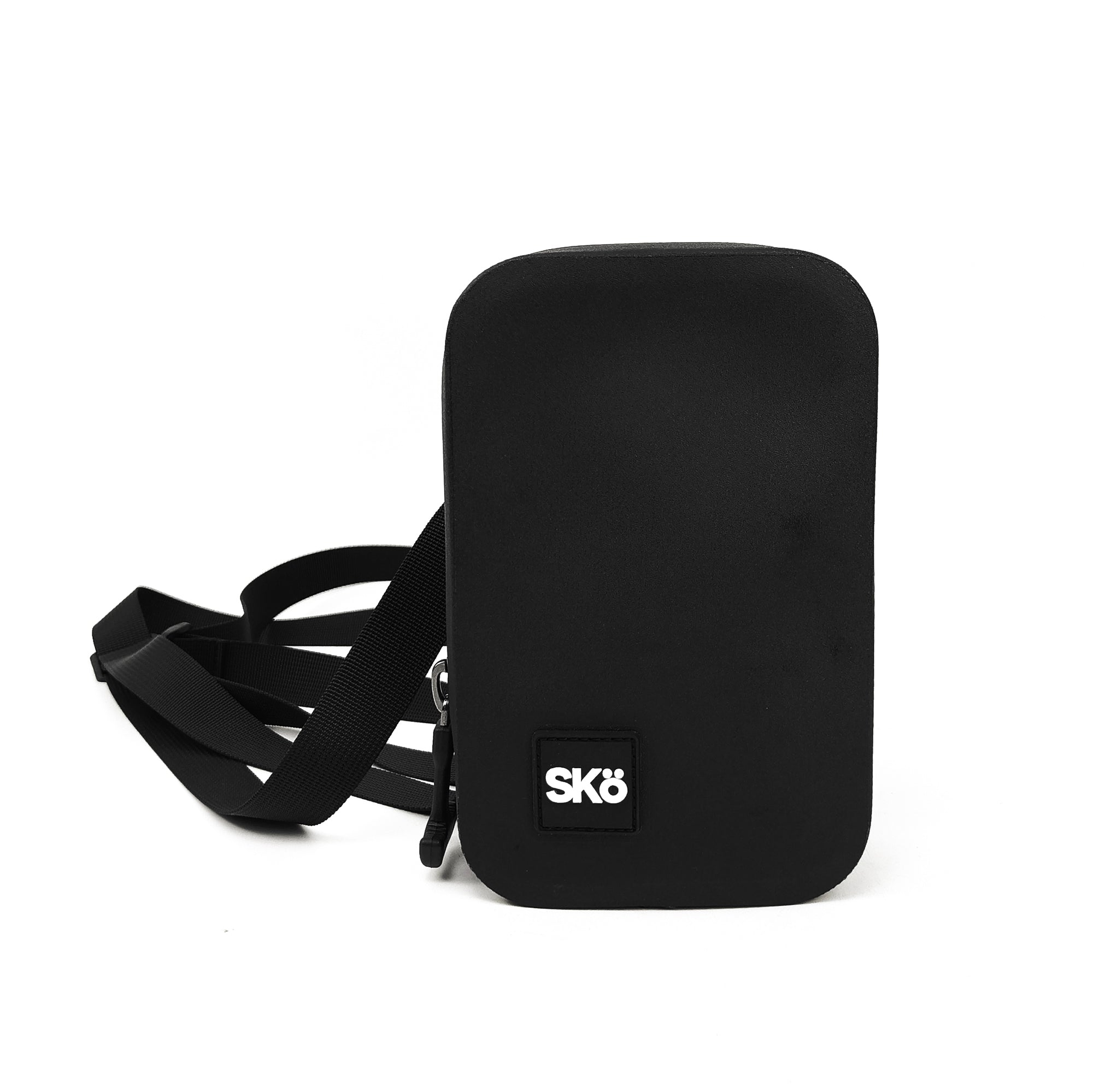
$80 · Limited Lifetime Warranty