
Fishing Trip Essentials: What to Actually Bring
A good fishing checklist is not a garage inventory. It is the smallest set of gear that keeps the trip legal, safe, comfortable and fishable from the first cast to the ride home.
Start with five things: the correct fishing license, required life jackets if you are on a boat, a weather check, tackle matched to the species and water, and sealed storage for your phone, keys and wallet. Then add sun protection, water, food, a first-aid kit, pliers, spare terminal tackle and the extras specific to bank, kayak or powerboat fishing.
Most fishing trips do not need more gear. They need fewer forgotten essentials.
A slow bite is part of fishing. Showing up without the right license, realizing the only pliers are still on the workbench, losing your keys into a wet kayak cockpit or discovering the weather turned while you were already miles from the ramp are avoidable problems.
The easiest packing system is to organize the trip by job: legal and safety, tackle, sun and weather, food and water, and dry storage. Once those are covered, the rest is dictated by how and where you are fishing.
Check these before you start loading rods.
License
Fishing rules are state-specific. Confirm who needs a license, what water/species it covers, and any local limits before the trip.
Life jackets
If you are on a recreational vessel, make sure the required U.S. Coast Guard-approved wearable PFDs are aboard, accessible and properly sized.
Forecast
Check wind, storms, temperature and water conditions before leaving. A fishing plan that ignores the forecast is not finished.
Matched tackle
Bring the rod, line, terminal tackle and lures appropriate for the species and technique instead of hauling every box you own.
Dry storage
Phone, keys, wallet and any paper license should have a sealed home before wet hands, spray or a dropped bag enter the picture.
Pack in four working groups.
🦺 License + safety
- Valid fishing license or required permit
- Required U.S. Coast Guard-approved life jackets for the boat
- Throwable flotation device when federal rules require one
- First-aid kit and personal medication
- Float plan or trip details left with someone ashore
- Current weather and marine/inland forecast checked
🪝 Tackle
- Rod and reel matched to the target
- Appropriate line and leader
- Hooks, weights, swivels and a few proven lures
- Pliers or hook remover
- Cutting tool appropriate to your setup
- Spare terminal tackle and one backup tool
☀️ Sun + weather
- Sunscreen
- Hat
- Polarized sunglasses
- Rain shell or weather layer
- Warm layer for cold starts when needed
- Footwear matched to bank, deck or paddle craft
💧 Food + dry storage
- Enough drinking water for the trip
- Food or snacks
- Phone sealed and reachable
- Keys and wallet sealed
- Battery pack for long days
- Dry bag for spare layers and anything larger
A day-trip box should help you fish, not make you reorganize the boat.
The right tackle depends on species, water and technique, so there is no universal lure list. There is, however, a useful way to keep the kit under control: bring the main setup, a few proven alternatives and backups of the tiny items most likely to get lost.
The rod, reel, line and lure or bait setup you expect to use most.
Enough variety to respond when depth, wind, water clarity or fish behavior changes.
Extra hooks, leaders, weights, snaps, swivels or whatever your setup can lose quickly.
Pliers, a hook remover and the cutting tool your rig actually needs.
The “second pliers” rule is surprisingly useful.
Small tools disappear, get dropped or end up in somebody else’s bag. If one inexpensive item would make it difficult to change tackle or remove a hook safely, a backup often earns the space.
The rules depend on the watercraft and jurisdiction.
Federal requirements are the floor, not necessarily the whole rulebook. State boating and fishing laws can add requirements, so check the state where you will actually be fishing.
U.S. Fish & Wildlife Service says every state has slightly different fishing-license rules. Check the state agency before the trip.
Current Coast Guard guidance says recreational boat operators must have a Coast Guard-approved wearable PFD for every person aboard.
Federal guidance generally requires an approved throwable device on recreational vessels 16 feet and longer, with exceptions such as canoes and kayaks.
NWS recommends checking the forecast before boating or fishing and being ready to head for shore when severe weather threatens.
Bank, kayak and powerboat trips add different failure points.
On foot
- License and local access rules still apply.
- Prioritize comfortable footwear and a bag you can carry while moving spots.
- Keep phone and keys off wet ground and away from bait, mud and spray.
- A compact tackle kit usually beats carrying the whole collection.
Everything loose can leave.
- Wear an appropriate life jacket and follow local paddle-craft rules.
- Leash or secure rods and important loose gear.
- Keep the small valuables on you or in sealed storage.
- Use a separate dry bag for layers, food and larger items.
Add the vessel layer.
- Confirm required PFDs and other safety equipment for the boat size.
- Use the correct throwable flotation device when required.
- Monitor weather while out, not only before launch.
- Bring appropriate communications equipment for the water you are on. For dry storage on a fishing boat, compare waterproof bag setups for boating.
Keep the phone with you. Keep the layers in the bigger bag.
Fishing creates constant low-level water exposure: wet hands, bait, spray, rain, a damp deck, stepping into a kayak and setting gear down near shore. The easiest system is to split the dry storage into two jobs.
On-body valuables
- Phone
- Car keys
- Wallet
- Paper license if you carry one
- Small battery pack if needed
Larger dry bag
- Rain layer
- Warm layer
- Food that needs protection
- Spare clothes
- Other electronics or larger accessories
For the full gear-care system, see How to Keep Your Fishing Gear Dry and Organized.
Run one final check at the driveway or ramp.
Fishing trip final checklist
Fishing trip packing questions.
Do I need a fishing license for bank or shore fishing?
Often yes, but the exact rules, exemptions and license types are state-specific. U.S. Fish & Wildlife Service says every state has slightly different requirements, so check the fish and wildlife agency for the state where you will fish.
Do I need a life jacket if I am fishing from a boat?
Recreational vessels are generally required to carry an appropriate U.S. Coast Guard-approved wearable life jacket for each person aboard. Wear requirements can depend on age, vessel type, activity and state law, so check the rules for your waterway.
What should I keep waterproof while fishing?
At minimum, protect the phone, keys, wallet, paper documents and any electronics that would create a real problem if soaked. Larger layers and food can go in a separate dry bag.
How much tackle should I bring for a day trip?
Bring enough to cover your primary presentation, a couple of realistic alternatives and backups of small terminal tackle that can easily be lost. More tackle is not automatically more useful if it makes the boat, bank or kayak harder to manage.
What weather should make me cancel a fishing trip?
There is no single universal cutoff because the boat, body of water and local conditions matter. Check official forecasts and warnings, know your vessel and skill limits, and change plans when severe weather or unsafe wind and water conditions are expected.
Get ready for your next fishing trip
Bring the gear you need and protect the things you cannot afford to soak.


Keep the phone, keys and wallet sealed without digging through the tackle box.
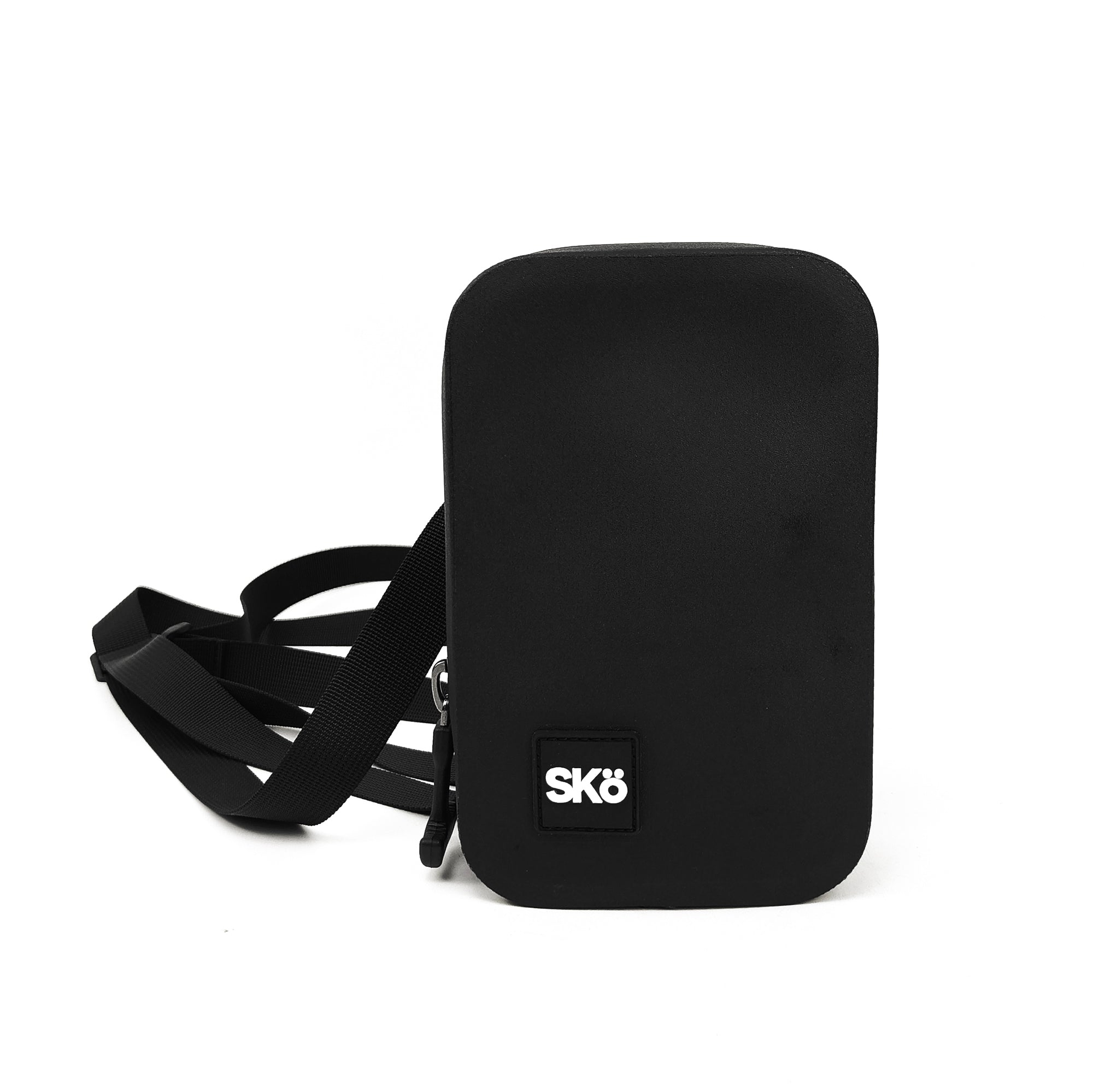
The SKÖ Waterproof Crossbody is built for small essentials around real water. SKÖ publishes an IP68 waterproof rating, approximately 1.14 L capacity, 1680D TPU construction and a waterproof zipper.
It is for the valuables. It is not a tackle box, dry bag for clothing, flotation device or replacement for any required boating safety equipment.