


How to Clean a Waterproof TPU Bag (Without Ruining It)
How to Clean a Waterproof TPU Bag (Without Ruining It)
Last updated: August 25, 2026

A day like this is exactly what leaves sand, salt, and sunscreen ground into a TPU bag's seams.
Clean a waterproof TPU bag with lukewarm water and a small amount of mild dish soap or baby shampoo, using a soft brush on the exterior and a damp cloth on the interior lining — never a washing machine, never hot water, and never harsh solvents. Getting this wrong is usually what actually damages a TPU bag, not everyday use.
TPU (thermoplastic polyurethane) is the material behind most modern waterproof bags because it's puncture-resistant, tear-resistant, and holds its seal well over time. But it has a real weak point: heat. Hot water and machine drying can weaken the welded seams and adhesive bonds that make the bag waterproof in the first place, and once that seal degrades, it doesn't come back — you're left with a bag that looks fine but leaks.
Most of what ends up on a TPU bag after a day at the beach, on a kayak, or on a boat is sand, dried salt, and sunscreen residue, all of which respond fine to a gentle hand wash. The mistakes people make are almost always about method, not frequency — over-scrubbing the interior lining, using hot water to "get it really clean," or tossing it in with the laundry because it seems like a normal bag.
How do you clean a waterproof TPU bag?
Rinse off loose sand and debris, then hand wash with lukewarm water (never hot) and a small amount of mild soap, using a soft brush on the exterior only. Wipe the interior lining with a damp cloth instead of scrubbing it. Rinse thoroughly and air dry in shade — never in a washing machine, dryer, or direct sun.
The Cleaning Process That Actually Works
Turn the bag inside out if it opens fully, and shake or brush out loose sand, dirt, and crumbs before any water touches it. Wet sand is much harder to fully remove.
Use dish soap or baby shampoo, not laundry detergent or anything with bleach or solvents. Keep the water lukewarm — hot water is the main way people accidentally damage TPU seams.
A soft brush is fine on the outer shell for ground-in salt or sand. The interior lining is more delicate — wipe it with a damp cloth or sponge instead of scrubbing, which can wear through the coating over time.
Leftover soap residue can attract more dirt and, in some cases, degrade coatings over time. Rinse until the water runs clear.
Keep the bag out of direct sunlight — UV exposure breaks down TPU over time — and let it dry fully open so moisture doesn't get trapped in seams or pockets before you store it.
The material science backs this up: research on TPU coatings notes that the material's wear resistance and water resistance depend on the coating staying intact, and heat, abrasion, and repeated flexing are the main ways that coating breaks down early. REI's product notes on TPU accessory cases reflect the same guidance manufacturers give across the board — hand wash, mild soap, no machine.
Give a TPU bag a quick rinse after every saltwater trip and a full hand wash every few uses (or sooner if it's visibly grimy), and there's no reason a well-made one shouldn't hold its seal for years. The failures almost always trace back to a wash cycle, a hot tap, or a bag left crumpled and damp in a closet — not to normal wear from actually using it.
Can you put a TPU waterproof bag in the washing machine?
No. The spin cycle's mechanical stress and any heat from the wash or dry cycle can weaken welded seams and adhesive bonds, compromising the waterproof seal. Hand washing with lukewarm water and mild soap is the only method manufacturers and material researchers recommend.
Why does my TPU bag feel stiff or brittle after cleaning?
This is usually leftover soap residue that wasn't fully rinsed out, or damage from hot water or direct sun during drying. Rinse thoroughly after washing and dry the bag fully open in shade, not folded or in direct sunlight, which accelerates UV breakdown of the material.
Sources
If you just need something small and submersible for a phone, wallet, and keys rather than a full dry bag to maintain, SKö's waterproof crossbody is built the same way — welded seams, no roll-top guesswork, and the same lukewarm-water-and-mild-soap care routine.
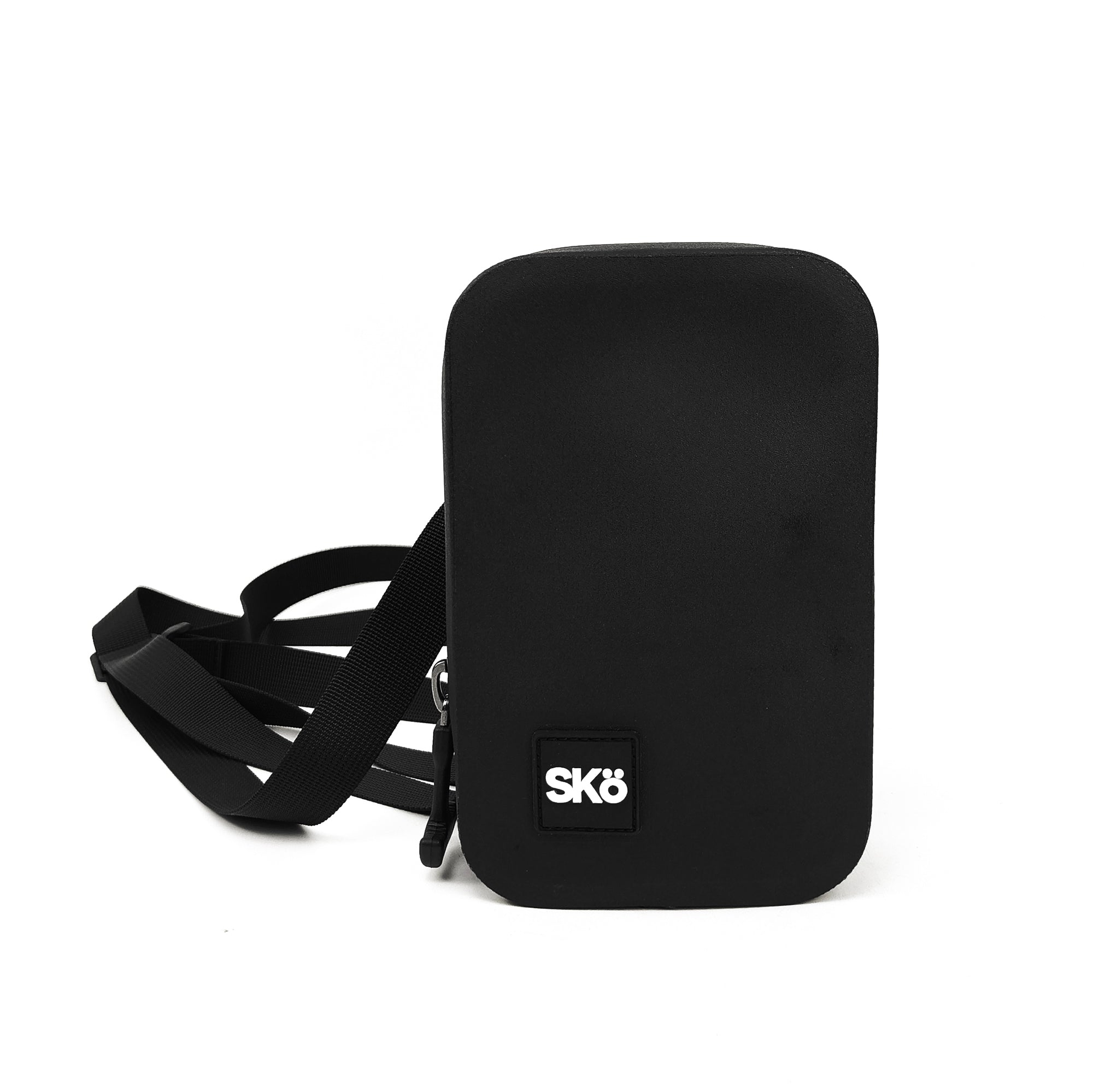
$80 · Limited Lifetime Warranty