

Boating Essentials Checklist: What to Bring for a Day on the Water
A good boating checklist separates three things that often get mixed together: equipment the law may require, equipment that keeps the boat functional, and the personal gear that keeps everyone comfortable enough to enjoy the day.
Start with a properly sized U.S. Coast Guard-approved wearable life jacket for every person, then verify the equipment required for your exact boat, length and waterway. Depending on the vessel, that can include a throwable flotation device, fire extinguisher, sound signal, visual distress signals, navigation lights and use of an installed engine cut-off switch. Then check the latest applicable weather forecast, leave a float plan, confirm fuel and mechanical basics, and pack sun protection, drinking water, first aid and secure dry storage for your phone, keys and wallet.
There is no single federal gear list that fits every recreational boat.
Boat length, propulsion, model year, construction, operating area and state law can all change what has to be aboard. A 14-foot open fishing boat on an inland lake does not automatically have the same federal equipment requirements as a 24-foot powerboat running coastal water after sunset. For fishing-specific tackle and personal gear beyond the required boat safety equipment, see our fishing trip essentials checklist.
That matters because the older version of this checklist treated a throwable device and fire extinguisher as if they were universal equipment for every boat. The U.S. Coast Guard is more specific: every person generally needs an approved wearable life jacket, while throwable devices, extinguishers, distress signals and other equipment depend on the vessel and operating conditions.
The easiest system is to build the day in layers: legal baseline → boat readiness → weather → communication → people → valuables.
Eight checks cover most of the ways a simple boat day goes sideways.
Life jackets
One approved wearable PFD for each person, properly sized, serviceable and easy to reach. Wearing it is safer than storing it.
Required equipment
Verify throwable device, extinguisher, lights, distress signals, sound equipment and state-specific requirements for your exact trip.
Latest weather
Check the forecast and warnings that actually cover your water. Recheck before departure and monitor conditions while out.
Fuel + systems
Fuel, battery, bilge, drain plug, controls, propeller, steering, lines and anchor should be ready before people pile aboard.
Float plan
Tell a responsible person where you are going, who is aboard, what the boat looks like and when to expect you back.
Reliable communication
A charged phone helps near coverage. For many boaters, especially farther offshore, a marine VHF is the more appropriate emergency tool.
Water + sun protection
Drinking water, broad-spectrum sunscreen, shade where possible, a hat and sunglasses help keep the easy day easy. For the family and shore-side packing layer, also see our lake-day essentials checklist.
Secure waterproof storage
Phone, wallet and keys deserve a defined dry zone instead of a loose cupholder, seat cushion or shorts pocket.
Start with the requirements that change by boat and waterway.
Wearable life jackets
The Coast Guard says federal law generally requires one approved, wearable, properly sized life jacket in good and serviceable condition for each person aboard. Wearable PFDs must also be readily accessible rather than buried beneath gear.
Throwable flotation
Boats greater than 16 feet generally need one Coast Guard-approved throwable device immediately available, with exemptions including canoes and kayaks. Do not turn “16 feet and longer” into a universal rule without checking the vessel category.
Navigation + distress equipment
Navigation lights are required from sunset to sunrise and in restricted visibility. Visual distress signal requirements depend on the waterway, vessel type, length and whether you are operating during day or night.
Local rules still matter
Registration, age rules, education requirements, child life-jacket laws, towing rules and local equipment requirements can be stricter than the federal baseline. Check your state boating agency before launch.
“On board” is the minimum. “On the person” is the better plan.
The Coast Guard recommends wearing a life jacket whenever the vessel is underway because accidents happen faster than people expect. A stowed PFD only helps if a person can reach it and put it on in time.
Use the label's weight and chest guidance. A good fit should stay secure without riding up excessively.
A life jacket can be Coast Guard-approved and still be a poor choice for the specific boating activity. Check the product label.
Damaged flotation, torn straps, broken buckles or degraded material are reasons to replace the device.
Wearable PFDs must be readily accessible, and throwable devices must be immediately available for use.
Some items belong on almost every boat. Others are conditional.
“Not expired” is only one part of the inspection.
Confirm the extinguisher type and number required for your boat's model year, length and fixed-system configuration.
Current Coast Guard rules include a 12-year service-life limit for applicable disposable extinguishers.
If the unit has a gauge or indicator, it must be in the operable position.
Check pin, nozzle and the cylinder itself instead of treating the date label as the entire inspection.
Do you actually need one?
Not every small open boat has the same fire-extinguisher carriage requirement. The Coast Guard's current rules depend on boat age, size, fuel-system features and whether a fixed extinguishing system is installed.
If your boat requires an extinguisher, make sure the unit is approved, readily accessible, not expired or previously discharged, and in good serviceable condition.
The forecast you saw last night is not the forecast you leave with.
Get the latest applicable NWS forecast and current advisories or warnings for the water you will actually use.
NWS marine forecasts include wind speed and direction, wave heights and periods, near-shore roughness and significant weather.
Use local NWS forecasts, radar, warnings and any lake-specific information available instead of assuming a coastal marine product exists.
Watch the sky, wind direction and water surface. The NWS warns that thunderstorms and rapid wind shifts can change wave conditions quickly.
NWS boating guidance recommends not venturing out when thunderstorms are possible and heading toward port or safe shelter if storms develop nearby.
A sudden change in wind speed or direction can change conditions fast, particularly near fronts, thunderstorms and fast-moving showers.
Restricted visibility requires navigation lights and slower, more cautious operation. Use sound signals and appropriate navigation tools.
The smartest checklist catches the boring failure at the ramp.
Drain plug, bilge and obvious leaks
Install the drain plug where applicable, verify the bilge system works and check for water where it should not be before launch.
Fuel, battery, controls and prop
Confirm usable fuel, battery condition, steering/throttle operation and an undamaged propeller before pushing away from the dock.
Engine cut-off link
If the boat has an installed engine cut-off device and the federal use requirement applies, attach the link to the operator, clothing or PFD before getting underway.
Anchor, dock lines and basic tools
These may not all be universal carriage requirements, but they can turn a minor mechanical or docking problem into a manageable one.
A float plan matters even on a familiar lake.
Leave a float plan
The Coast Guard recommends leaving a float plan with a reliable person each time you get underway. Include who is aboard, destination or route, departure and return timing, vessel details and a recent boat photo.
If plans change, update the person holding the plan so they do not trigger an unnecessary search.
Choose communication for the water
A charged phone is useful where coverage exists. The Coast Guard says its mobile app is not a replacement for marine VHF and strongly recommends boaters carry VHF where appropriate.
Keep the phone or radio protected, charged and reachable. An emergency device buried under towels is barely more useful than one left at home.
Safety gear gets you home. Comfort gear keeps people from making bad decisions halfway through the day.
Bring enough for the group and the conditions, with extra margin for hot weather or a delayed return.
CDC recommends broad-spectrum SPF 15+ with hats, sunglasses, clothing and shade. Reapply after two hours and after swimming, sweating or toweling off.
Keep basic wound-care supplies protected from spray and easy to reach instead of buried under the cooler.
Wind over wet clothes can make a warm day feel cold quickly. Pack for the water and evening return, not only the launch temperature.
Give the phone and keys one home before the boat starts moving.
Boats generate spray, wet seats, slippery gear, swimmers climbing aboard and unexpected movement. That makes a pants pocket or open cupholder a poor valuables system even when nobody plans to get wet.
Keep close + protected
- Phone
- Car key / electronic fob
- Wallet / ID
- Emergency contact information
- Small medication that must stay with a person
Secure elsewhere on the boat
- Towels
- Dry clothes
- Food and cooler
- Extra sunscreen
- Larger low-consequence gear
The 90-second departure check.
Boating essentials checklist
Boating essentials questions.
Do I legally need a life jacket for every person on the boat?
In general, federal law requires one Coast Guard-approved wearable life jacket in good, serviceable condition and the correct size for each person aboard. State child-wear rules and other local requirements can be stricter, and the Coast Guard recommends wearing life jackets while underway.
Does every boat need a throwable flotation device?
No. The Coast Guard says recreational boats greater than 16 feet generally need an approved throwable device, with exemptions including canoes and kayaks. Check the guide for your vessel category and state rules.
Does every boat need a fire extinguisher?
No. Federal fire-extinguisher requirements depend on the boat's model year, size, construction, fuel-system features and whether a fixed system is installed. If one is required, make sure it is the correct approved type, accessible, within applicable age limits and serviceable.
How should I check boating weather?
Use the latest applicable National Weather Service forecast and warnings for your water immediately before departure, then continue monitoring conditions. Marine forecasts are appropriate in marine forecast zones; inland lakes may rely on local NWS forecasts, radar, warning products and lake-specific information.
Do I need a whistle or horn?
A vessel under 39.4 feet must at minimum have some means of making an efficient sound signal, such as a whistle, handheld air horn or installed horn. A human voice does not satisfy the federal rule.
Should I file a float plan for a day trip?
Yes. The Coast Guard recommends leaving one with a responsible person each time you get underway. It gives rescuers the route, vessel and passenger information they would otherwise have to reconstruct during an emergency.
Build the rest of your day-on-the-water system.
Explore smarter gear choices, waterproofing advice and care tips before your next boat trip.

Best waterproof bags for boating
Choose storage for the deck, cabin and small essentials.

Are dry bags actually waterproof?
Know the difference between water resistance and submersion.

Clean and maintain a waterproof bag
Keep closures and materials in better condition.

Waterproof crossbody vs phone pouch
Pick the right way to carry phone, wallet and keys.
Also explore SKÖ waterproof gear for boating →
Keep the phone, wallet and keys in one waterproof place.
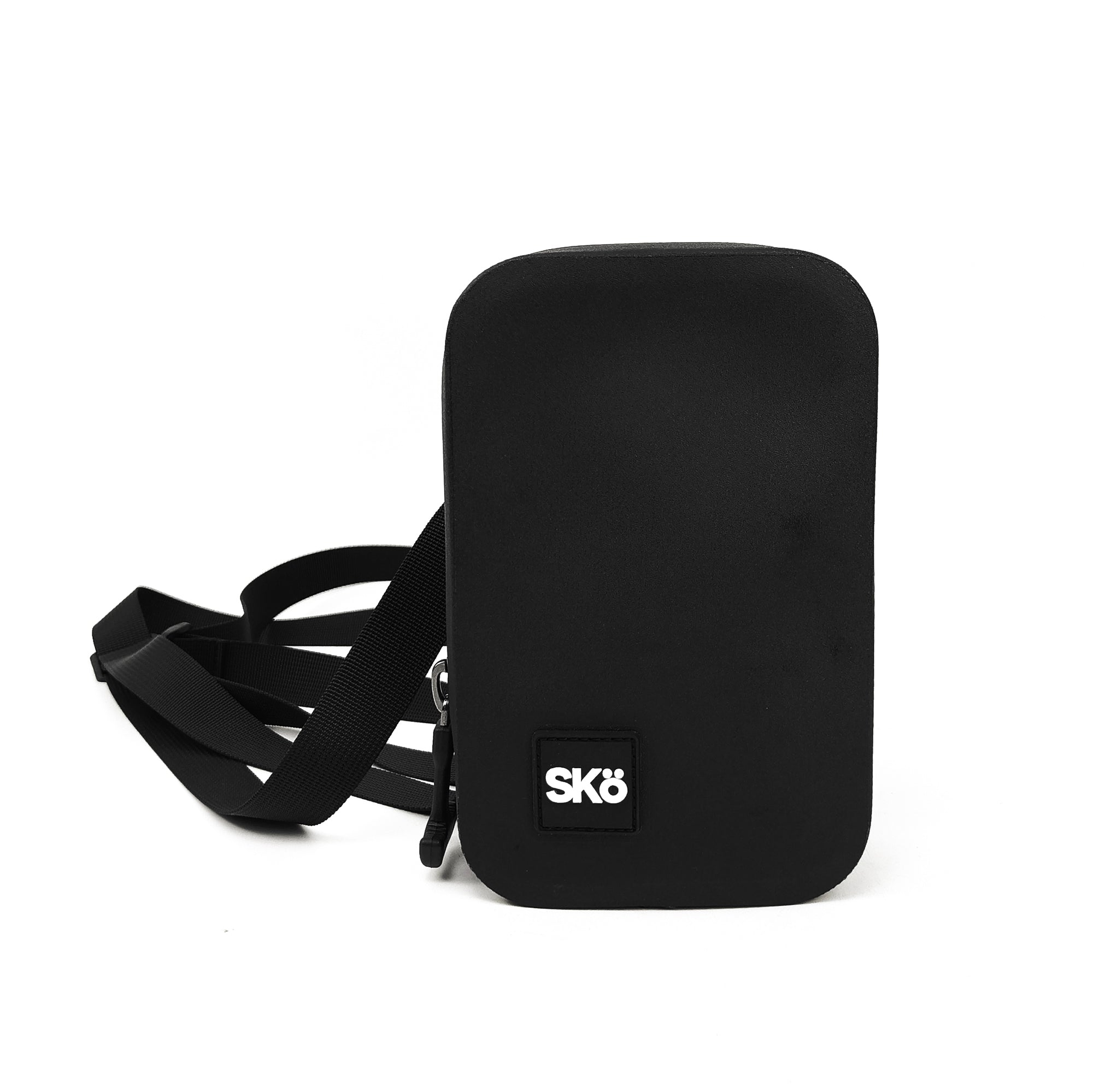
The SKÖ Waterproof Crossbody is compact waterproof carry for the small essentials that move with you around the boat, dock, beach and water.
SKÖ currently publishes an IP68 rating, approximately 1.14 L capacity, 1680D TPU construction, a waterproof zipper and dimensions of 7.5 × 4.7 × 2 inches. The product page describes the finished bag as waterproof and submersible when the zipper is fully and properly sealed.
Sources
- U.S. Coast Guard, A Boater's Guide to the Federal Requirements for Recreational Boats
- U.S. Coast Guard Boating Safety, Frequently Asked Questions
- U.S. Coast Guard, Fire Extinguisher Requirements FAQ
- U.S. Coast Guard, Engine Cut-Off Switches
- U.S. Coast Guard, Float Plan
- National Weather Service, Safe Boating Marine Forecast Guidance
- National Weather Service, Boating Weather Changes
- CDC, Sun Safety Facts
- SKÖ Gear, Waterproof Crossbody Product Specifications