
Best Way to Carry Valuables on a Cruise Excursion
The goal is simple: take only what the port day actually requires, keep it attached to you, and match the bag to the wettest part of the excursion.
Carry a small closed bag across the front of your body with the cruise card, required ID, phone, one payment card and only the cash you expect to use. For U.S. travelers, the State Department currently advises cruise passengers to carry their passport in case of an emergency, unless the ship is holding it for that port. Keep a passport copy separate. If the excursion includes a beach, snorkel stop, kayak, tender or other wet activity, use storage designed for real water exposure.
The cabin safe and the bag on your body have different jobs.
Cruise travelers tend to make one of two mistakes ashore: carrying far too much, or treating a port day like a walk around the ship and leaving themselves without the documents, money or water protection the excursion actually requires.
A better system is to decide what stays locked aboard and what earns a place on your body before you walk down the gangway.
The valuables bag should stay small. It is not the towel bag, snorkel bag or family snack bag. It is the place for the handful of items that would create a serious problem if they were lost, stolen or soaked.
One group stays aboard. One small group goes ashore.
Leave the backups on the ship.
If you do not need an item during the excursion, carrying it creates another thing to lose or expose. Keep unnecessary valuables aboard.
Carry the small port-day kit.
These are the things you may need to get back aboard, pay for the day, communicate, identify yourself or handle an emergency.
Do not rely on cruise folklore when the official guidance is clearer.
Cruise forums often debate whether the passport should stay in the cabin safe or come ashore. For U.S. citizens, current State Department cruise guidance says to always carry your passport with you in case of an emergency. It notes that you could need it after an unexpected medical evacuation or an unscheduled port change, and strongly recommends traveling with a passport book because a passport card cannot be used to fly back to the United States.
For U.S. travelers, follow current State Department guidance unless your cruise line is holding the passport for immigration processing.
The State Department recommends carrying a color copy of the passport photo page separately from the original documents.
Some itineraries require the vessel to collect and safeguard passports. Holland America explicitly notes that this can happen at certain ports.
Why this matters on an excursion.
The emergency scenario is not theoretical: if you are hospitalized ashore and the ship must leave without you, the State Department says a passport book may be necessary to fly home once you are cleared to travel.
Keep the valuables kit intentionally small.
🪪 Documents
- Cruise card or ship ID
- Photo identification required by your line or port
- Passport when applicable
- Passport copy stored separately
- Excursion ticket or digital confirmation when needed
💳 Money
- One primary card
- Small amount of cash for the day
- Money for tips when appropriate
- Backup card left aboard rather than carried beside the first
📱 Communication
- Phone
- Offline port map if useful
- Ship contact information
- Portable battery for long independent port days
💊 Personal essentials
- Medication needed during the excursion
- Emergency contact information
- Sunscreen when the day is outdoors
- Only the small essentials you cannot easily replace ashore
For towels, water shoes, snacks and the rest of the day bag, use the Cruise Excursion Packing List.
A city walk and a snorkel boat do not need the same bag.
Start with the same compact valuables kit, then change the protection level based on what the day will actually expose it to.
A compact zippered bag worn in front keeps the important items together without turning the excursion into a luggage haul.
If nobody is staying with the towels, the valuables either come into the water with you or stay on the ship.
Spray resistance is not enough when the bag may actually go underwater. Use storage built for that exposure. For more on this specific choice, see waterproof crossbody versus phone pouch comparison.
Even a dry-land excursion can begin and end with a small boat ride. Keep documents and electronics protected from spray.
Decide port by port.
Most of the strategy is boring on purpose.
Do not bring your entire wallet.
One card and the amount of cash you expect to use keeps the potential loss much smaller than carrying every payment method you brought on the trip.
Keep the valuables where you can see them.
A compact crossbody worn toward the front is easier to monitor in busy markets, terminals and transportation than a phone in a back pocket. For more on this specific choice, see waterproof crossbody bags compared.
Leave unnecessary expensive items aboard.
CDC travel-security guidance advises travelers not to draw attention with expensive clothing or accessories. Jewelry you do not need ashore can stay in the cabin safe.
One loss should not take everything.
Do not store the original passport, its copy, every credit card and all of your cash together in one place.
A small waterproof valuables bag, not the whole excursion bag.
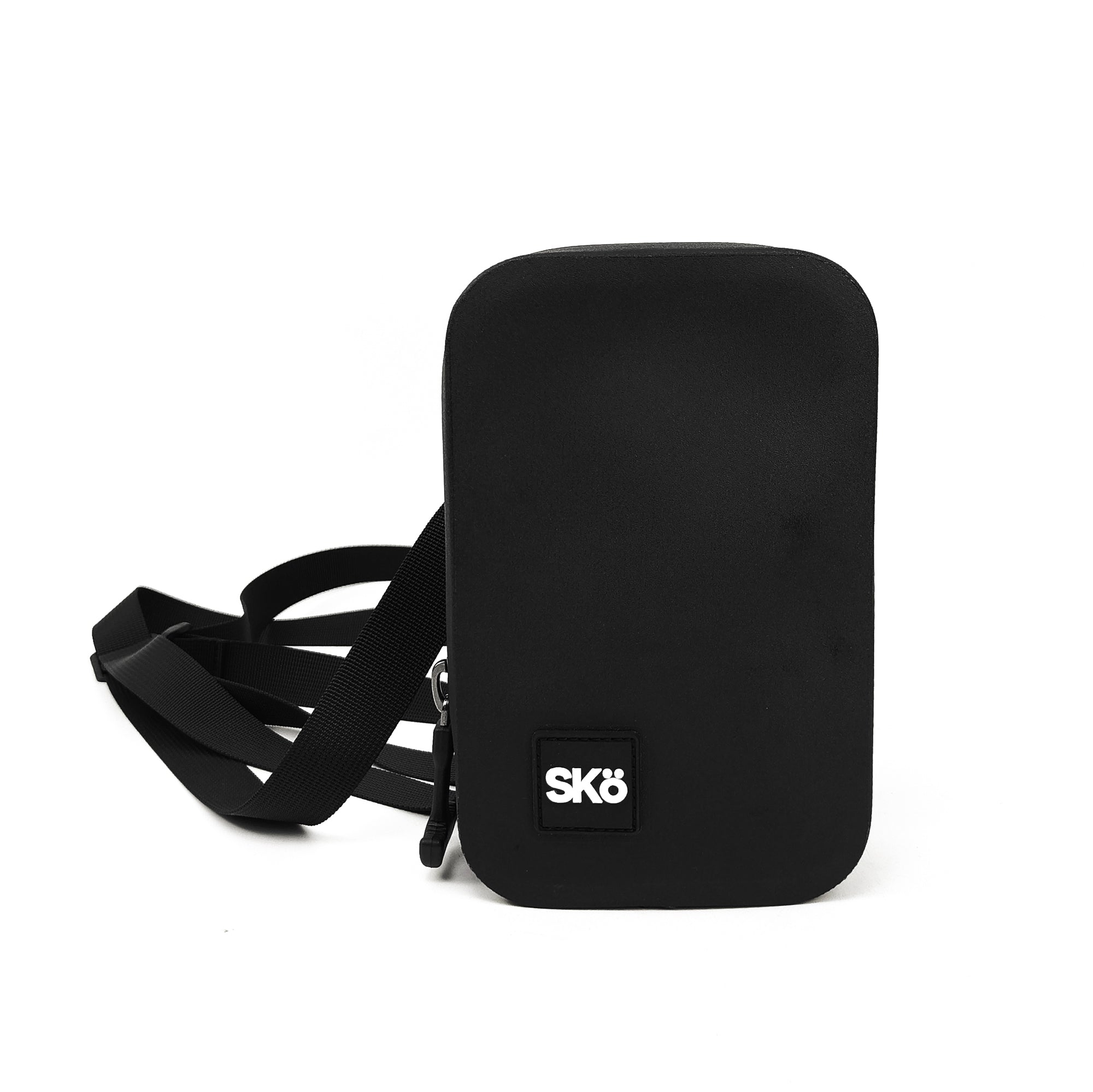
The SKÖ Waterproof Crossbody is sized around the exact small kit this guide is talking about: phone, wallet, keys, cards, ID and passport-sized documents. It is not intended to replace the larger bag that carries towels, food or snorkel gear.
Good fit
- Cruise card, ID, phone, one card, day's cash and passport-sized documents
- Wearing valuables on your body from gangway to beach
- Water-heavy port days where actual submersion is realistic
- Compact carry in crowded terminals and tourist areas
Bring something else too
- Towels, large sunscreen bottles or a full change of clothes
- Snorkel gear, water bottles or family food
- Flotation or other water-safety equipment
- Activities requiring a published depth or pressure specification SKÖ does not provide
Cruise excursion valuables questions.
Should I carry my passport on a cruise shore excursion?
For U.S. travelers, current State Department cruise guidance says to always carry your passport in case of an emergency. However, some cruise lines may collect and safeguard passports for immigration at certain ports. Follow the ship’s instructions when that happens.
What ID should I take off the ship?
Follow your cruise line and destination requirements. Royal Caribbean currently tells guests to bring their SeaPass card, photo identification and shore-excursion ticket. Other lines may have different instructions.
How much cash should I carry ashore?
There is no universal amount. Bring what you reasonably expect to need for tips, transportation and small purchases, plus one payment card. Leave unnecessary backup cards and extra cash secured aboard.
Where should I put valuables during a beach excursion?
If a trusted person is not staying with the bags, either keep the valuables in properly sealed waterproof storage attached to you or leave the items aboard. Avoid leaving phones, passports and wallets unattended on a towel or chair.
Is a regular zippered crossbody enough for a cruise excursion?
For a dry city or sightseeing excursion, it may be. For snorkeling, kayaking, tender rides or beach days where immersion is possible, match the bag to that water exposure rather than assuming a regular zipper will protect the contents.
Build the rest of the port day.
Your shore-day essentials, sorted.
Practical guides for packing light and protecting your valuables when you leave the ship.

Cruise excursion packing list
What to bring ashore and what can stay on the ship.

Best hands-free travel bags
Choose a practical crossbody, sling or belt bag for exploring.

Keep phone and wallet dry while traveling
Protect your essentials during beach stops and boat transfers.

Keep valuables safe at the beach
A simple plan for sandy, wet shore-excursion stops.
One waterproof place for the documents and electronics you actually need ashore.
SKÖ publishes an IP68 waterproof rating for the Waterproof Crossbody and describes it as designed to be waterproof and submersible when the waterproof zipper is fully closed and properly sealed.
At approximately 1.14 liters, it is deliberately small. Use it for the valuables and bring a separate day bag when the excursion also requires towels, food, water or larger gear.