

How to Keep Documents & Electronics Dry in a Hurricane Go-Bag
The dry layer should be built before the storm: document copies sealed, phone separated from papers, backup power protected and every person in the house knowing where the bag lives.
Use separate sealed jobs: copies of critical documents in one waterproof layer, the phone in another, and backup power in a third. Keep digital copies somewhere you could reach from another device, and store the whole go-bag in one known place before hurricane season.
Emergency packing works better when documents, communication and power do not share one failure point.
Ready.gov and the American Red Cross both tell households to protect important records from water and to include phone-charging capability in an emergency kit.
The SKÖ organization below separates official “what to carry” guidance from the practical waterproofing method used to protect it.
Documents, phone power, one known kit location.
Ready.gov lists insurance, identification and bank records saved electronically or in a waterproof portable container. The Red Cross also calls for document copies in a waterproof bag.
Ready.gov includes a cell phone, chargers and backup battery. The Red Cross also says to have a way to charge your phone.
Ready.gov recommends a designated kit location everyone knows. The National Weather Service says the best time to prepare is before hurricane season begins.
Documents. Phone. Power.
- ID and insurance copies
- Medical and bank information copies
- Cash in small bills
- Written emergency contacts and meeting plan
- Phone in its own sealed pouch
- Do not open the document pouch every time you need the phone
- Keep current alerts and evacuation information accessible
- Charge the battery before the storm
- Keep cables with the power bank
- Use a separate sealed pouch from the papers
Build the system before the cone is over your town.
Copy the documents, then back them up digitally.
Photocopy IDs, insurance information, medical records and account details. Keep digital copies somewhere you could access from another device.
Why: a paper copy and a digital copy fail differently.
Write the plan down.
Put emergency contacts, your meeting place and where digital backups live on one card.
Seal each job separately.
Documents and cash go together. The phone gets its own pouch. Battery and cables get another. For appropriately sized small waterproof storage, compare sealed bags for your phone, wallet and keys; keep emergency papers in their separate document layer.
Why: the phone and charger are opened often; the document pouch should stay closed until you actually need it.
Label the outside.
DOCS, PHONE and POWER are enough. In darkness or rain, labels remove guesswork.
Put the go-bag in one known place.
Ready.gov’s point is simple: everyone in the household should know where the kit is.
Review it yearly and charge it before storms.
Replace expired items, update document copies and charge the phone and backup battery when a storm is approaching.
If your home can take on water, the kit should not live where the first inches of flooding reach it.
Ready.gov’s actual rule is a designated place everyone knows. In a flood-prone home, SKÖ’s practical application is to keep the bag elevated and near the exit you would realistically use, while still following local emergency-management guidance.
Never re-enter floodwater to retrieve a bag. The National Weather Service warns that fast-moving floodwater can knock over an adult. The kit matters less than getting out safely.
The mistakes are mostly organizational.
Opening it for the charger exposes the documents every time. Use separate sealed jobs.
If the only paper copy is lost or soaked, you have no redundancy. Use copies plus a separate digital backup.
Copying documents, buying pouches and charging batteries takes time. Build the layer in advance.
Do not trade personal safety for documents or electronics. Follow evacuation orders and flood guidance first.
Prepare the waterproof side of the kit.
Keep phone, ID copies and a card sealed and easy to grab.
The SKÖ Waterproof Crossbody can serve as a compact protected zone for small essentials during wet travel or an evacuation. It is not a substitute for a complete emergency kit and it is not safety equipment. Before sealing any electronics, keep them dry; our electronics humidity and condensation guide explains the separate risk from trapped moisture during temperature changes.
See the Waterproof Crossbody →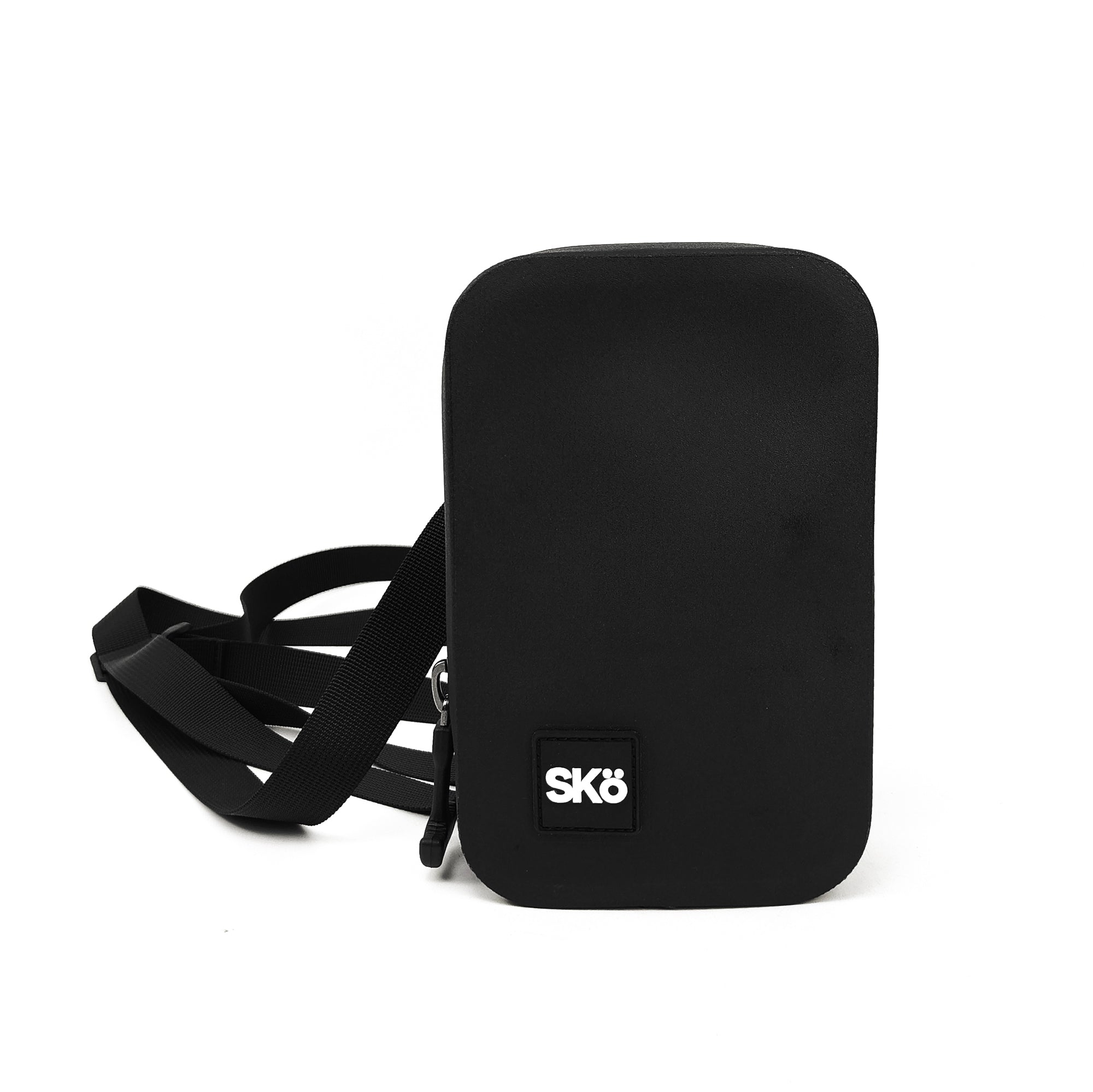
Sources
Explore more SKÖ guides
Prepare an emergency go-bag that keeps passports, electronics and other critical essentials protected from rain and flooding.
 Adventure Travel Essentials: What to Pack & Protect
 How to Keep Your Phone & Wallet Dry While Traveling
 How Waterproof Bags Actually Keep Water Out
 Understanding IPX Waterproof Ratings