

How to Keep Your Passport & Travel Documents Dry
Protect the original, separate the backup and change the protection level when the trip moves from ordinary transit into real water exposure.
Use a two-layer system: keep the original passport and critical documents in their own sealed primary protection, then keep backup copies somewhere else. The U.S. Department of State recommends copies of important travel documents and separating copies from originals.
A wet passport can become a travel problem, not just a wet-paper problem.
The U.S. Department of State lists significant liquid damage, stains and other physical damage among reasons a passport may need replacement rather than ordinary renewal.
That means the passport should not depend on the rest of your backpack, tote or suitcase staying dry. Give the original its own protection and make sure the backups do not share the same failure point. Our adventure travel essentials checklist covers the wider system for keeping irreplaceable gear protected.
Protect the original. Separate the backup.
Use a waterproof bag, sealed travel pouch or another protective layer appropriate to the water exposure you expect.
- Passport
- Visa or entry documents when applicable
- Paper reservations or permits when needed
- Any document that would be difficult to replace mid-trip
The State Department traveler checklist recommends copies of important travel documents and separating them from the originals.
- One copy with a trusted person at home
- One copy stored separately from the original
- A secure digital scan as an additional personal backup
- Sensitive copies protected from unauthorized access
Where travel documents actually get exposed to water.
Keep the passport away from liquids inside luggage and use a dedicated protective sleeve or sealed pocket.
Bring the passport only when the itinerary genuinely requires it. Otherwise secure lodging storage removes the water risk.
Use sealed protection inside the bag you carry aboard rather than assuming an ordinary purse or backpack will stay dry.
Keep documents in a sealed inner layer even when the outer luggage has rain-resistant fabric or a cover. For a rain-heavy itinerary, see the rainy vacation packing checklist for separating dry documents from wet clothes.
Copies help. They do not replace the original.
A photocopy or scan can support your records and recovery process, but it is not a substitute for the physical passport when the original is required for travel.
The State Department traveler checklist recommends copies of travel documents such as the passport ID page.
If theft, loss or water damage affects one storage location, the backup should not disappear with it.
A trusted person at home can still access key information if your bags and phone are unavailable.
Passport replacement and urgent-travel procedures can change, so use current State Department guidance rather than an old timeline.
Do not try to disguise significant damage.
Allow the document to dry carefully and assess its condition. Do not add unofficial markings, re-laminate pages or make modifications intended to hide damage. If the passport has significant liquid damage, stains, missing pages or other serious physical damage, follow the U.S. Department of State’s damaged-passport replacement process.
The 30-second document check.
Passport protection checklist
Common travel-document questions.
Can a water-damaged passport still be used?
Significant liquid damage can require replacement. If you are unsure, use the U.S. Department of State’s current damaged-passport guidance rather than assuming the document will be accepted.
Should I carry my passport to the beach?
Only when the itinerary genuinely requires the original. If secure lodging storage is available and the passport is not needed, leaving it behind removes the water risk entirely.
Is a digital scan enough as a backup?
A digital scan can be useful for records, but it does not replace the physical passport when the original is required. Keep digital copies secure.
Should passport copies be in the same waterproof bag?
No. Keep at least one backup separate so one lost, stolen or soaked bag does not take the original and every copy with it.
Build the rest of the travel system.
Keep the document with the phone, wallet and key you already protect.
The SKÖ Waterproof Crossbody is compact storage for passport-size travel essentials and uses a waterproof zipper for wet travel days. For different carry formats on long transit days, compare hands-free travel bag choices.
See the Waterproof Crossbody →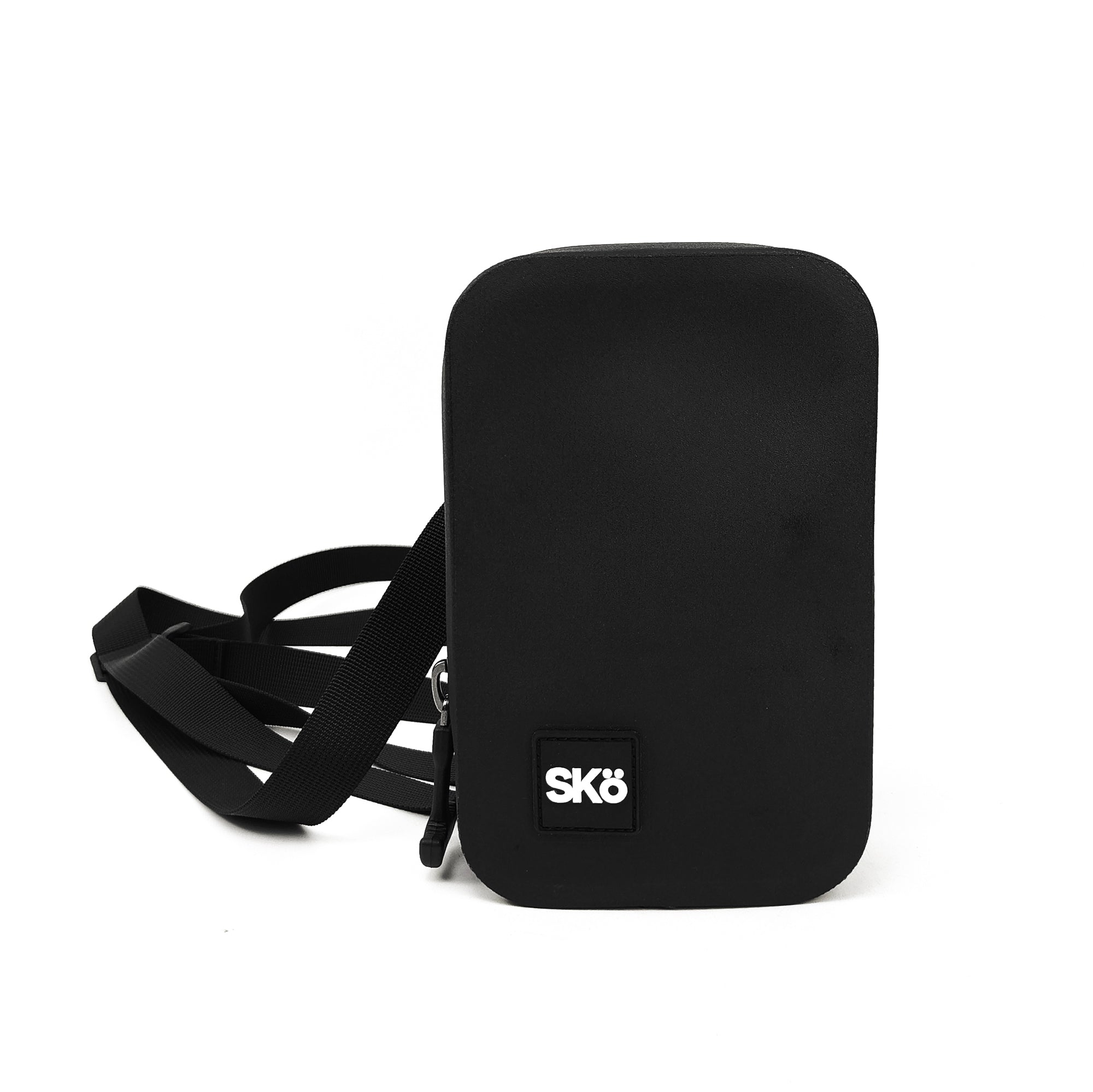
Explore more SKÖ guides
Protect important travel documents and other essentials with these practical packing guides.
 How to Keep Your Phone & Wallet Dry While Traveling
 Cruise Excursion Packing List: What to Actually Bring
 Adventure Travel Essentials: What to Pack & Protect
 Best Waterproof Crossbody Bags for Travel (2027): 5 Picks