


Why Is My Waterproof Zipper Hard to Open?
Why Is My Waterproof Zipper Hard to Open?
Last updated: August 27, 2026

A stiff waterproof zipper is usually doing exactly what it's supposed to — the fix is almost never force.
A waterproof zipper that's hard to open is almost always one of two things: grit or salt packed into the sealing track, or a dry seal that needs lubricant — not a broken zipper. Waterproof zippers are built to press two ridges together to block water, so they're always going to need more force and more maintenance than a normal jacket or backpack zipper.
That extra resistance is the tradeoff for the seal actually working. A standard coil zipper has gaps between the teeth that water slips through; a waterproof zipper (often a TIZIP-style design, sometimes called an airtight or sealing zipper) presses a continuous rubber or polyurethane ridge against a matching groove the entire length of the closure. That pressure is what keeps water out, and it's also exactly what makes the slider harder to move than you're used to.
Before you assume the zipper is defective, work through what's actually causing the resistance — most of the time it's fixable in under five minutes.
Why is my waterproof zipper hard to open?
Most stiff waterproof zippers are caused by sand, salt, or dirt packed into the sealing track, or a dry seal that's never been lubricated. Waterproof (TIZIP-style) zippers press two ridges together to block water, so they always need more force than a normal zipper — but heavy resistance, grinding, or a slider that won't budge usually means it needs cleaning and a silicone-based lubricant, not replacement.
Diagnose it before you force it
Forcing a stuck zipper is the single most common way people actually break one — either by tearing the slider off the track or splitting the seal itself, which turns a five-minute fix into a bag that no longer closes at all.
Sand, salt crystals, sunscreen, or dried saltwater residue in the sealing groove are the most common cause, especially after a beach or boat trip. Run a finger along the closed track — grit usually feels obvious.
With the bag still sealed, rinse the entire closure under a gentle stream of fresh, room-temperature water to flush out loose grit before you try to move the slider at all.
Move it an inch, then back, then forward again, gradually working down the track. This breaks up resistance without putting the full strain of a stuck section on one point of the zipper.
A dry seal is common on gear that's been stored for months or used heavily without maintenance. According to TIZIP's own handling guidance, sealing zippers need lubricant applied at regular intervals because they're inherently harder to move than conventional zippers — this isn't a defect, it's routine care.
Trapping moisture behind a closed waterproof seal for weeks is one of the more common causes of the musty smell and eventual seal breakdown people run into later.
How you apply the lubricant depends on the zipper style. Open-track sealing zippers get a small amount worked in about every four inches along the full length, then opened and closed a few times to spread it evenly, with the excess wiped off. Port-style sealing zippers, which stay closed and open through a separate port, are lubricated at the port opening rather than along the visible chain — check the specific closure type on your bag before applying anything, since the wrong method wastes lubricant without fixing the actual contact point.
When it's not dirt or dryness
If you've cleaned and lubricated the zipper and it's still difficult, check for a bent or misaligned slider, a section of the track where the ridge has visibly separated from the fabric backing, or fraying at the seam where the zipper meets the bag body. Those are structural issues that lubricant won't fix, and at that point the closure needs repair or replacement rather than maintenance — pushing through it risks tearing the waterproof seam entirely.
Is it normal for a waterproof zipper to be harder to open than a regular zipper?
Yes. Waterproof zippers press two sealing ridges together to block water, which inherently requires more force to slide than a standard coil or tooth zipper. Heavier-than-usual resistance is expected; grinding, catching, or a slider that won't move at all is not, and points to debris or a dry seal.
Can I use WD-40 on a waterproof zipper?
It's not recommended as a regular solution. Petroleum-based lubricants can break down rubber and polyurethane seals with repeated use. A silicone-based zipper lubricant made for sealing zippers is the safer long-term choice and won't degrade the material.
Sources
Fewer moving parts means fewer things to maintain — it's part of why a welded, zipper-free seal is worth considering if you're tired of babying a stiff waterproof zipper on a small everyday-carry bag.
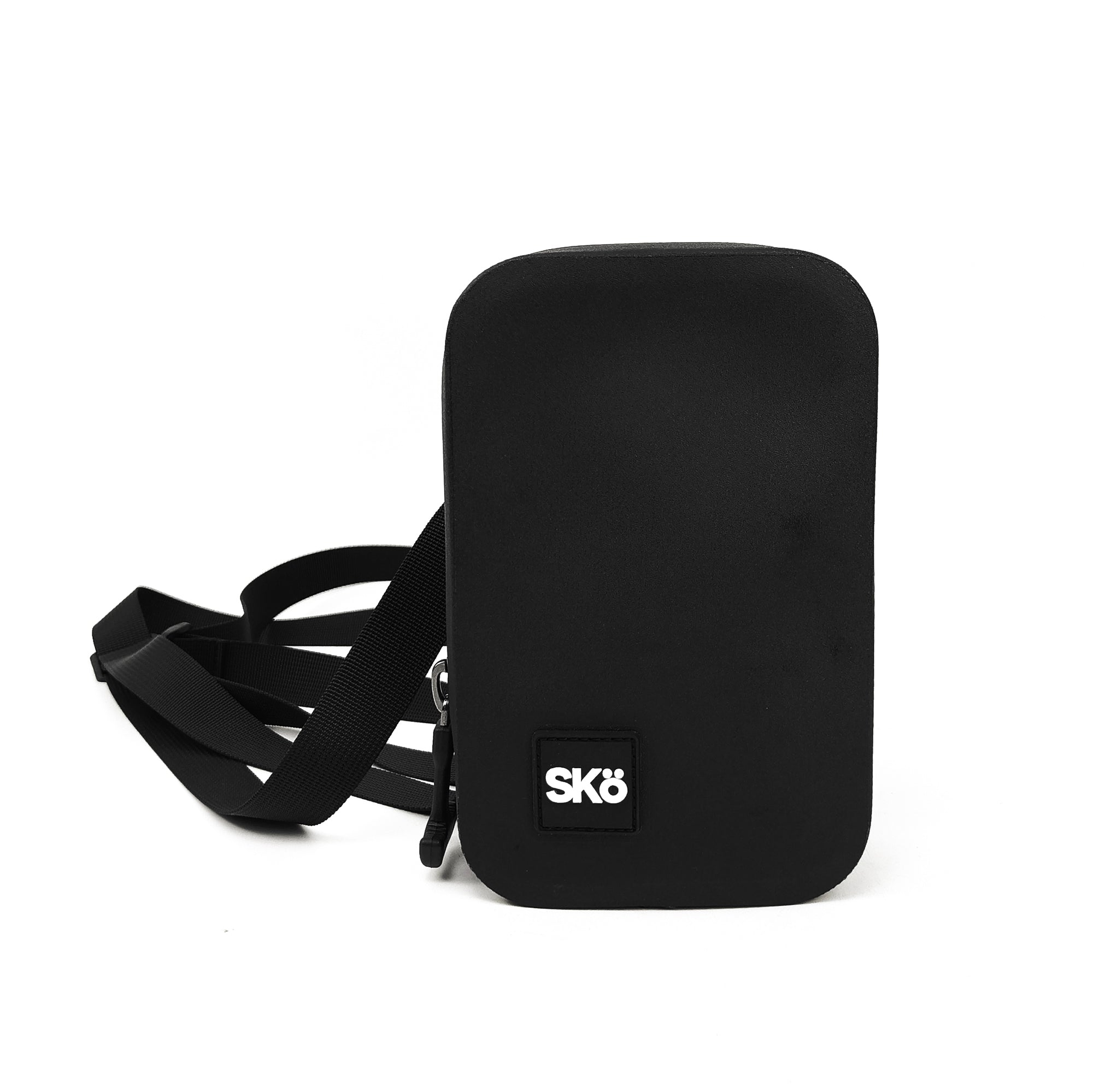
$80 · Limited Lifetime Warranty