

Lake Day Essentials Checklist: What to Actually Bring
A good lake-day checklist is not a giant packing list. It is a launch sequence: water safety first, weather second, sun and hydration next, then food, footwear, comfort and a secure place for the small valuables you do not want soaked or left on shore.
Bring a properly fitted U.S. Coast Guard-approved life jacket when boating and for children or anyone who needs added flotation in natural water, check the weather and local swim conditions, pack broad-spectrum sunscreen and shade, bring enough drinking water for the heat and activity, keep perishable food cold, use secure footwear when the shoreline or lake bottom warrants it, and protect your phone, keys and wallet in a waterproof enclosure if they will be close to the water. For children, close and constant supervision matters just as much as the gear.
The most important lake-day items are the ones you notice only when they are missing.
Towels, snacks and folding chairs make a lake day nicer. A correctly fitted life jacket, a weather check, enough hydration and active supervision can determine whether the day stays safe.
The old version of this article had the right instinct to prioritize safety, but several rules were too universal. It prescribed a life jacket for every swimmer regardless of activity, exactly one gallon of water per person, “reef-safe SPF 30+” sunscreen and a specific two-hour reapplication pattern “in the water.” Those are cleaner-sounding rules than the sources actually support.
This version separates boating requirements, natural-water safety, child supervision, heat, sun, food safety and valuables protection so the checklist changes intelligently with the lake day you are actually having.
Safety first. Exposure second. Comfort last.
Life jackets + supervision
Match the life jacket to the person and activity. Children near natural water need especially strong layers of protection and close supervision.
Weather + water status
Check the forecast, thunderstorm risk, wind and any swim-area advisories before people are already in the water.
Sun + hydration + food
Shade, sunscreen, water and safe food temperatures matter more as the day gets hotter and longer.
Footwear + valuables
Protect feet when conditions warrant it and give phone, key and wallet a defined waterproof home instead of a shoreline towel.
Set the shore up before anyone runs toward the water.
One simple setup reduces repeated decisions: know where the supervised swim area is, where PFDs live, where food stays cold and where phones and keys stay protected.
A PFD in the trunk does not help once someone is already on the dock, board or boat.
CDC recommends close and constant supervision around water and specifically warns supervising adults against distractions such as phone use or alcohol.
Keeping water and the cooler together makes refills and food-temperature control easier than scattering supplies across the shoreline.
Phone, key and wallet should not migrate between towels, coolers, dry clothes and the dock all day.
“Everyone must wear one all day” is not the same rule as “everyone on a boat needs one available.”
The U.S. Coast Guard says a wearable approved PFD must be carried for each person aboard a recreational vessel and recommends wearing one whenever the vessel is underway. CDC goes further for natural-water safety, recommending life jackets for children around natural water and noting that properly fitted life jackets can benefit adults as well, especially weaker swimmers.
Coast Guard fit guidance: choose the appropriate size and activity type, check the label, fasten it correctly, and make sure the jacket does not ride above the chin or ears.
Carriage requirements apply to recreational vessels, and state child-wear rules can add additional requirements.
CDC recommends life jackets for children during activities in and around lakes, rivers and other natural water.
A life jacket can provide an important safety layer for weaker swimmers of any age in natural water.
CDC warns that air-filled or foam toys are not safety devices and can create a false sense of security.
Lake weather can turn a casual day into an evacuation problem quickly.
National Weather Service boating guidance warns that thunderstorms can develop quickly and bring gusty winds, dangerous waves and lightning. On open water, the safer move is to head for shore or safe shelter early rather than wait for the storm to arrive.
Do not wait until clouds are already building over the lake to decide whether the afternoon looks risky.
NWS notes that rapid wind shifts can create dangerous wave conditions, particularly for small boats and paddlecraft. For more on this specific choice, see paddleboarding essentials for beginners.
NWS lightning guidance says swimmers and boaters should get to land and a safe enclosed building or hard-topped vehicle when storms threaten.
Standard NWS lightning guidance recommends remaining in safe shelter for 30 minutes after the last thunder.
Skip the “reef-safe SPF 30+ every two hours in the water” shortcut.
Use broad-spectrum SPF 15+ at minimum.
CDC's current baseline is broad-spectrum SPF 15 or higher. Many people choose SPF 30+ for longer outdoor days, but the important part is adequate coverage and reapplication.
After swimming, sweating or toweling.
CDC says sunscreen wears off and should also be reapplied when you have been outside for more than two hours.
Use shade, hats and clothing too.
Sunscreen works best as one part of sun protection, not the entire strategy. Add shade, protective clothing and sunglasses.
There is no universal “one gallon per person” lake-day rule.
Hydration needs change with heat, humidity, body size, activity and trip length. CDC's current extreme-heat guidance focuses on staying hydrated, taking shade breaks and reducing exposure during the hottest parts of the day rather than prescribing one exact outdoor volume for everyone.
A lake access point may not have a concession stand, potable tap or easy way to replace water after you arrive.
Swimming, paddling and direct sun add exertion even when being in the water makes the day feel cooler.
CDC recommends staying in the shade, taking breaks and moving strenuous activity toward cooler parts of the day when heat risk is elevated.
The food rule matters more than the snack list.
Bring foods your group will actually eat, but treat perishable food as temperature-sensitive gear. USDA guidance says cold foods should stay at or below 40°F, and food should not sit in the 40–140°F “danger zone” for more than two hours, or more than one hour when the outside temperature is above 90°F.
Keep perishables cold rather than relying on shade alone once the day becomes hot.
Two hours is the normal USDA limit; above 90°F, that falls to one hour.
Fruit, packaged snacks and other nonperishable foods reduce cooler management for short day trips.
Do not turn the same cooler into food storage, wet-swimsuit storage and a place for dirty shoreline gear.
Natural water adds hazards a pool does not have.
Water quality
CDC recommends checking whether a natural swimming area is monitored, under advisory or closed before you go. This is especially important after heavy rain, which can wash contamination into swim areas.
Stay out when closure signs are posted or the water looks unusually cloudy, discolored or smells bad.
Foot protection
Water shoes make sense when the shoreline or bottom is rocky, sharp, hot or unfamiliar. They are not mandatory for every sandy lake, but they can protect against cuts and slips in rough access areas.
Do not turn one regional hazard such as zebra mussels into a universal reason every lake visitor needs shoes. Check the actual lake conditions.
Supervision is a role, not a general group responsibility.
Name the adult who is watching.
CDC recommends a responsible adult provide close and constant supervision when children are in or near water, even when lifeguards are present.
The supervising adult should actually supervise.
CDC specifically warns against reading, phone use and alcohol or drugs while watching children because drowning can happen quickly and quietly.
Check each child's life jacket.
Coast Guard guidance says adult-sized life jackets may not work for children. Check the label and fit the jacket to the child's actual size.
A shoreline towel is not a storage system.
The goal is simple: phone, car key and payment method should stay dry, together and easy to account for when everyone leaves the shore.
It is low-profile and some models allow camera and touchscreen use while the phone stays sealed.
A compact crossbody or waist pack can keep the whole valuables kit together rather than leaving half of it on shore.
A waterproof enclosure can still trap moisture that enters from damp contents.
Rain resistance, waterproof construction and submersible protection are not interchangeable categories. For more on this specific choice, see waterproof bag options for boating. If your lake outing involves a personal watercraft, use our jet-ski waterproof bag guide to compare on-body carry with the much more limited onboard storage.
A shore picnic and a boat day do not need the same loadout.
| Trip type | Core additions | What changes |
|---|---|---|
| Shore-only visit | Shade, sunscreen, water, food, towel, first aid, secure valuables storage | Life-jacket use depends on who is entering natural water and their needs |
| Swimming day | Properly fitted life jackets where appropriate, active supervision, water shoes if needed | Add swim-area advisory check and clear supervision plan |
| Kayak / paddleboard day | Activity-appropriate PFD, weather / wind plan, secured drinking water, protected phone / key | Boat or board safety gear becomes part of the checklist |
| Motorboat day | Required PFDs, vessel safety equipment, weather monitoring, secured gear | Follow federal, state and local boating requirements for the vessel |
| Long hot day | More water capacity, shade, cooler management, extra sun protection | Heat management becomes a primary planning issue |
The 60-second lake-day check.
Lake day essentials checklist
Lake day packing questions.
What should I bring for a day at the lake?
Start with the safety and exposure basics: appropriate life jackets, a weather and swim-area check, sun protection, drinking water, safe food storage, a first-aid kit, footwear if the shoreline or lake bottom warrants it, towels and dry clothes, plus waterproof storage for valuables that will be close to the water.
Does every swimmer need to wear a life jacket at a lake?
CDC recommends life jackets for children during activities in and around natural water and says properly fitted life jackets can benefit people of all ages, especially weaker swimmers. Boating has separate carriage and wear rules. Follow local law and use the jacket appropriate for the person's ability and activity.
How much water should I bring?
There is no one-size-fits-all lake-day number. Needs change with temperature, humidity, activity, body size and time outdoors. Bring enough for the full group with extra margin, increase the plan on hot active days, and do not assume you can refill at the lake.
How often should I reapply sunscreen?
CDC recommends broad-spectrum sunscreen with SPF 15 or higher and says to reapply after swimming, sweating or toweling off, and after more than two hours outside.
How long can food stay out at the lake?
USDA says perishable food should not remain in the 40–140°F danger zone for more than two hours, or more than one hour when the outside temperature is above 90°F. Keep cold food at or below 40°F in a cooler with ice or cold packs.
Should I check lake water quality before swimming?
Yes when monitoring information is available. CDC recommends checking whether the swim area is under an advisory or closure and being especially cautious after heavy rain or when the water looks unusually cloudy, discolored or smells bad.
Plan the rest of your lake day
Compare waterproof carry and pack for the activities you actually have planned.

Waterproof crossbody bag picks

Boating essentials checklist

Waterproof bags for boating

Beach day essentials
Also explore: Waterproof gear by activity · Kayaking · Paddleboarding
Phone, key and wallet in one waterproof zone.
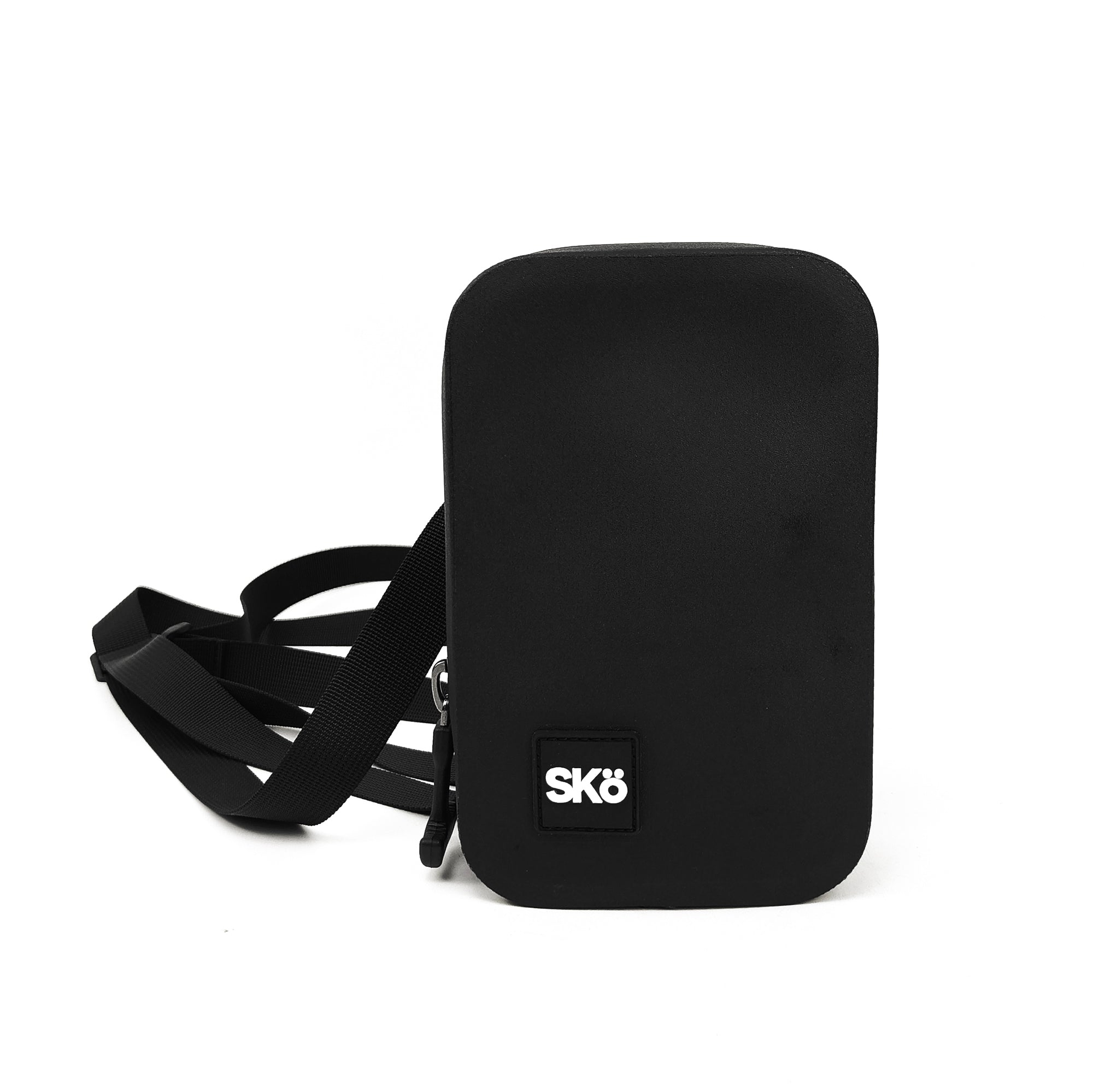
The SKÖ Waterproof Crossbody is compact storage for the small essentials that are easy to lose or soak around the lake. It is not a cooler, towel bag or substitute for safety gear. Its job is much narrower: keep the valuables kit together and protected.
SKÖ currently publishes an IP68 rating, approximately 1.14 L capacity, 1680D TPU construction, a waterproof zipper, dimensions of 7.5 × 4.7 × 2 inches and an approximate weight of 13 oz. The current product page describes the finished bag as waterproof and submersible when the zipper is fully and properly closed.
Waterproof performance still depends on closing the zipper completely and using the bag within its published guidance.
Sources
- CDC, Summer Swim Safety
- CDC, Preventing Drowning
- U.S. Coast Guard, Life Jacket Wear and Fit
- National Weather Service, Safe Boating and Changing Weather
- CDC, Sun Safety
- CDC, Heat and Hydration Guidance
- USDA FSIS, Food Safety Danger Zone
- CDC, Safely Visiting Lakes and Rivers
- SKÖ Gear, Waterproof Crossbody Product Specifications