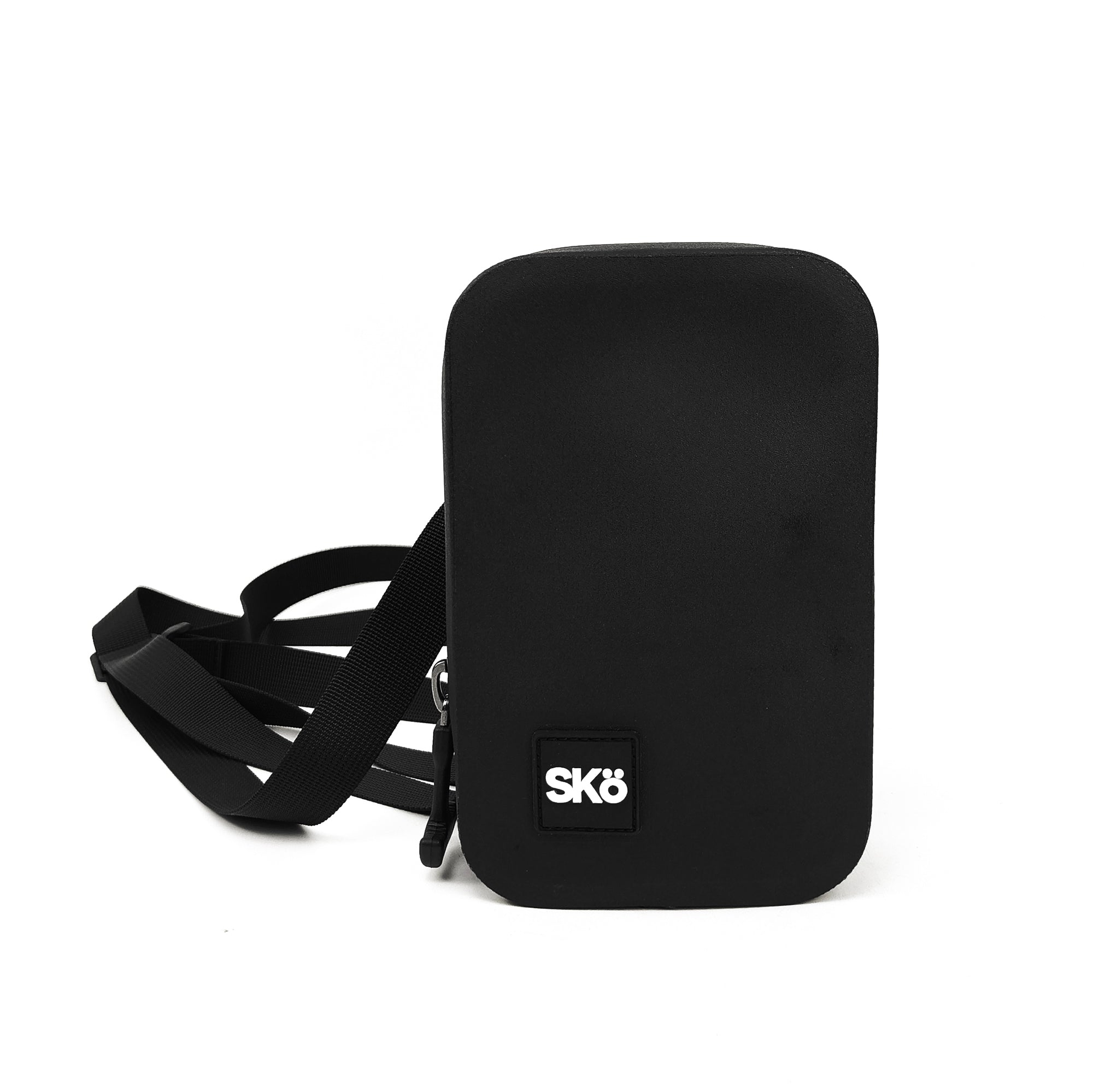

Roll-Top vs. Waterproof Zipper: Which Dry Bag Closure Wins?
One closure prioritizes simple mechanical sealing. The other prioritizes fast access. The better choice depends less on which design looks tougher and more on how often you open the bag, what kind of water exposure you expect, and how well the specific product is actually built.
Roll-top closures are simple, have few hardware failure points, and work especially well when you can seal the bag once and leave it closed. Waterproof zippers are much faster when you need repeated access throughout the day, but their sealing surfaces need to stay clean and properly maintained. Neither closure type automatically guarantees a particular submersion rating, so the specific product's construction and manufacturer rating still matter.
The closure type does not determine the whole bag.
Roll-top versus waterproof zipper sounds like a simple contest until you compare two actual bags. A badly designed roll-top can underperform. A well-built waterproof zipper can provide serious water protection. If you are also comparing bag types, our dry bag versus waterproof bag explainer clarifies where the terms overlap.
The difference is the sealing mechanism. A roll-top creates a barrier by folding layers of flexible material over themselves and securing that roll so it cannot unwind.
A waterproof zipper uses a purpose-built sealing track. Instead of repeatedly folding the bag body, you move a slider across the opening and seat the sealing surfaces together. For a detailed explanation of the seal, see how waterproof zippers actually work.
That difference affects more than water. It changes access speed, maintenance, packing style, shape, failure points and how frustrating the bag becomes if you need something from it every ten minutes.
These closures stop water in completely different ways.
Understanding the mechanism makes the tradeoff much easier to see. One relies on folded material. The other relies on a precision sealing interface.
The bag itself becomes the seal.
Multiple tight, straight folds create layers the water has to travel through. The buckle or closure then keeps the roll from unwinding.
The sealing track becomes the barrier.
The zipper brings two sealing surfaces together along one continuous opening, giving you fast access without repeatedly rolling the bag body.
Waterproofing is only one part of the decision.
A closure can be excellent at keeping water out and still be annoying for the way you use the bag. Look at the entire interaction, not one waterproof adjective.
The basic system uses folded material rather than a long precision sealing track.
- Few moving parts
- Easy mechanism to inspect
- User technique matters
A zipper can turn repeated access into one quick motion instead of an unclip, unroll, repack and reroll cycle.
- Faster repeated access
- Easier visual organization
- Useful for cameras and daily carry
Zipper tracks need more attention because contamination at the seal can affect closing performance.
- Sand can interfere
- Salt should be rinsed away
- Compatible lubrication may be required
A zipper can support more conventional openings, compartments and structured packing layouts.
- Wider opening possible
- More familiar access
- More mechanical components
The fold count is part of the closure.
A roll-top is not sealed simply because the opening has been rolled once. Manufacturers commonly specify multiple tight rolls before securing the closure.
Sea to Summit, for example, instructs users to align the stiffening strips and roll the top down multiple times before fastening the buckle. That is important because the folds are not merely excess material. The folds are the sealing system.
Overpacking can reduce the amount of material available to make the closure correctly.
A loose, crooked roll does not create the same layered barrier as a deliberate closure.
Do not assume one or two casual folds are equivalent to the closure method the bag was designed around.
The buckle or fastening system keeps the folded section from relaxing or unwinding during use. If the hardware cracks or stops holding the roll, see our guide to broken dry-bag buckles and repair options before trusting the closure around valuables.
The sealing track has to stay clean enough to seal.
Sand, dried salt and grit can interfere with a sealing surface. A waterproof zipper should be treated like functional hardware, not like an ordinary jacket zipper. If it becomes stiff or difficult to operate, see why waterproof zippers get hard to open and how to care for them.
Sand and salt are particularly relevant after beaches, rafting trips and saltwater use.
If closing suddenly requires unusual force, inspect the sealing area rather than pulling harder and hoping it seats correctly.
Storing wet, dirty equipment closed can leave moisture and residue sitting directly around the sealing system.
Waterproof zipper manufacturers may prescribe compatible lubricant to keep the slider operating correctly.
How often will you actually open the bag?
This may be the most useful question in the entire comparison. If you close a bag at the beginning of a trip and leave it sealed until the end, extra opening speed has very little value.
If you are reaching for equipment all day, repeating a roll-top closure every time can become the bigger problem.
You seal once and leave it alone.
- Rafting gear storage
- Kayak spare clothing
- Boat gear
- Camping equipment
- Items accessed only occasionally
- You value simple closure architecture
You need repeated access.
- Camera equipment
- Electronics
- Day bags
- Frequently used accessories
- Organized compartments matter
- You are willing to maintain the closure
Do not start by asking which closure is “best.”
Start with the environment and your use pattern, then evaluate the actual product.
Rain, spray, a quick dunk and prolonged immersion are different engineering problems.
Look for the specific manufacturer's water rating or use guidance instead of relying only on the closure style.
Opening once per trip and opening twelve times per hour produce very different priorities.
If you hate cleaning hardware, a closure dependent on a clean sealing track may frustrate you.
The winner should be the closure that fits the job rather than the one with the toughest-sounding label.
Roll-top vs. waterproof zipper at a glance.
| Factor | Roll-Top | Waterproof Zipper |
|---|---|---|
| Closure mechanism | Multiple folds of flexible bag material secured in place. | Purpose-built sealing track closed by a slider. |
| Access speed | Slower. Unclip, unroll, access, reroll and secure. | Faster for repeated access. |
| Maintenance | Generally simple. Keep the closure area clean and undamaged. | Track cleanliness and product-specific zipper care matter. |
| Packing style | Works well for larger gear and items accessed infrequently. | Works well for structured bags and organized quick-access gear. |
| Common user error | Too few rolls, loose rolls or overpacking the bag. | Incomplete closure, debris in the track or neglected maintenance. |
| Best question to ask | Can I close this once and leave it closed? | Will I be opening this repeatedly throughout the day? |
| Water rating | Depends on the actual product, construction and manufacturer claim. | Depends on the actual product, zipper system and manufacturer claim. |
The activity can be identical while the right closure changes.
Phones and spare gear stay sealed.
Imagine a rafting group puts spare clothing and valuables into a larger dry bag at the launch and does not need them again until later in the day. A roll-top can make excellent sense because repeated access is not the priority.
The camera is accessed constantly.
A photographer on the same raft may need to open the protective case before and after multiple rapids. Fast access becomes far more valuable, making a properly designed waterproof zipper much easier to live with.
Buy the whole bag, not just the closure.
A closure mechanism can tell you what tradeoffs to expect. It cannot tell you whether the entire product was designed, assembled and rated for the environment you plan to put it in.
Before buying, check these six things
The questions that matter before trusting the seal.
Can a roll-top dry bag be submerged?
That depends on the specific product. Correctly closing the roll-top is essential, but closure style alone does not establish a depth or duration rating. Check the manufacturer's instructions and intended use for the individual bag. Waterproof construction also does not guarantee that a bag will float. See why dry bags sometimes sink for that separate issue.
Do waterproof zippers require maintenance?
They can. Sand, salt and grit should be removed from the sealing area, and some zipper systems call for compatible lubricant. Follow the care instructions supplied with the specific zipper or bag.
Is a waterproof zipper less waterproof than a roll-top?
Not automatically. Both systems can be used in products designed for serious water exposure. The actual bag construction, zipper or closure system, correct use and manufacturer rating matter more than making a blanket judgment from the closure category alone.
Which closure is better for kayaking?
For larger gear that stays sealed most of the trip, a roll-top is often convenient and simple. For equipment you need to access repeatedly, a properly rated waterproof zipper may be easier. Match the individual product to the water exposure you expect.
More from SKÖ.
Explore waterproof bag closures, real-world use and care guides.

Seal a roll-top dry bag properly
Steps to prevent leaks and closure mistakes.

Are dry bags actually waterproof?
Understand protection claims and limitations.

Dry bag vs. waterproof bag
Learn how the designs and uses differ.

SKÖ vs YETI SideKick Dry
Compare two compact waterproof storage options.
Explore all waterproof gear guides or the SKÖ waterproof crossbody.
Protect the phone, wallet and key without carrying the whole gear bag.
Roll-tops make sense for larger loads. Waterproof zippered bags make sense when fast access matters. But sometimes the real problem is smaller than either one.
If the important load is a phone, wallet, cards and keys, a compact waterproof crossbody can keep those essentials together and on your body instead of burying them inside a larger dry bag.