

Jet Ski Day Trip Checklist: What to Bring & Plan
The gear list is the easy part. A full day works when the forecast, float plan, fuel margin, legal requirements and return time are settled before the engine starts.
Bring a properly fitted non-inflatable life jacket for every rider, the engine cut-off lanyard, required onboard equipment for your state, sun protection, water, and sealed storage for your phone and car key. Also check the forecast, leave a float plan, start with enough fuel for the trip plus reserve, and plan to be back before the local PWC operating-hours cutoff.
A jet ski day trip is a route plan, not a tote-bag checklist.
If the trip only works when the weather stays perfect, the tank hits empty at the ramp and sunset arrives exactly on schedule, the plan has no margin.
Federal and state PWC rules vary, so the examples below show the kinds of requirements riders encounter. Check the laws for the water you will actually ride.
Settle four things before you load the trailer.
The National Weather Service recommends checking the local forecast and current observations before heading out.
The Coast Guard recommends leaving a float plan so your route, people and expected return are documented.
Pennsylvania boating guidance uses a one-third rule: a third out, a third back and a third in reserve.
Check the PWC rules for the state and waterway you are using rather than relying on a generic checklist.
The bag comes after the life jacket and lanyard.
Florida, Virginia and Pennsylvania examples all require PWC riders to wear approved life jackets and prohibit inflatable PFDs for this use.
State rules and the Coast Guard’s federal engine cut-off requirements make the lanyard part of the operating setup, not an optional accessory.
Pennsylvania, for example, requires a charged fire extinguisher and a sound-producing device on a PWC.
Virginia and Pennsylvania prohibit operation between sunset and sunrise; Florida uses a different half-hour window. Check your state.
What matters at each point of the day.
Fuel with everyone ashore.
Start the day full enough for your route and reserve. Pennsylvania fueling guidance tells passengers to get off before fueling and re-board after fueling is complete and fumes have cleared.
Suit up before the engine starts.
Every rider in the right life jacket. Lanyard attached to the operator. Sunscreen applied. Phone, key and one payment method already sealed.
Watch fuel, weather and no-wake zones.
The return leg is not optional. Wind, current and weather can make one direction consume more fuel than the other.
Refuel the riders.
Drink water, eat, reapply sunscreen and use shade. Pull a dry layer or towel from protected storage if the day cools off.
Leave enough margin to beat the cutoff.
Work backward from local operating-hour rules and account for slow approaches and no-wake zones near the ramp. Close the float plan when you are safely back.
Anything that can strand you belongs in a different category from bulky gear.
Phone, car key, ID/card
- Keep separately sealed
- Use a carry method that does not interfere with the life jacket or lanyard
- Do not assume a storage compartment is watertight unless the owner’s manual says so
Towel, food, dry layer, bulk gear
- Use dry bags as needed
- Keep weight and access practical
- Protect electronics separately from wet towels and leaking bottles
Thirty seconds before you leave the ramp.
Jet ski day-trip check
Keep the day-trip system together.
Small essentials deserve their own sealed zone.
The SKÖ Waterproof Crossbody is compact storage for small essentials around wet days. It is not flotation or safety equipment, and your life jacket, lanyard and required PWC equipment come first.
See the Waterproof Crossbody →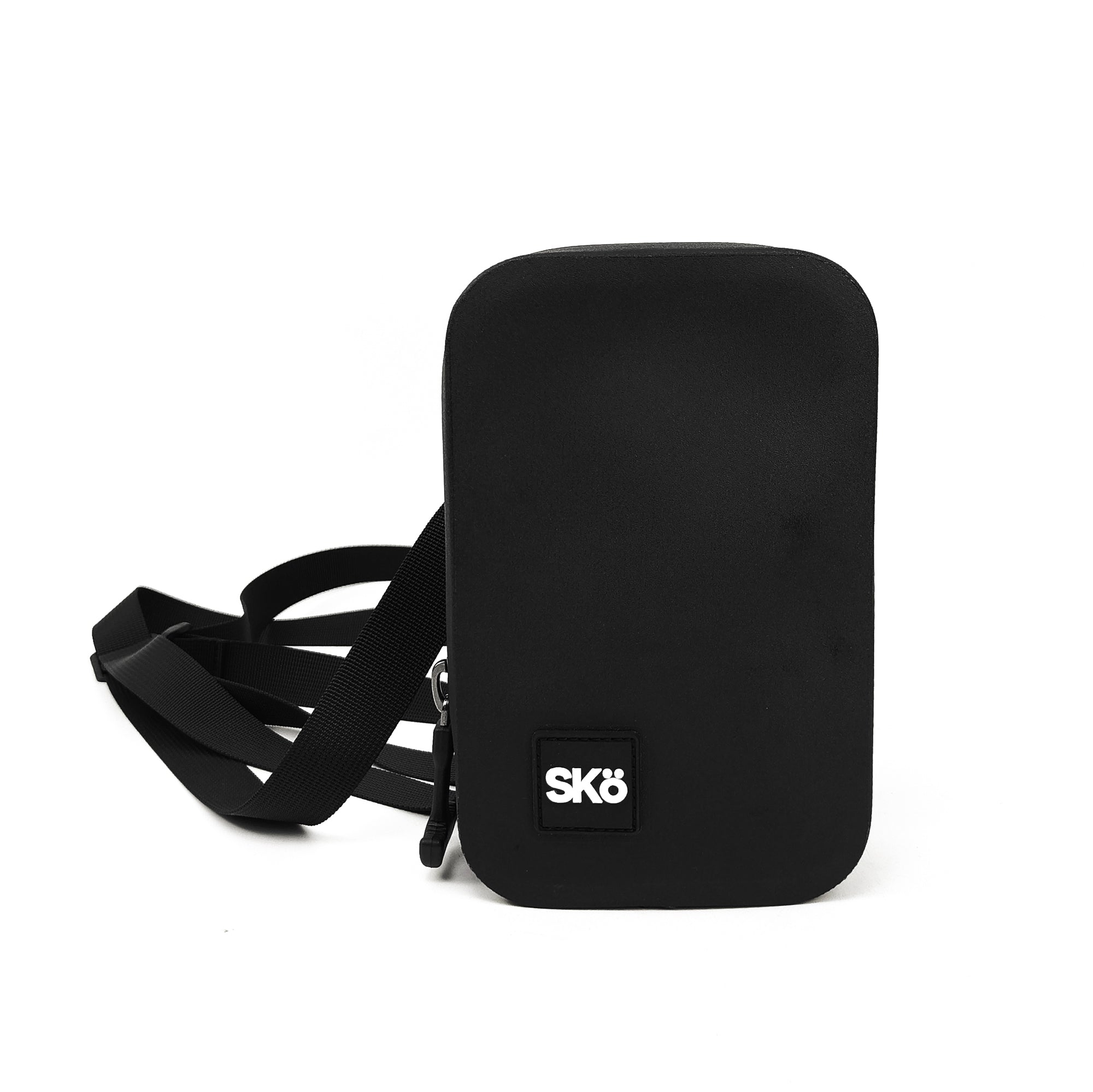
Sources
- U.S. Coast Guard — Engine Cut-Off Devices
- U.S. Coast Guard — Float Plan
- National Weather Service — Safe Boating: Before You Go
- Florida FWC — Boating Regulations
- Virginia DWR — PWC Regulations
- Pennsylvania Fish & Boat Commission — Personal Watercraft
- Pennsylvania Fish & Boat Commission — Safe Fueling
Explore more SKÖ guides
Plan a safer day on the water with jet ski gear, boating checklists and practical waterproof storage ideas.
 Best Waterproof Bags for Jet Skiing (2027): Wear vs Stow
 Boating Essentials Checklist: What to Bring for a Day on the Water
 Lake Day Essentials Checklist: What to Actually Bring
 Best Small Waterproof Bags for Phone, Wallet & Keys (2027)