

IPX7 vs IPX8: Waterproof Ratings Explained
IPX7 gives you a fixed immersion condition. IPX8 tells you the test was more severe, but you still need the manufacturer’s actual depth and time.
IPX8 is the higher rating, but it is not one fixed number. Two IPX8 products can be tested at very different depths and durations. Before trusting an IPX8 claim, find the stated depth and time.
IPX7 tells you the condition. IPX8 tells you to read the fine print.
Both ratings come from IEC 60529, the standard used to describe how well an enclosure keeps out solids and water.
An “X” means the solids digit is not being stated. The final digit is the water-protection level. That is why IPX7 and IPX8 are water claims rather than complete dust-and-water ratings.
Every character carries a different part of the claim.
The rating system describes enclosure protection against solids and/or water.
The “X” does not mean zero protection. It means that solids rating is not being represented in this code.
IPX7 is the fixed immersion level discussed by the testing references used here.
The depth and duration come from the manufacturer or test plan rather than one universal IPX8 number.
IPX7 vs IPX8 at a glance.
| Factor | IPX7 | IPX8 |
|---|---|---|
| Depth | 1 meter | More than 1 meter, with the exact condition set by the manufacturer/test plan |
| Duration | Typically 30 minutes in the references used here | Set by the test plan or manufacturer |
| Severity | Baseline immersion test | Conditions must be more severe than IPX7 |
| What the label alone tells you | The basic immersion condition is defined | You still need the manufacturer’s depth and duration |
| Example from Apple | IP67 examples include 1 meter for up to 30 minutes | Apple publishes a specific depth and time for current IP68 models rather than relying on “8” alone |
Choose by the exposure you are trying to survive.
IPX7 can be enough when…
- The realistic risk is a short, shallow dunk
- You want a standardized baseline without hunting through a spec sheet
- Your actual use does not require deeper immersion
Look for IPX8 with numbers when…
- The gear could end up deeper than 1 meter
- It may remain submerged longer
- You are comparing two IPX8 products and need the actual test conditions
Real use adds wear, moving water, pressure, impacts, aging seals and user error.
Apple states that splash, water and dust resistance are not permanent conditions and can decrease with normal wear. Apple also warns against pressurized or high-velocity water for rated phones. The larger lesson is useful beyond phones: a rating describes the conditions of a test, not every environment a product may encounter.
That is why “higher number” should never replace reading the maker’s actual instructions.
Five questions before you trust an IPX8 claim.
IPX8 claim checklist
Keep decoding waterproof claims.
Read the product claim, not just the category label.
SKÖ’s Waterproof Crossbody is designed for compact essentials such as a phone, wallet and keys and uses a waterproof zipper. When evaluating any waterproof bag, the same rule applies: use the manufacturer’s actual performance guidance rather than assuming an unstated depth or duration.
See the Waterproof Crossbody →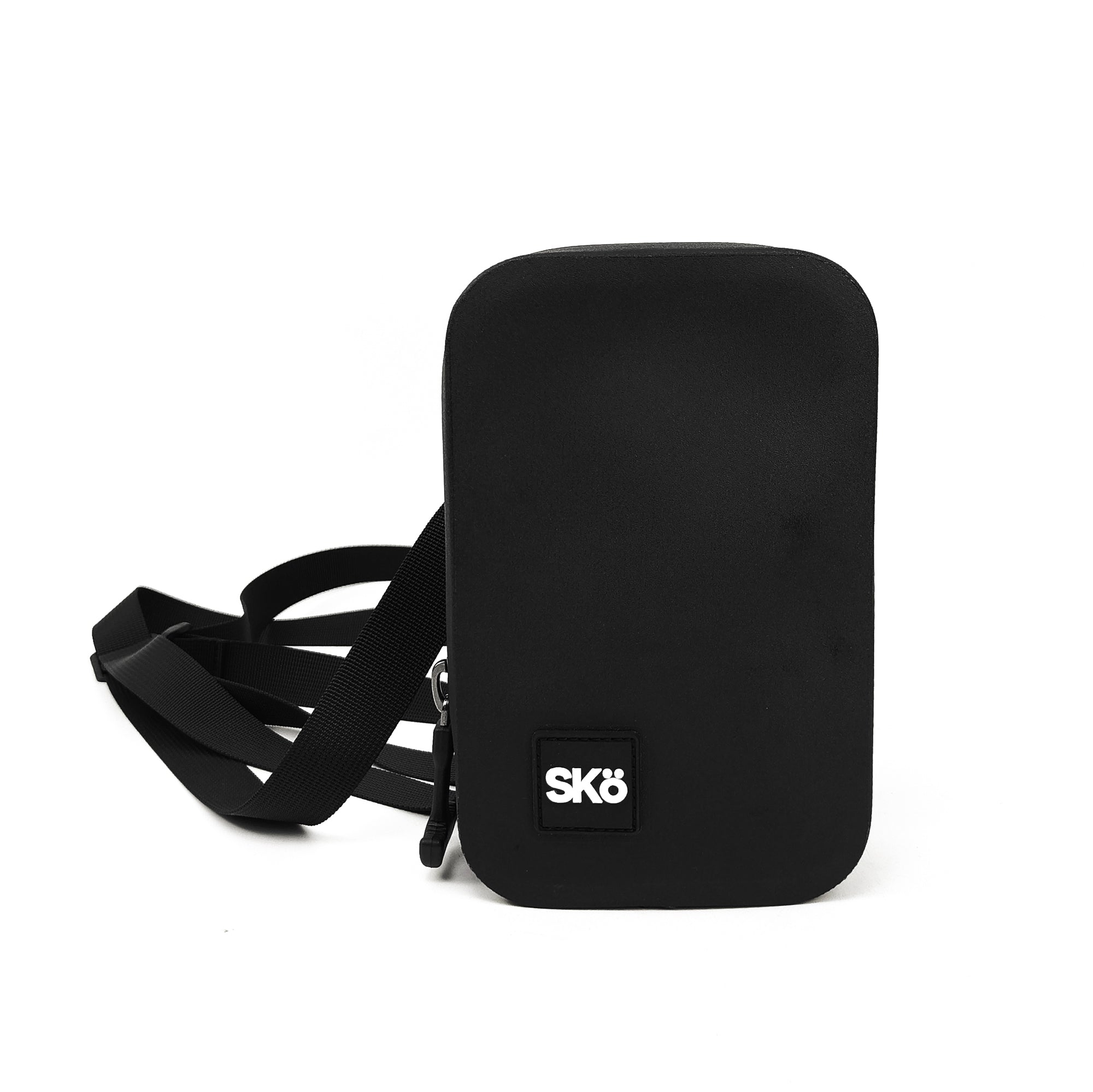
Explore more SKÖ guides
Go deeper into waterproof ratings, material protection and how different closures handle water.
 Understanding IPX Waterproof Ratings
 Waterproof vs. Water-Resistant: What's the Actual Difference?
 How Waterproof Bags Actually Keep Water Out
 Can a Dry Bag Be Fully Submerged?