

What to Pack for a Water Park
The smartest water-park bag is not the one with the most stuff. It is the one that separates ride-safe essentials, locker gear, sun protection and the few valuables you cannot afford to soak or lose.
Pack swimwear, a dry change of clothes, water-resistant broad-spectrum sunscreen, towels if the park does not provide them, footwear allowed by that park, drinking water or a refillable bottle if permitted, and a plan for valuables. Keep bulky gear in a locker or home base. Keep only truly necessary small items close, and follow each attraction's rules because phones, keys, bags, water shoes and other loose articles may have to come off before a slide.
The water park has three different packing environments.
There is the stuff you wear through the park, the stuff that belongs in a locker or cabana, and the stuff you should not bring at all. Treating all three as one packing list is what creates the overloaded tote, the wet phone and the repeated walk back across the park.
The original version of this article correctly focused on sunscreen, dry clothes and phone protection, but it went too far by implying that keeping a phone, wallet and key on your body all day was always the best answer. Many water parks restrict loose articles on attractions, and some slides also restrict footwear, metal hardware or other items that can interfere with the ride.
The practical goal is not “carry everything.” It is know where every item belongs before the first slide.
Pack these first. Everything else is park-specific.
Swimwear
Choose a suit that meets the park's ride rules. Exposed metal, zippers, buckles or rivets may be restricted on some attractions.
Water-resistant sunscreen
Use a broad-spectrum sunscreen and follow its 40- or 80-minute water-resistance label when swimming or sweating.
Dry clothes
A complete change makes the drive, restaurant stop or hotel shuttle far more comfortable after hours in wet swimwear.
Towels
Bring them if the park does not provide or rent them. Some resort water parks include towels, so verify before carrying extras.
Water-friendly footwear
Useful on hot pavement and wet walkways, but some slides prohibit footwear. Check attraction signage before riding.
Water plan
Bring a refillable bottle when permitted, or know where refill stations and drinking water are available inside the park.
Locker strategy
Bulky gear, backup cards, dry clothes and anything prohibited on rides need a defined home before the group spreads out.
Valuables plan
Phone, key and payment method need waterproof protection plus a plan for attractions that require all loose articles to be stored.
Wear it, lock it, or leave it.
Small items you may want between attractions, but only when the park and ride rules allow the carry method.
Dry clothes, towels, extra sunscreen, backup card, snacks and other bulky things you do not need on every ride.
Jewelry, unnecessary electronics, extra cards, full-size toiletries and anything expensive with no job at the park.
Why this is better than “keep everything on you.”
A waterproof bag can protect contents from water, but that does not override attraction rules. Six Flags White Water, for example, currently restricts loose articles including phones, keys, purses and backpacks on rides and attractions. Other parks may allow a wearable item in some areas and require it to be removed elsewhere.
The park's safety rules outrank your packing system.
Water-park restrictions are highly attraction-specific. The safest packing plan assumes that some items will have to come off even if they are waterproof, secure or comfortable.
Six Flags White Water currently restricts loose articles on rides and recommends lockers or a non-rider for personal belongings.
Some parks recommend water shoes for walking but prohibit footwear on specific body slides or attractions. Read the sign at each ride.
Disney currently prohibits swimwear with exposed metal, buckles, rivets, zippers or other sharp objects on water-park attractions.
Park-provided or approved life jackets may be available for weaker swimmers. Inflatable toys and non-approved flotation are not substitutes for supervision.
Do not use one two-hour timer as the whole sun plan.
FDA water-resistant sunscreen labels state either 40 minutes or 80 minutes of water resistance. The label also calls for reapplication immediately after towel drying and at least every two hours.
CDC recommends broad-spectrum SPF 15 or higher together with shade, protective clothing, hats and sunglasses.
In the U.S., “water resistant” sunscreen is labeled for either 40 or 80 minutes of swimming or sweating. “Waterproof sunscreen” is not an FDA-approved claim.
Reapply after the labeled water-resistance period, immediately after towel drying and at least every two hours.
FDA recommends protecting sunscreen containers from excessive heat and direct sunlight.
A lifeguard is not a replacement for your assigned adult.
Watch closely and constantly.
CDC recommends designating a responsible adult to supervise children closely and continuously whenever they are in or near water, even when lifeguards are present.
Put the phone away when you are the watcher.
The supervising adult should avoid distracting activities such as phone use, reading or alcohol because drowning can happen quickly and quietly.
Use a real life jacket when needed.
CDC notes that properly fitted life jackets can be used by weaker swimmers around pools. Do not treat air-filled toys or foam play items as safety devices.
Use the smallest valuables kit that still solves the day.
Carry when permitted
- Phone
- One payment card
- Car key or hotel key
- ID if you actually need it
- Small critical medication if appropriate
Better in the locker
- Backup cards
- Dry clothes
- Extra sunscreen
- Towels
- Snacks / cooler if allowed
- Anything prohibited on attractions
The locker is not a failure of the packing system. It is the home base for everything that does not need to be moving through slides, stairs, wave pools and splash areas with you.
Water parks disagree on the details.
Pack for six hours outside, not the five-minute walk from the car.
Have a drinking-water plan for the whole group and use refill stations where the park provides them.
Build breaks into the day instead of waiting until everyone is overheated, sunburned or exhausted.
Outdoor attractions can close temporarily for lightning, wind or other severe weather. Check the forecast and the park's operating updates.
A light dry shirt or cover-up can make food breaks, indoor spaces and the ride home much more comfortable.
Starting protected is easier than trying to cover wet skin while kids are already moving toward the slides.
Eat, hydrate, reapply sunscreen and reset the valuables/locker system instead of waiting until the group is drained.
Dry clothing, a final hydration stop and a quick valuables check make the exit much easier.
The easiest bag to manage is the one without useless extras.
Extra electronics
A tablet, camera kit or second phone adds water risk and locker clutter unless it has a specific job that day.
Jewelry
Slides, wave pools and locker changes are a bad environment for jewelry you would be upset to lose.
Multiple payment cards
Carry one primary payment method if needed and keep backups somewhere safer than the same wet-day bag.
Bulky cooler gear
Outside-food rules vary dramatically. Verify what the park allows before carrying a cooler through security.
The 60-second water-park check.
Water park packing checklist
Water park packing questions.
What should I pack for a water park?
Start with swimwear, sunscreen, dry clothes, towels if needed, water-friendly footwear allowed by the park, water access, and a plan for valuables. Then check the park's rules for outside food, coolers, lockers, life jackets and loose articles.
Can I wear a waterproof phone pouch on water slides?
Not automatically. Some parks restrict phones, keys, bags and other loose articles on all rides or on specific attractions. A waterproof pouch protects from water; it does not create permission to wear the item on a ride.
How often should I reapply sunscreen at a water park?
Follow the product label. FDA water-resistant sunscreens are labeled for 40 or 80 minutes of swimming or sweating and direct users to reapply after that period, immediately after towel drying and at least every two hours.
Should I bring water shoes?
They can be useful for hot pavement and wet walking surfaces, and Disney currently recommends them for comfort. But some water slides prohibit footwear, so check attraction-specific rules instead of assuming you can keep them on all day.
Can I bring food and a cooler?
It depends on the park. Disney currently permits coolers within its property-size rules but restricts loose or dry ice, glass and outside alcohol. Six Flags White Water currently prohibits outside food, beverages and coolers. Check the exact park before you pack.
Do I need to bring a life jacket for my child?
Some parks provide approved life jackets, but availability and attraction rules vary. CDC recommends properly fitted life jackets for weaker swimmers and emphasizes that inflatable toys are not safety devices. Close adult supervision is still necessary even when lifeguards are present.
Build the rest of the park-day system.
More fun. Less to worry about. Explore helpful gear and valuables guides before you head to the slides.

Water park waterproof bags
Decide what to wear, store in a locker, or hand off.

Phone and valuables at the pool
Keep your small essentials secure around water.

Waterproof vs. water-resistant
Know how much water protection your gear offers.

Small waterproof bags for essentials
Find the right storage for phone, keys and wallet.
Also explore SKÖ’s theme parks and water parks activity guide →
Phone, wallet and keys in one waterproof place.
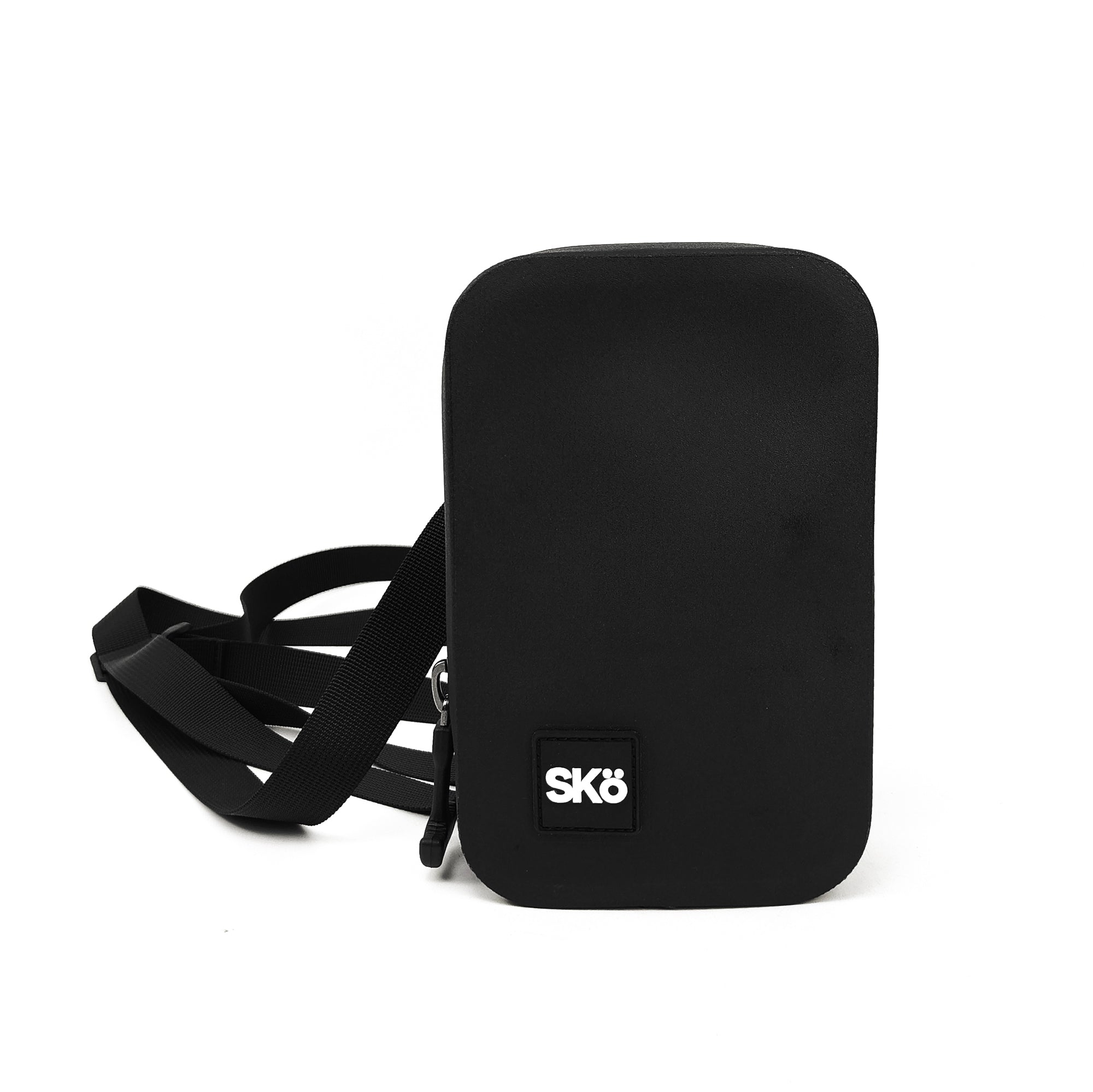
The SKÖ Waterproof Crossbody is compact wearable storage for small valuables around pools, splash areas, wet walkways and other water-heavy parts of a park day.
SKÖ currently publishes an IPX8 rating, approximately 1.14 L capacity, 1680D TPU construction, a waterproof zipper and dimensions of 7.5 × 4.7 × 2 inches. The product page describes the finished bag as waterproof and submersible when properly closed and sealed.
A waterproof rating does not override ride rules. If an attraction requires bags, phones, keys or other loose articles to be removed, store the Crossbody as directed before riding.
Sources
- CDC, Summer Swim Safety
- CDC, Preventing Drowning
- FDA, Sunscreen: How to Help Protect Your Skin from the Sun
- FDA, Sunscreen Water-Resistance Labeling and Reapplication Guidance
- Walt Disney World, Water Park Dress Code, Cooler and Footwear Guidance
- Six Flags White Water, Current Park and Attraction Policies
- SKÖ Gear, Waterproof Gear for Theme Parks & Water Parks
- SKÖ Gear, Waterproof Crossbody Product Specifications