

What to Bring Tubing on a River: The Complete Checklist
Six things cover most floats. Your river decides the rest, including what you are not allowed to bring.
Wear a life jacket and secure river shoes, bring sun protection, keep your phone and car key sealed on your body, carry water and permitted snacks, and leave dry clothes at the take-out. Then check the managing agency’s rules before you add anything else.
Pack the six essentials first. Let local rules decide the extras.
A tubing trip feels casual, but you are still on moving water. The best setup keeps essential gear on your body, unnecessary valuables off the river and the packing list aligned with the rules for the exact waterway you plan to float.
What most recreational floats need.
The St. Croix guidance says life vests should be worn at all times and requires them for children under 13 there. Rules vary, so wearing one is the safest default.
Nebraska Game and Parks recommends tight-fitting water shoes, river sandals or Crocs for floating and walking around the river.
Bring a hat, sunglasses and sunscreen. Nebraska’s guide also calls out exposed lower legs and feet when you are floating in shorts.
Nebraska’s tubing guide recommends small dry bags for valuables. Bring only the phone, car key, ID and payment you actually need.
Hydration matters even when you are “just floating.” Use reusable containers and verify local food and container restrictions first.
Leave a dry change of clothes with the car or shuttle rather than taking up room on the tube with gear you do not need until the float is over.
Three popular floats, three different rulebooks.
| River / park | Examples from the managing agency |
|---|---|
| St. Croix & Namekagon Wisconsin / Minnesota |
No glass beverage containers. Children under 13 must wear a life vest there, and the NPS recommends everyone wear one. Visitors are told to carry out trash. |
| Current & Jacks Fork Missouri |
Glass and styrofoam are prohibited. A PFD must be on board for each person, children under 7 must wear one, and lashing or tying tubes together is prohibited. |
| Ichetucknee River Florida |
Florida State Parks lists restrictions including food, alcohol, glass, coolers and several disposable items on the river. Check the current park page before packing. |
Rules change. Check the current managing-agency page or your outfitter’s instructions for the river you plan to float.
A casual float gets complicated fast when the setup is wrong.
A stretch that takes an hour by canoe does not necessarily take an hour by tube.
Nebraska Game and Parks suggests allowing substantially more time for a tube than a canoe, then adding time for stops.
Loose lines can snag, tangle or create problems in stronger current. Some waterways explicitly prohibit tying tubes together.
Skip long dangling lines and obey the managing agency’s rules for tube connections.
Glass, styrofoam, coolers, disposable bags or food can be legal on one float and prohibited on another.
Pack to the current rule set instead of relying on what was allowed on a different river last summer.
Bring it for communication or pickup coordination if local rules allow it.
The one thing that cannot stay locked inside the vehicle.
Carry the minimum instead of bringing the entire wallet onto the river.
Dry clothes, towel and other bulky items are better at the take-out or with the outfitter.
Do not use a dry bag or crossbody as flotation.
Keep small valuables secure without interfering with your life jacket or creating a loose entanglement hazard. Your PFD is the safety equipment. The bag only protects what is inside it. For more on the difference between sealed storage and buoyancy, see why dry bags sometimes sink instead of float.
Set up the day in three stages.
Confirm local restrictions, life-jacket requirements, water level, shuttle plan and what containers are allowed.
Life jacket, shoes and essentials stay with you. The tube should not become a floating pile of loose stuff.
Change into dry clothes, rinse wet gear when needed and confirm everyone and every essential made it out together.
River tubing questions.
Do you have to wear a life jacket while tubing?
How long does a tubing trip take?
Can I bring my phone tubing?
Related SKÖ guides.
Keep small essentials on you instead of loose on the tube.
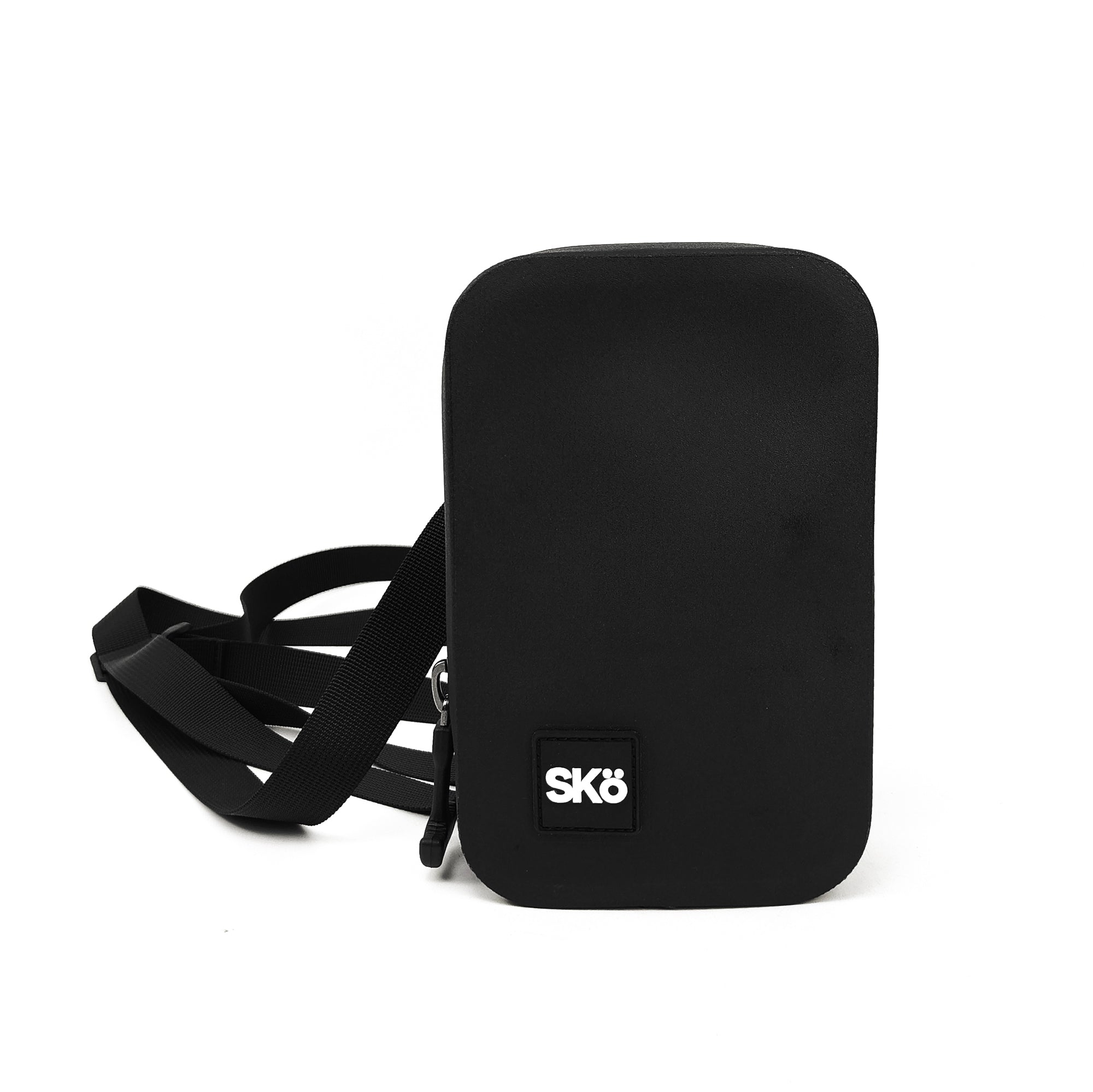
The SKÖ Waterproof Crossbody is compact sealed storage for a phone, key, ID and card. It is not a life jacket, flotation device or rescue tool.
See the Waterproof Crossbody →Check the managing agency’s current rules before bringing any bag or electronic device onto a regulated float.
Sources
- National Park Service — Saint Croix National Scenic Riverway: Tubing
- National Park Service — Ozark National Scenic Riverways: Floating in the Ozarks
- Florida State Parks — Ichetucknee Springs: Tubing Instructions
- Nebraska Game and Parks — Going Tubing on a River?
- Nebraska Game and Parks — A Thorough Guide for Tubing on Nebraska Rivers
Explore more SKÖ guides
More useful guides for keeping your gear protected and your essentials ready.
 River Rafting Packing List: What to Actually Bring
 Best Waterproof Bags for Water Parks (2027): Wear, Locker or Handoff
 How to Keep Your Valuables Safe at the Beach
 Can a Dry Bag Be Fully Submerged?