

Lista de equipaje para rafting: qué llevar realmente
Última actualización: 21 de agosto de 2026

Tu proveedor proporciona la balsa y el equipo de seguridad. Lo que haya dentro de tu bolsa estanca es cosa tuya.
Para una excursión de rafting de un día, necesitas un chaleco salvavidas (tu proveedor casi siempre te proporcionará uno), ropa sintética de secado rápido, calzado acuático bien sujeto, protección solar y una bolsa estanca de tamaño adecuado para un teléfono, la cartera y las llaves; no una bolsa de deporte llena de cosas.
Para los viajes de varios días se añade una segunda bolsa estanca más grande para la ropa de campamento y el equipo de descanso, pero el equipo necesario para el río no cambia. La mayoría de la gente lleva demasiado equipaje para hacer rafting porque se imagina una acampada en lugar de unas cuantas horas mojándose y pasando frío en aguas rápidas. El algodón, las sandalias sueltas y una mochila llena de artículos "por si acaso" son las tres cosas que realmente empeoran un día de rafting.
La versión corta: vístete con capas que se sequen rápido, sujétate bien el calzado, protege tu piel y mantén todo lo que no puedas permitirte perder sellado y enganchado a algo que flote.
¿Qué debo llevar para una excursión de rafting?
Lleva ropa sintética de secado rápido (nada de algodón o vaqueros), calzado acuático sujeto con una correa en el talón, protector solar y gafas de sol con cordón, una botella de agua reutilizable y una pequeña bolsa estanca para tu teléfono, cartera y llaves. Tu proveedor suele suministrar la balsa, los remos y el chaleco salvavidas; confírmalo antes de llevar los tuyos.
Lo que realmente suministra tu proveedor
La mayoría de las empresas de rafting guiado proporcionan la balsa, los remos, un chaleco salvavidas aprobado por la Guardia Costera y un casco en las zonas de aguas rápidas. En los viajes de varios días, suelen encargarse también de las tiendas de campaña, las esterillas y la comida. Llama con antelación y pregunta específicamente qué está incluido: es la forma más rápida de evitar cargar con equipo que no necesitabas. Si tienes tu propio chaleco salvavidas que prefieres, la mayoría de los proveedores te dejarán usarlo siempre que esté homologado por la Guardia Costera para el tipo de aguas que vas a recorrer.
Ropa adecuada para el río
Evita el algodón y los vaqueros por completo; ambos se vuelven pesados y se mantienen fríos una vez mojados, y en una excursión de rafting te mojarás, incluso en un tramo tranquilo. Las capas sintéticas o de lana se secan rápido y siguen aislante incluso estando húmedas. Unos pantalones cortos de secado rápido con drenaje en los bolsillos funcionan bien para la balsa; guarda un segundo par seco para el campamento o el viaje de vuelta a casa. En aguas más frías, añade una prenda de forro polar ligera bajo una chaqueta impermeable; un cortavientos también puede servir como capa protectora cuando no quieras llevar equipo de remo específico.
El calzado que realmente necesitas
Las chanclas y las sandalias sueltas se salen en cuanto el pie entra en la corriente, y entonces estarás descalzo sobre el lecho rocoso del río. Lleva calzado acuático cerrado o sandalias deportivas con una correa de sujeción en el talón, algo que se mantenga en el pie incluso si terminas nadando. Unas zapatillas viejas que no te importe mojar también funcionan bien.
Cómo elegir el tamaño de tu bolsa estanca
El error que cometen la mayoría de los primerizos es llevar una bolsa estanca grande llena de todo lo que llevan en su mochila habitual: libros, capas extra, tentempiés, un neceser completo. En la balsa, todo eso se convierte simplemente en un estorbo que hay que revolver y que puede alterar tu equilibrio. Una bolsa estanca pequeña con espacio para el teléfono, la cartera, las llaves y quizás protector solar es lo único que necesitas tener a mano. Cualquier cosa más grande debe ir en el camión de equipaje o en el almacenamiento central del proveedor, no en tu regazo.
- Pantalones cortos o camiseta de secado rápido (evita el algodón y los vaqueros)
- Calzado acuático seguro o sandalias deportivas con correa en el talón
- Protector solar respetuoso con los arrecifes y gafas de sol con correa de sujeción
- Botella de agua reutilizable
- Pequeña bolsa estanca para teléfono, cartera y llaves (enganchada o atada, no suelta)
- Ropa de repuesto seca y una toalla para dejar en el vehículo
- Cortavientos ligero si el pronóstico lo requiere
En una excursión guiada en el oeste montañoso, el equipo que más importaba no era nada sofisticado: era una pequeña bolsa impermeable enganchada a la correa del chaleco salvavidas con el teléfono y las llaves del coche, y un calzado que no se saliera en los primeros rápidos. Todo lo demás pasó el día en el camión del proveedor.
¿Necesito mi propio chaleco salvavidas para el rafting?
Normalmente no. Los proveedores autorizados tienen la obligación de proporcionar un chaleco salvavidas aprobado por la Guardia Costera adaptado a cada persona. Si prefieres el tuyo, confirma con el proveedor que cumple con sus requisitos para aguas rápidas antes del viaje.
¿Qué no debo llevar al rafting?
Evita la ropa de algodón, las sandalias sueltas o chanclas, cualquier objeto que no puedas permitirte perder y que no esté sellado y seguro, recipientes de cristal y bolsas sobredimensionadas; la mayoría de las balsas tienen poco espacio de almacenamiento en seco y los proveedores te pedirán que dejes el exceso de equipo en el vehículo.
Fuentes
Si lo único que realmente quieres mantener seco y contigo todo el día es el teléfono, la cartera y las llaves (no una mochila llena), una bandolera impermeable que se lleva debajo del chaleco salvavidas cubre esa necesidad sin añadir volumen a la balsa.
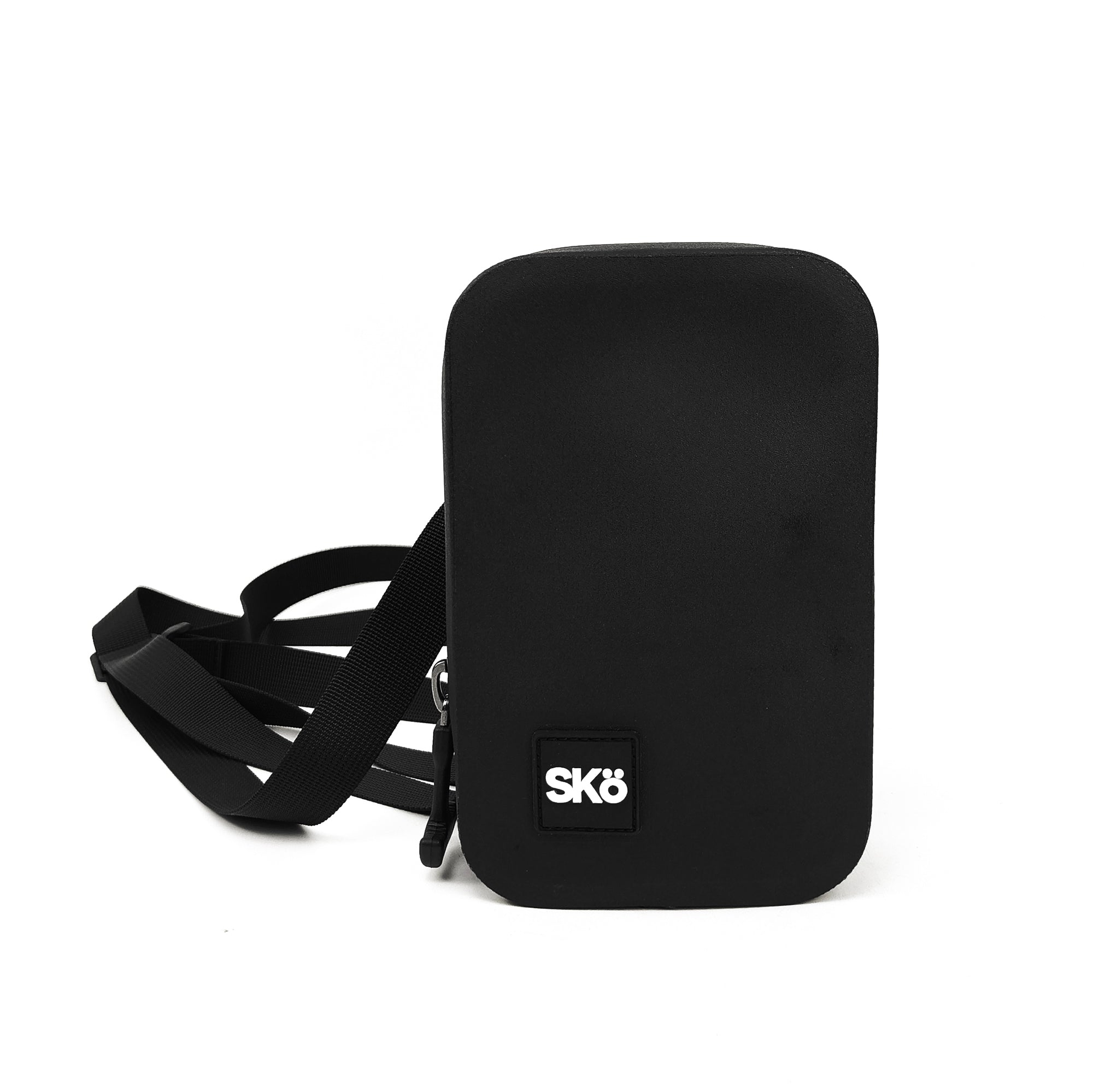
$80 · Garantía limitada de por vida