

What Is Slot Canyoneering? Gear, Waterproofing & Safety Basics
Slot canyoneering can combine hiking, scrambling, rappelling, swimming, cold water, narrow passages and remote terrain in a single route. The canyon determines the system you need.
Slot canyoneering means traveling through narrow, water-carved canyons using some combination of hiking, scrambling, downclimbing, stemming, rappelling, wading and swimming. Some routes are simple, dry slot hikes. Others require technical rope systems, water skills, thermal protection and specialized canyon gear. There is no universal equipment list because the route, water, weather and technical difficulty determine what is appropriate.
A slot canyon can be a hike, a swim, a rope route, or all three.
That is what separates canyoneering from an ordinary trail day. Two canyons that look similar in photographs can require completely different levels of experience, equipment and preparation.
A short dry slot may involve little more than hiking, squeezing and scrambling. A technical wet canyon can involve multiple rappels, cold-water swims, difficult anchor decisions, narrow exits and hours of exposure to water.
The word slot describes the narrow canyon environment. The word canyoneering describes the way you move through that environment.
Slot canyoneering is a combination sport.
Not every route includes all of these movements, but technical canyoneering often blends several of them together.
Long approaches and exits may be part of the day before the canyon itself becomes narrow.
Hands-on movement over uneven rock is common even on routes without technical rope systems.
In very narrow sections, canyoneers may brace between opposing walls to move above the canyon floor.
Technical canyons can require multiple rappels, anchors and route-specific rope lengths.
Some canyons contain shallow pools. Others may require repeated swimming and prolonged cold-water exposure.
No. Water exposure can range from almost none to full immersion.
One of the biggest misconceptions about canyoneering is that every slot canyon involves swimming. Conditions also change over time, so a route that was dry for one group may not be dry for the next.
Dry or Mostly Dry Canyon
These routes may still involve technical terrain, but standing water and swimming are limited or absent.
- Sand and dust
- Narrow squeezes
- Scrambling
- Possible rappels
- Little or no standing water
Wet Canyon
Wet routes can expose both the canyoneer and the entire pack system to repeated immersion.
- Wading
- Swimming
- Cold-water exposure
- Wet rappels
- Possible full pack submersion
There is no universal canyoneering packing list.
Equipment should match the specific route, water conditions, temperature, technical difficulty and group experience.
A pack suitable for the expected abrasion, drainage, waterproofing and technical movement of the route.
Technical routes may require a helmet, harness, rappel device, static or low-stretch rope and route-specific anchor equipment.
Wet technical terrain may demand canyon-specific footwear and insulation appropriate for cold-water exposure. See what to wear canyoneering for a more detailed clothing and cold-water checklist.
Water, food, first aid, navigation tools, headlamps and emergency equipment belong in the route plan.
Canyon packs deal with more than rain.
Packs may be dragged across sandstone, lowered down drops, squeezed through constrictions and submerged completely. A useful canyon pack therefore needs to solve several problems at once. For examples of the drainage-versus-sealed approach, see our earlier canyoneering backpack comparison; confirm current product availability and technical suitability separately.
Rough rock can damage material long before rain or splash becomes the main concern.
Narrow canyon walls reward streamlined shapes and controlled straps.
The pack should either keep water out or let it escape efficiently.
Shoulder straps, attachment points and overall fit matter while climbing, rappelling and squeezing.
Two opposite strategies can both make sense.
Wet canyoneers generally solve water in one of two ways: keep it outside the pack, or deliberately let it move through the pack while waterproofing the sensitive contents inside.
Waterproof Pack
A waterproof or submersible pack attempts to prevent water from reaching the contents within its rated conditions.
- Protects sensitive contents directly
- Can reduce reliance on multiple inner dry bags
- Useful around repeated pools and wet routes
- Closure integrity becomes critical
Drainage Pack
A drainage-style canyon pack accepts that water will enter and is designed to let that water leave efficiently.
- Drains after swims
- Avoids carrying trapped water
- Often paired with waterproof inner storage
- Well suited to repeatedly wet environments
Protect the items where water actually changes the outcome.
Ropes, helmets, harnesses and canyon footwear are expected to get wet. Electronics, keys and some emergency or thermal items are different.
| Item | Water concern | Storage priority |
|---|---|---|
| Phone | Electronics and emergency communication | High |
| Electronic car key | Water-sensitive electronics | High |
| Batteries / electronics | Moisture damage | High |
| Dry clothing | Thermal protection | Route dependent |
| Rope & harness | Designed for canyon use | Generally wet |
Your phone has a different job than your canyon pack.
If the route includes pools or swimming, assume anything you carry may eventually be submerged. A normal hiking pocket or rain-resistant zipper is not built for that scenario. Our waterproof versus water-resistant guide explains why those claims should not be treated as equivalent during immersion.
Small valuables like a phone, electronic key, ID and wallet can be separated from wet ropes and canyon equipment inside their own waterproof storage.
That does not replace a technical canyon pack. It simply isolates the few items where water intrusion creates a disproportionate problem.
Abrasion can destroy waterproof performance.
Slot canyons can be brutal on equipment. Bags scrape along walls, squeeze through constrictions and get dragged over rough rock. A waterproof product can still fail if its material or closure becomes damaged.
Avoid grinding zippers and sealing surfaces directly against rock whenever possible.
Dangling straps can snag in narrow sections or catch on obstacles.
Waterproofing will not save a phone that is crushed against a canyon wall.
Look for abrasion and closure damage before trusting the same gear in the next wet canyon.
You can experience slot canyon terrain without starting on ropes.
Some popular routes and guided experiences provide narrow-canyon scenery without technical rappelling.
A famous river hike through towering canyon walls. Water depth, flow, temperature and weather conditions can vary substantially.
A permitted creek hike through narrow canyon sections with water and ladder features.
A very narrow dry-slot experience involving squeezing and scrambling but typically no technical rappelling.
A guided slot canyon experience known for sculpted sandstone and photography.
Technical terrain changes the required skill set.
Technical canyoneering introduces rope systems, rappels, anchor decisions and sometimes significant water hazards.
Routes commonly discussed by experienced canyoneers in the Zion area include Pine Creek, Keyhole, Mystery, Imlay and Heaps. Those names do not represent one difficulty level. Conditions and technical demands vary enormously.
Build canyon skills gradually.
Being comfortable hiking through a slot canyon does not automatically prepare someone to manage ropes, anchors, rappels and water hazards.
- Learn rappel systems before depending on them
- Understand anchor evaluation
- Practice rope management
- Develop canyon-specific water skills
Consequences increase quickly.
Narrow walls can limit escape, water can complicate rope systems and rescue may be slow or difficult.
- Remote access
- Cold-water exposure
- Complex rappels
- Limited escape options
Flash flooding can turn a narrow canyon into a trap.
Slot canyon walls give rising water very little room to spread. Storms can also affect drainage areas far from where you are currently standing.
Weather and watershed conditions should therefore be part of every canyon plan. A simple glance at one weather app should not be treated as a complete canyon forecast.
Check reliable weather information, understand the drainage feeding the route, and follow current land-management guidance, permits and closures before entering.
Build the plan before you enter the narrows.
Know the route, rappels, water conditions, exits, expected duration and technical requirements.
Flash-flood risk and cold-water exposure can change quickly.
A technical canyon should not be the first place someone learns critical rappel and anchor skills.
Tell someone where the group is going, the expected exit and when they should become concerned.
Phones and emergency electronics need appropriate water and impact protection.
Rules vary by canyon and land-management agency, so confirm current requirements before the trip.
Decide whether your system keeps water out or manages water after it enters.
Keep water outside.
Follow the manufacturer's closure instructions carefully and avoid overloading the pack in a way that interferes with the seal.
Protect sensitive items inside.
Let the canyon pack drain while phones, dry clothing and other high-consequence gear live inside appropriate waterproof inner storage.
Common beginner questions.
Is slot canyoneering the same as canyoning?
The terms overlap. “Canyoneering” is commonly used in the United States, while “canyoning” is widely used internationally. Both can describe moving through canyons using combinations of hiking, scrambling, rappelling and swimming.
Do all slot canyons require rappelling?
No. Many slot canyon hikes are nontechnical and require no ropes. Technical canyons may involve multiple rappels and specialized rope skills.
Do all slot canyons have water?
No. Some are predominantly dry, some contain seasonal pools and others involve mandatory swimming. Conditions can change substantially between trips.
Do you need a waterproof backpack for canyoneering?
Not necessarily. Some canyoneers use waterproof packs, while others use drainage packs with waterproof inner storage. The better system depends on the route, water exposure and gear requirements.
How do you keep a phone dry while canyoneering?
Use waterproof storage appropriate for the expected water exposure and position the phone where it is protected from impact and abrasion as well as moisture.
Can beginners go slot canyoneering?
Beginners can start with nontechnical slot hikes or guided experiences. Technical routes involving rappelling, anchors or significant water hazards require additional skills, equipment and judgment.
Keep the things you cannot lose separate from the wet gear.
Your canyon pack should handle the technical equipment. Your phone, electronic key, ID and other small valuables can benefit from their own waterproof compartment.
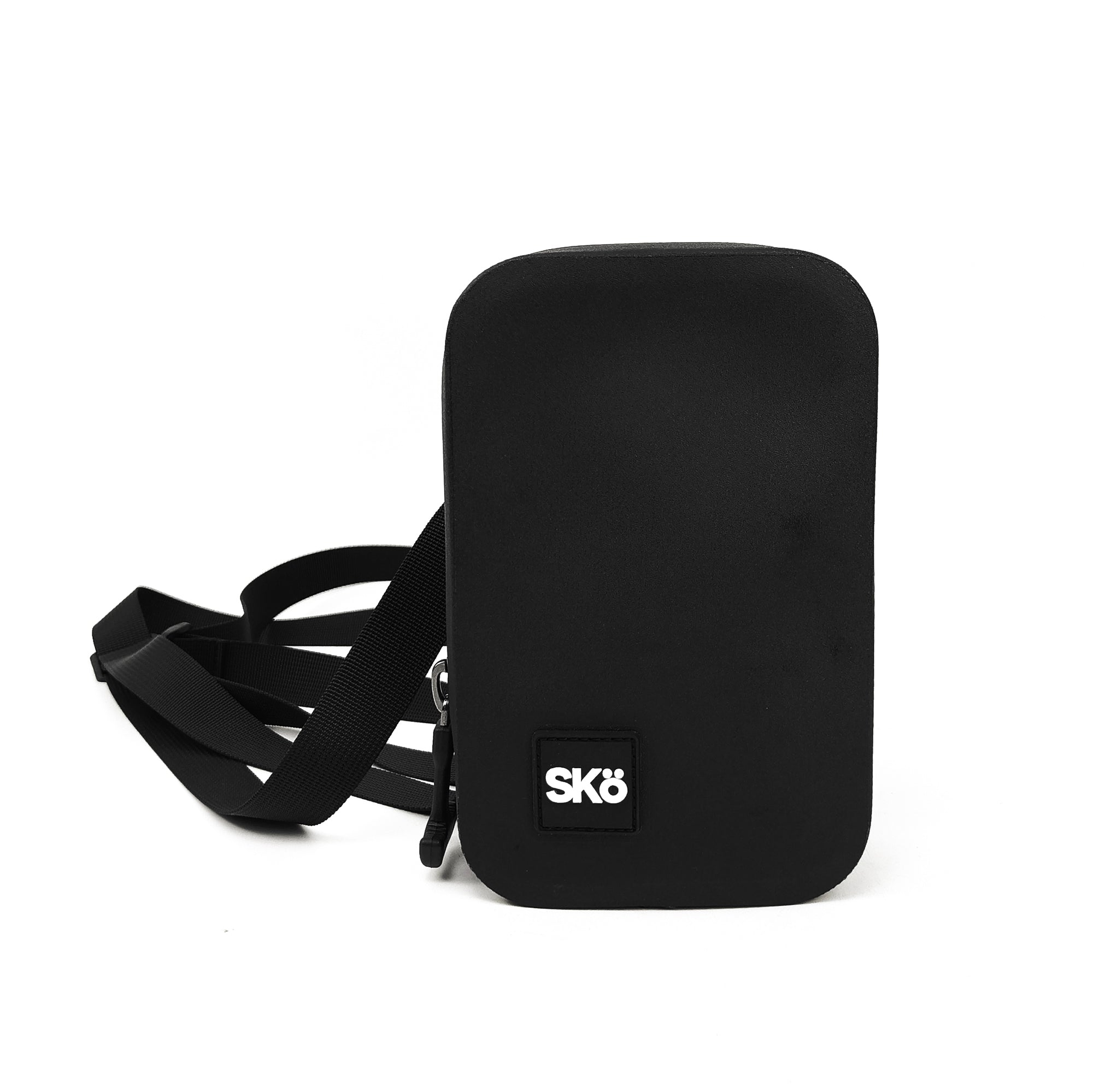
The SKÖ Waterproof Crossbody is designed for that smaller job, keeping compact essentials protected and accessible around wet approaches, canyon pools and other water-heavy environments.
A waterproof crossbody does not replace a technical canyon pack, rope system, helmet or canyon-specific safety equipment.
Explore more SKÖ guides
Explore practical canyon clothing, waterproof packing and other gear guides before your next route.
 What to Wear Canyoneering: Clothing, Shoes & Cold-Water Gear
 Best Waterproof Bag Setup for Hiking (2027): What Keeps Gear Dry
 What to Bring on a Waterfall Hike: Packing & Waterproofing Guide
 How to Seal a Roll-Top Dry Bag Properly (and Fix Leaks)