


What to Pack for a Rainy Vacation (So Nothing Gets Ruined)
What to Pack for a Rainy Vacation (So Nothing Gets Ruined)
Last updated: September 8, 2026

A rainy forecast doesn't have to mean a ruined trip — it just changes how you pack.
Pack for a rainy vacation by sorting your gear into three groups: what has to stay bone-dry no matter what (electronics, passport, cash), what needs to dry fast when it inevitably gets wet (clothing, shoes), and what protects you while you're actually out in it (jacket, umbrella, bag). Most rainy-trip packing mistakes come from treating all three the same way.
A rain jacket alone doesn't solve a wet trip. Neither does throwing everything in a "water-resistant" backpack and hoping for the best. Water-resistant fabric sheds a light drizzle, but it wets through under sustained rain or when you're carrying a bag against your body for hours — and once your bag's interior gets damp, everything inside stays damp for the rest of the day. That's the actual problem people run into on rainy trips: not getting wet once, but staying wet, or having a phone and passport that got wet once and now don't work right.
The fix isn't more gear. It's packing so the things that can't get wet are physically separated from the things that can.
What should you pack for a rainy vacation?
Pack quick-drying synthetic clothing instead of cotton, a real waterproof (not water-resistant) outer layer, closed or water-shedding shoes with a dry backup pair, and a dedicated waterproof pouch or dry bag for your phone, passport, and cash — separate from your main suitcase. Rolling clothes instead of folding also helps everything dry faster if it does get wet.
Start with the layer that actually matters: your electronics and documents
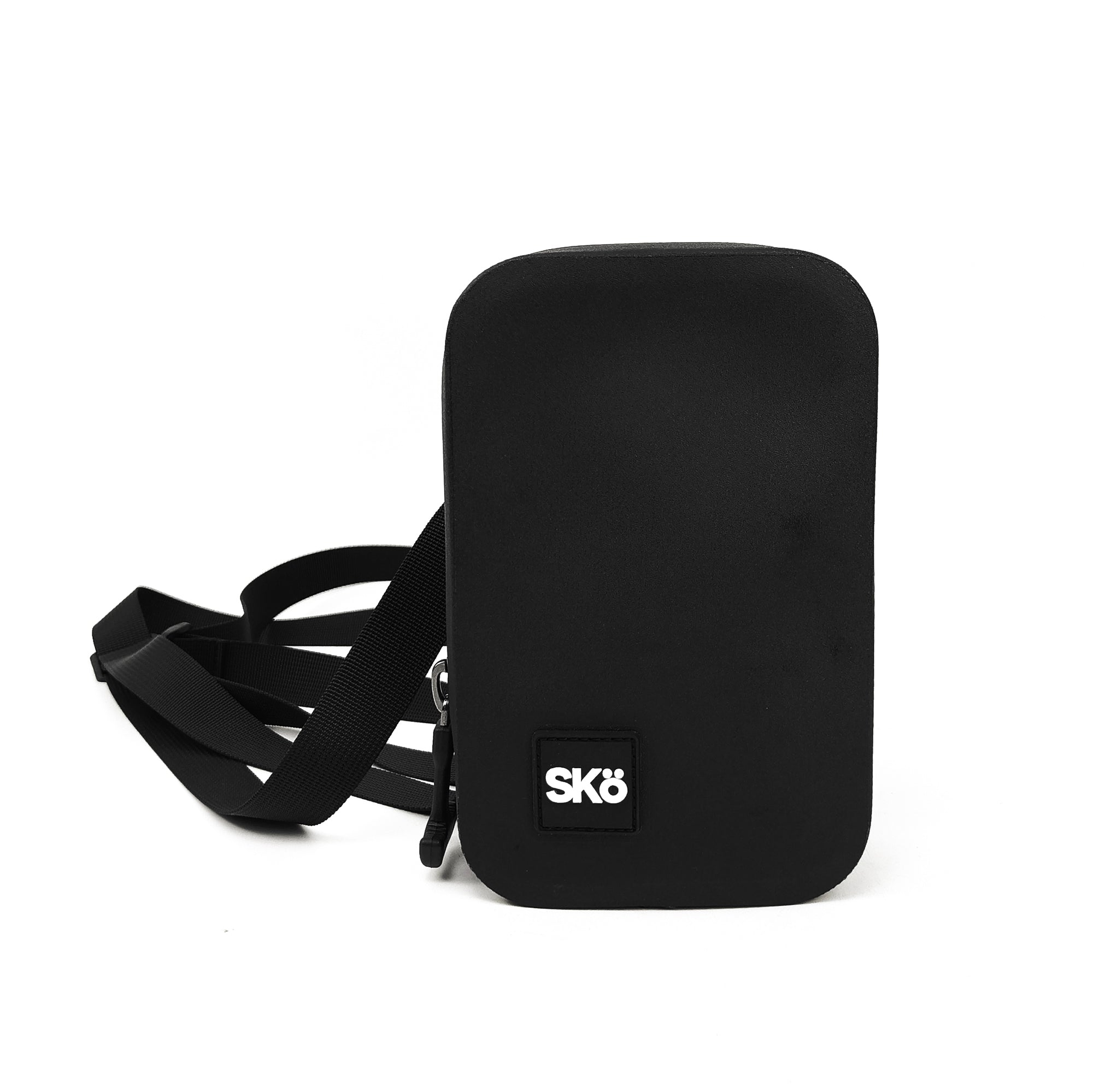
Your phone, passport, boarding passes, and cash are the items that ruin a trip if they get wet — not your clothes. Clothes dry out or dry-clean. A phone that took on water in a rainstorm, a passport with pages stuck together, or cash that turned to pulp in your pocket are harder problems to solve mid-trip. Which waterproof bag style actually fits this use case depends on how much you're carrying, but the principle is the same either way: these items need their own sealed, submersible compartment, not just a pocket in a bag that claims to be "weather-resistant."
Weather-resistant and waterproof are not the same claim. Weather-resistant gear is treated to shed light moisture for a limited time; it's not built to sit in standing water or take a direct downpour for an hour. If you're walking between a train station and a hotel in real rain, weather-resistant gear will eventually let water through the seams and zippers. REI's breakdown of rain gear gets into why a hard-shell layer with taped seams is the only thing that holds up in sustained rain — the same logic applies to whatever's carrying your phone and documents.
Clothing: pack for drying, not just for staying dry
You will get wet at some point on a rainy trip — a jacket only holds off so much. What actually matters is how fast your clothes recover. Cotton holds onto moisture and stays cold and heavy for a day or more once soaked. Synthetic blends and merino wool shed water faster and dry overnight, which matters if you're moving to a new city or activity the next morning. Roll your clothes instead of folding them; it reduces creasing and makes it easier to separate a "damp" pile from a "dry" pile inside your bag, which keeps one wet layer from soaking through everything else.
- A real waterproof shell jacket with taped seams — not a windbreaker labeled "water-resistant"
- 2–3 quick-dry synthetic or merino tops instead of cotton
- One dry backup pair of shoes, packed in its own bag away from wet clothing
- A packable rain cover or dry bag for your day bag or backpack
- A small waterproof pouch for phone, passport, and cash, kept separate from checked luggage
- A few plastic or reusable bags to isolate wet clothes from dry ones
On multi-day trips, REI's guide to packing and moving through sustained rain makes a point worth repeating: a pack liner or dry bag inside your main bag protects everything at once, so you're not relying on every individual item being waterproof on its own.
Footwear and the day bag you're actually carrying
Wet shoes are the single biggest source of rainy-trip misery, and most travelers only pack one pair. Bring a dry backup — even a packable pair of sandals or slip-ons — so you're not putting on the same soaked shoes two days in a row. For your day bag, the material matters more than the brand: PVC and TPU-coated bags shed rain far better than canvas or untreated nylon, and a roll-top or waterproof zipper closure keeps the inside dry even if the outside gets soaked.
Real-World Gear Example
On a five-day trip through a rainy coastal town, the difference between a good day and a bad one usually comes down to whether the phone and camera stayed in a sealed pouch or just a jacket pocket. A jacket pocket holds up fine in a light drizzle; it does nothing in a sudden downpour walking between ferry terminals, which is exactly when people reach for their phone to check the schedule.
Should I check the weather every day or pack for the whole trip's worst case?
Pack for the worst realistic day in the forecast, not the average. It's easier to not use a rain jacket on a dry day than to be stuck without one during the one storm of the trip. Check daily forecasts once you arrive to plan activities, but pack your bag around the wettest day shown before you leave.
Do I need a separate dry bag if my suitcase already has a rain cover?
A suitcase rain cover protects the outside of your bag from rain while you're moving between transit points, but it doesn't help once you open the bag in a wet environment or if the cover shifts. A small dedicated dry bag or pouch for your phone, passport, and cash is still worth carrying separately, since those are the items you'll access most often in the rain.
Sources
If your jacket pockets are the only thing standing between your phone and a sudden downpour, that's usually the first gap worth closing before a rainy trip.
$80 · Limited Lifetime Warranty