


Why Did My Dry Bag Sink Instead of Float?
Why Did My Dry Bag Sink Instead of Float?
Last updated: August 28, 2026

A dry bag only floats because of what's trapped inside it — and it's rarely magic, it's air.
A dry bag sinks instead of floating for one of three reasons: it was packed too full and too heavy to stay buoyant, it wasn't sealed with enough trapped air inside before the top was rolled down, or the seal itself failed and let air escape once it hit the water.
A dry bag isn't buoyant because of the fabric — most dry bag material (coated nylon, TPU, or PVC) is only slightly lighter than water on its own. What actually floats is the pocket of air sealed inside once you roll the top down and buckle it. Fill the bag edge to edge with dense gear, and there's no air pocket left to do the floating. Roll the bag shut without pushing out the right amount of air first, or seal it on an angle so the folds don't lock, and that same air pocket leaks out within a few minutes on the water.
The fix in the moment is straightforward: unpack the bag partway, repack it so it's no more than roughly three-quarters full, push out the excess air by hand before the first fold (not all of it — leave a deliberate cushion), then roll the top down at least three full turns and clip the buckle. A properly sealed, appropriately packed dry bag should float high enough that you can see a visible air bulge at the top.
Why did my dry bag sink instead of float?
Most dry bags sink because they were overpacked with dense gear, leaving no trapped air pocket to create buoyancy, or because the roll-top wasn't sealed correctly and the air pocket escaped once submerged. A dry bag floats on trapped air, not the material itself — repack it three-quarters full, leave an air cushion, and roll the top at least three times before buckling.
The Three Real Causes
Overpacked with dense, heavy gear
A bag stuffed edge-to-edge with wet clothes, canned food, or tools has no room left for an air pocket. The denser the contents relative to the bag's size, the more likely it sinks or floats barely at the surface, even sealed correctly.
No air trapped before sealing
Pushing out every bit of air to make the bag more compact feels efficient, but it removes the exact thing that makes the bag buoyant. A dry bag needs a deliberate cushion of air left inside, not a vacuum seal.
Improper roll-top seal
Fewer than three full rolls, an uneven fold, or rolling with the bag twisted can all leave a gap the trapped air escapes through on contact with water — sometimes within seconds of submersion.
How to Repack and Reseal It Correctly
- Empty the bag and repack it to roughly 75% capacity, not fully stuffed
- Push out excess air by hand, but stop before it's completely flat — leave a visible air pocket
- Fold the top down in even, flat rolls — three to four full turns minimum
- Clip the buckle fully and check that the rolled section stays flat, not twisted
- Test it in shallow water first if it's a new bag or a new packing routine, before trusting it on open water
On a multi-day kayak trip, the difference is obvious the first time a bag goes overboard by accident. A properly sealed 20-liter dry bag packed to about three-quarters full will bob at the surface with a visible dome of trapped air, easy to spot and grab. An identical bag stuffed completely full with the same gear sits low, sometimes with only a corner breaking the surface, and takes longer to notice in moving water.
Do all dry bags float, even when empty?
An empty, properly sealed dry bag will usually float on its own trapped air, since there's minimal weight to counteract the buoyancy. Once you start adding gear, floatation depends entirely on how much air remains trapped relative to the weight and density of what's packed inside.
Can I add extra air to help a dry bag float better?
Yes — some paddlers intentionally leave more air than usual when floatation matters more than compactness, such as clipping a bag to the outside of a kayak. Just be aware that more trapped air means a bulkier, less compact bag to strap down securely.
Sources
If what you're actually trying to protect is just a phone, wallet, and keys rather than a full pack of gear, a sealed crossbody solves the sinking problem entirely — there's no roll-top air pocket to get wrong in the first place.
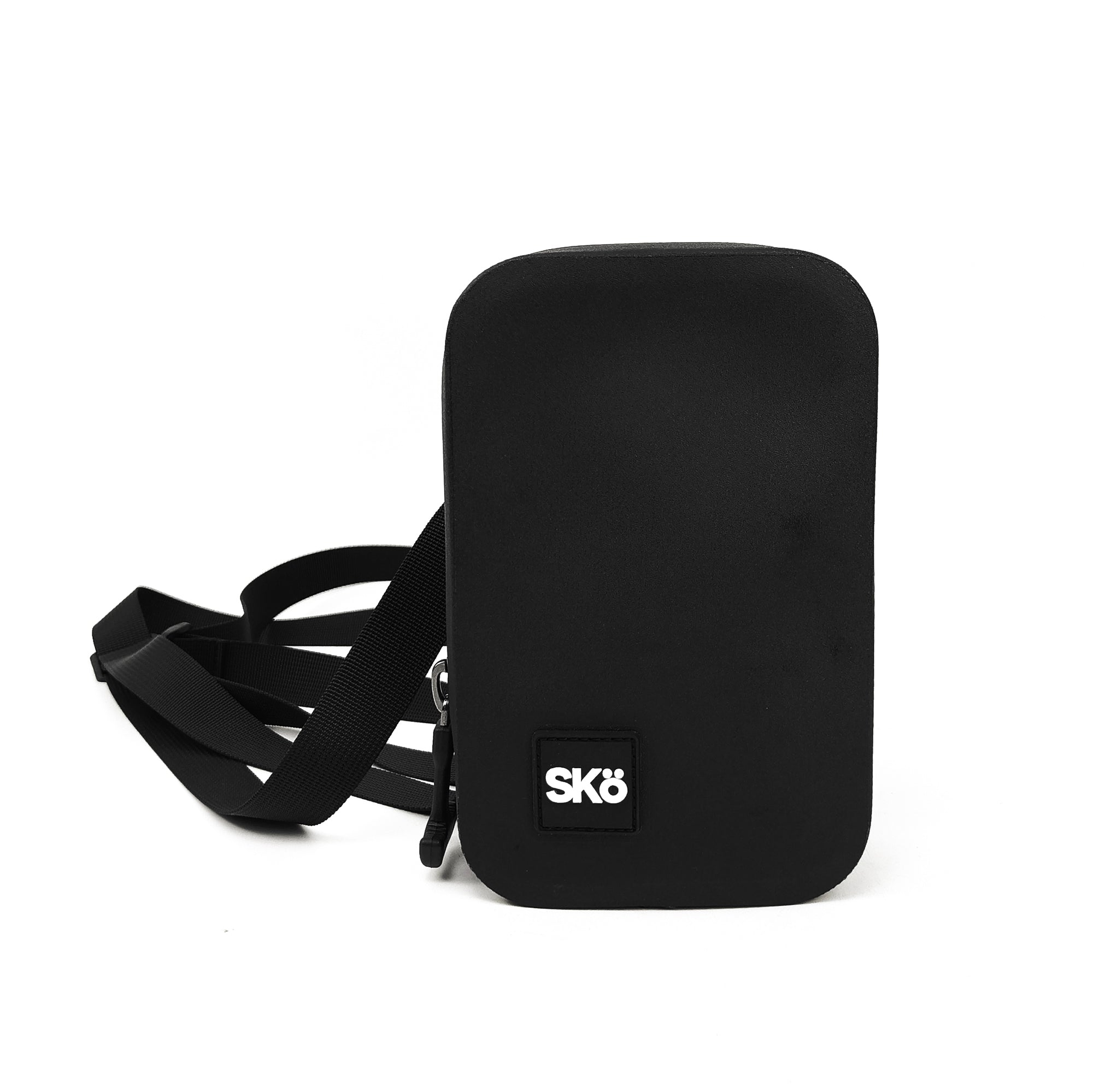
$80 · Limited Lifetime Warranty