

Camping Essentials Checklist for Beginners: What You Actually Need
Skip the 100-item shopping list. Start with the National Park Service Ten Essentials, add the four things a night at camp requires, and protect the few items that fail when wet.
Pack the Ten Essentials first. Then add a tent, sleep system, simple camp kitchen and food-storage plan. Keep your map, fire starter, spare batteries, dry insulating layer, phone and car key protected from water.
Start with the things that solve injuries, weather changes and delays.
The National Park Service calls the Ten Essentials a collection of important items that can help during minor injuries, sudden weather changes or unexpected emergencies.
At a drive-in campsite some of those functions overlap with larger camp gear, but they still matter whenever you walk away from the car or campsite.
The list before the campsite list.
Map, compass and GPS system.
Sunglasses, sunscreen and hat.
Jacket, hat, gloves, rain shell and other layers.
Flashlight or headlamp, plus power.
A trip-appropriate first-aid kit.
Matches or lighter plus fire starters.
Duct tape, knife, multi-tool and scissors.
Extra food beyond the planned meals.
Water and water-treatment supplies when needed.
Tent, space blanket, tarp or bivy.
Four categories turn the emergency list into an overnight setup.
REI suggests sizing a tent for one or two more people than will regularly sleep in it if you want extra room for gear.
Choose a bag with a comfort rating appropriate for the expected overnight low and bring an insulating pad.
Add cookware, utensils, a cooler if appropriate, water bottles, biodegradable soap and trash bags.
Check whether potable water is available and bring enough food, including the extra-day buffer recommended in the Ten Essentials.
Follow the campground’s actual wildlife rules.
Rocky Mountain National Park, for example, requires food items to be secured in campground food-storage lockers or a vehicle trunk when the locker is full. Its definition includes drinks, toiletries, cosmetics and pet food. Other parks use different systems, so check the campground before you arrive.
Not every camp item deserves sealed storage.
NPS specifically recommends matches, preferably waterproof, or a lighter plus fire starters.
A physical map and spare phone power lose value quickly when they are soaked.
The rain shell cannot do its job as well if the layer underneath was already wet in the gear pile.
The NPS list does not name a car key, but losing or soaking the key can end the trip. Keep high-consequence small items separate and controlled.
First-night campsite check
First-time camping questions.
How much extra food should I bring?
The National Park Service’s Ten Essentials recommends an extra day’s supply, preferably food that does not depend on cooking.
Do I need a water filter for car camping?
Not if the campground provides potable water or you bring all the water you need. Treatment supplies matter when your water source requires treatment, so confirm what the site offers before packing.
How big should my tent be?
REI suggests a tent sized for one or two more people than will regularly sleep in it when you want extra space for bags and boots.
Build the trip around conditions, not around gear collecting.
Keep the phone and car key separate from the gear pile.
The SKÖ Waterproof Crossbody is compact storage for a phone, key, ID and card. It does not replace the Ten Essentials, a first-aid kit or larger dry storage for clothing.
See the Waterproof Crossbody →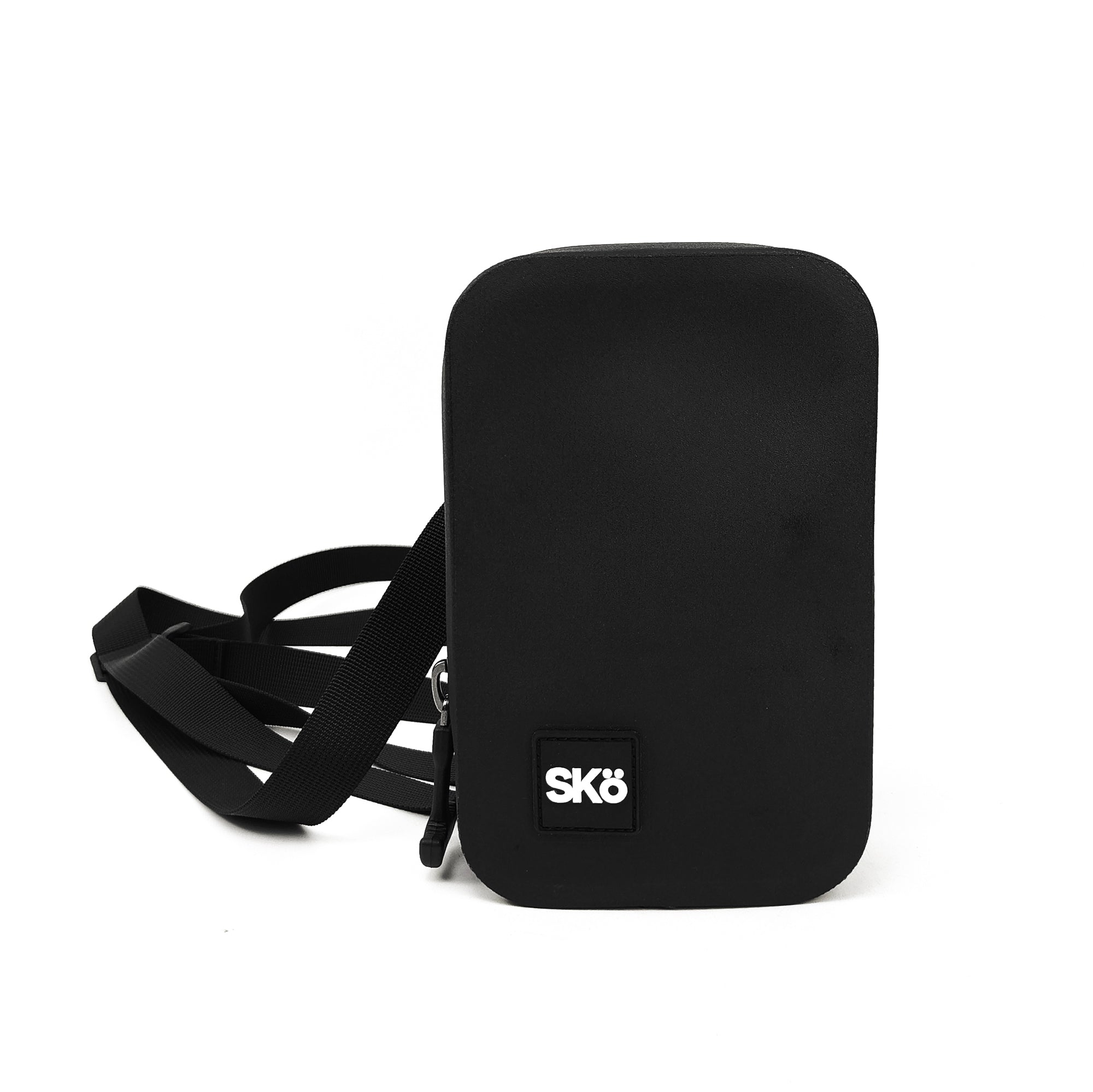
Explore more SKÖ guides
Get ready for camp and the trail with waterproof storage, hiking checklists and proper dry bag sealing.
 Best Waterproof Bag Setup for Hiking (2027): What Keeps Gear Dry
 Adventure Travel Essentials: What to Pack & Protect
 How to Seal a Roll-Top Dry Bag Properly (and Fix Leaks)
 What to Bring on a Waterfall Hike: Packing & Waterproofing Guide