

What Size Bag Is Best for Day Trips?
Trip length is a poor way to choose bag size. The last bulky thing on your actual packing list tells you more.
Essentials only can fit in a small crossbody or belt bag. Add water and a light layer and you are usually in small-daypack territory. Add lunch, more layers or a camera and a 21–35 L daypack becomes much more practical. Make the list first, then choose the bag.
The bag should follow the contents, not the number of hours.
A three-hour city day and a three-hour hike can need completely different loads. Water, clothing, food and safety equipment drive volume much more than the clock does.
Start with what you will actually carry, then move up the sizing ladder only when the list forces you to.
Which is the last bulky item you really need?
Day-trip packing check
Four useful size classes for ordinary day trips.
Phone, wallet, keys, cards and sunglasses. Best when quick access matters more than carrying capacity.
REI places very small packs in the short-hike and lightweight-pursuit category.
A practical range when you need an extra layer, snacks and basic gear without packing the kitchen sink.
REI describes this as the ideal range for many hiking and travel daypacks.
Add the Ten Essentials before you decide the bag is “too big.”
The National Park Service lists navigation, sun protection, extra clothing, illumination, first aid, fire, repair tools, nutrition, hydration and emergency shelter. Those safety items belong on the list before you trim gear just to fit a smaller pack.
Water, food, layers, camera, towel or anything bulky.
Phone, wallet, key, passport or ID and one or two other essentials.
REI notes a hipbelt becomes increasingly useful as pack weight climbs. If the load is getting heavy, stop pretending it is an “essentials only” bag.
Day-bag sizing questions.
Is a 20-liter bag too big for a day trip?
Is a sling or backpack better?
Should I buy extra capacity “just in case”?
Build the bag around the day.


Keep the things you reach for most in a compact on-body bag.
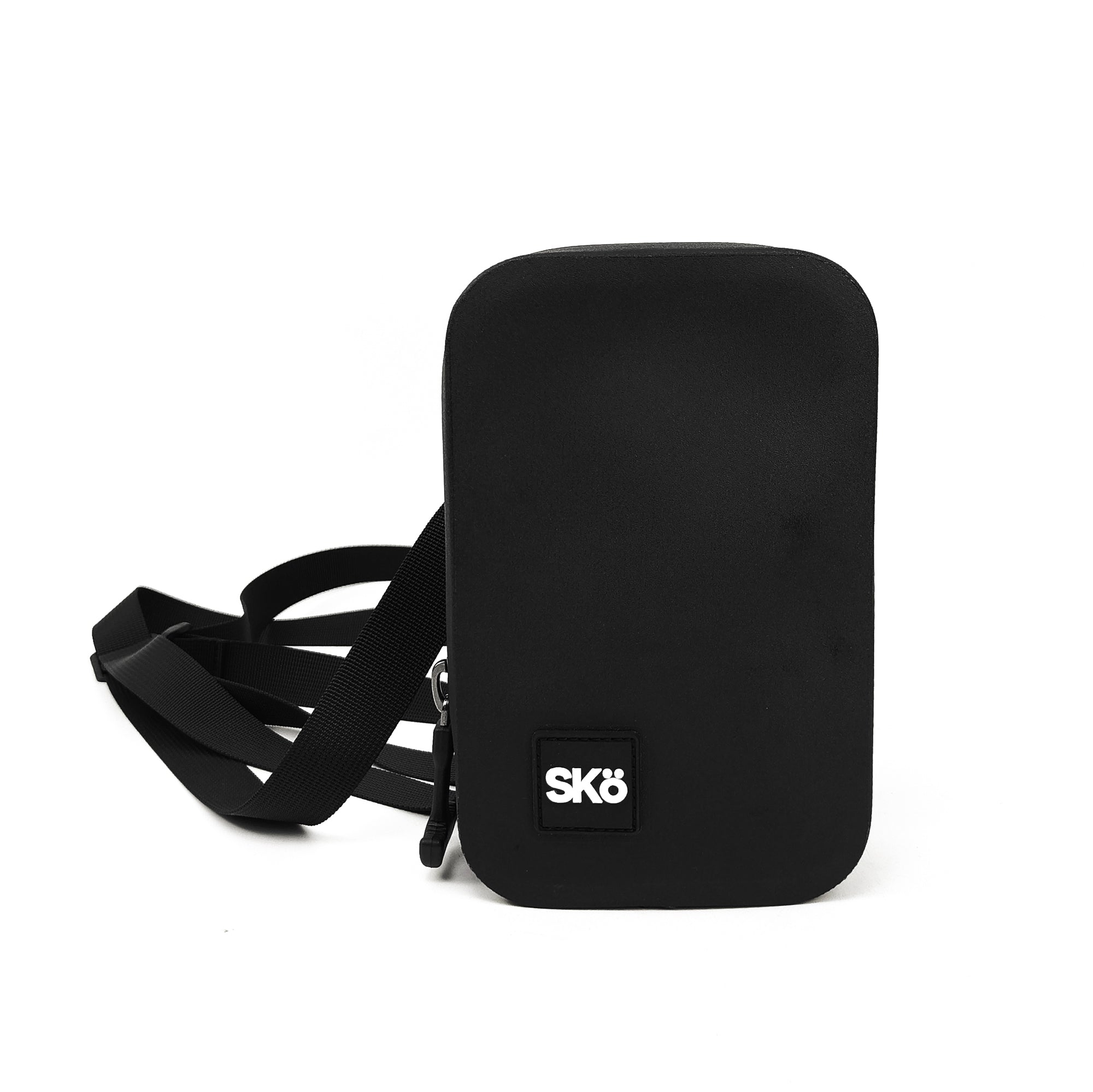
The SKÖ Waterproof Crossbody is for phone, wallet, keys and other small essentials. Water bottles, lunch and layers belong in a larger daypack.
See the Waterproof Crossbody →Storage equipment only. It is not flotation or lifesaving equipment.
Explore more SKÖ guides
Compare practical day-trip carry sizes, hands-free bags and waterproof essentials storage.
 Best Small Waterproof Bags for Phone, Wallet & Keys (2027)
 10 Best Crossbody Bags for 2027
 Best Hands-Free Travel Bags (2027): Crossbody vs Sling vs Belt Bag
 Waterproof Crossbody Bag vs. Phone Pouch: Which Do You Need?