

Qué empacar para un viaje de esnórquel
Última actualización: 27 de agosto de 2026

La mayoría de los viajes de esnórquel salen mal en tierra, no en el agua; por lo general, incluso antes de que alguien se moje.
Un viaje de esnórquel requiere tener siete cosas bajo control antes de entrar al agua: tu propia máscara y tubo de esnórquel si los tienes, protector solar apto para arrecifes, un plan para tu teléfono y objetos de valor, agua y bocadillos, un cambio de ropa seca, algo de efectivo y calzado para la arena caliente o los puntos de entrada al arrecife.
La mayoría de los inconvenientes en un día de esnórquel se deben a una de esas siete categorías, no a la mala suerte. La gente se quema con el sol porque confió únicamente en el protector solar en lugar de cubrirse. Pierden de vista su teléfono porque lo dejaron en una bolsa de playa sin nadie que lo vigilara. Terminan perdiéndose la segunda parada en el arrecife porque tienen ampollas en los pies por caminar descalzos sobre arena caliente o restos de coral.
Nada de esto requiere un armario lleno de equipo. Un día de esnórquel —ya sea una entrada desde la orilla, una excursión en barco o una parada de crucero— es una lista corta de artículos específicos, la mayoría de los cuales probablemente ya posees.
¿Qué debes empacar para un viaje de esnórquel?
Empaca tu propia máscara, tubo y aletas si los tienes (el equipo de alquiler rara vez se ajusta bien), protector solar mineral apto para arrecifes o una camiseta de protección UV, una forma impermeable de asegurar tu teléfono y cartera, agua, una toalla seca y cambio de ropa, zapatos de agua y algo de efectivo para las propinas de la tripulación del barco o tarifas de alquiler de equipo.
El equipo que realmente importa
Si haces esnórquel más de una vez al año, lleva tu propia máscara. Una máscara que no sella bien contra tu cara pierde agua constantemente, y no hay técnica que arregle un mal ajuste; las máscaras de alquiler están diseñadas para un rostro "promedio", no para el tuyo. Las aletas son menos críticas; la mayoría de los operadores turísticos tienen aletas de alquiler que funcionan bien. Un tubo con protector contra salpicaduras o válvula de purga es una inversión que vale la pena si eres propenso a tragar agua.
- Tu propia máscara y tubo, probados para verificar el ajuste y las fugas antes del viaje
- Aletas, si tienes un par que te quede bien; de lo contrario, el alquiler está bien
- Protector solar mineral apto para arrecifes (óxido de zinc o dióxido de titanio, no nano) o una camiseta de protección UV
- Una forma de asegurar tu teléfono, cartera y llave de la habitación mientras estás en el agua
- Más de 1 litro de agua por persona, más en climas cálidos
- Una toalla seca y un cambio completo de ropa para el viaje de regreso
- Zapatos de agua o escarpines para entradas rocosas y arena caliente
- Billetes de baja denominación para propinas a la tripulación o alquiler de equipo de último minuto
- Medicamento para el mareo si eres propenso y el viaje incluye un barco
La protección solar es más importante de lo que la gente planea
Estás bajo el sol directo y el resplandor reflejado en el agua durante horas, a menudo más tiempo de lo que crees porque el tiempo bajo el agua no se siente como tiempo real. La guía de protectores solares aptos para arrecifes de la Oceanic Society recomienda óxido de zinc o dióxido de titanio no nano por encima de filtros químicos como la oxibenzona y el octinoxato, que están relacionados con el daño a los corales y ya están prohibidos en algunos destinos, incluidas partes de Hawái y Cayo Hueso. Una camiseta de protección UV de manga larga cubre más piel de lo que cualquier cronograma de reaplicación de protector solar logrará en la práctica, especialmente en la espalda, que es casi imposible de cubrir uno mismo una vez que estás en el agua.
Qué hacer con tu teléfono y cartera
Esta es la parte que la gente menos planifica y de la que más se arrepiente. Al entrar desde la playa, los objetos de valor dejados sobre una toalla son un blanco fácil. En un barco, suelen quedar bajo llave en un camarote o caja seca, lo cual es más seguro pero significa que no hay fotos hasta que regreses a bordo. Si quieres fotos durante el nado o no confías en dejar tus cosas en una playa pública, un estuche o bolsa pequeña impermeable diseñada para inmersión total —no solo resistente a salpicaduras— es la diferencia entre una tarde estresante y una normal. "Resistente al agua" no es lo mismo que "impermeable", y un teléfono en un estuche apenas resistente al agua que se sumerge por más de unos segundos corre un riesgo real.
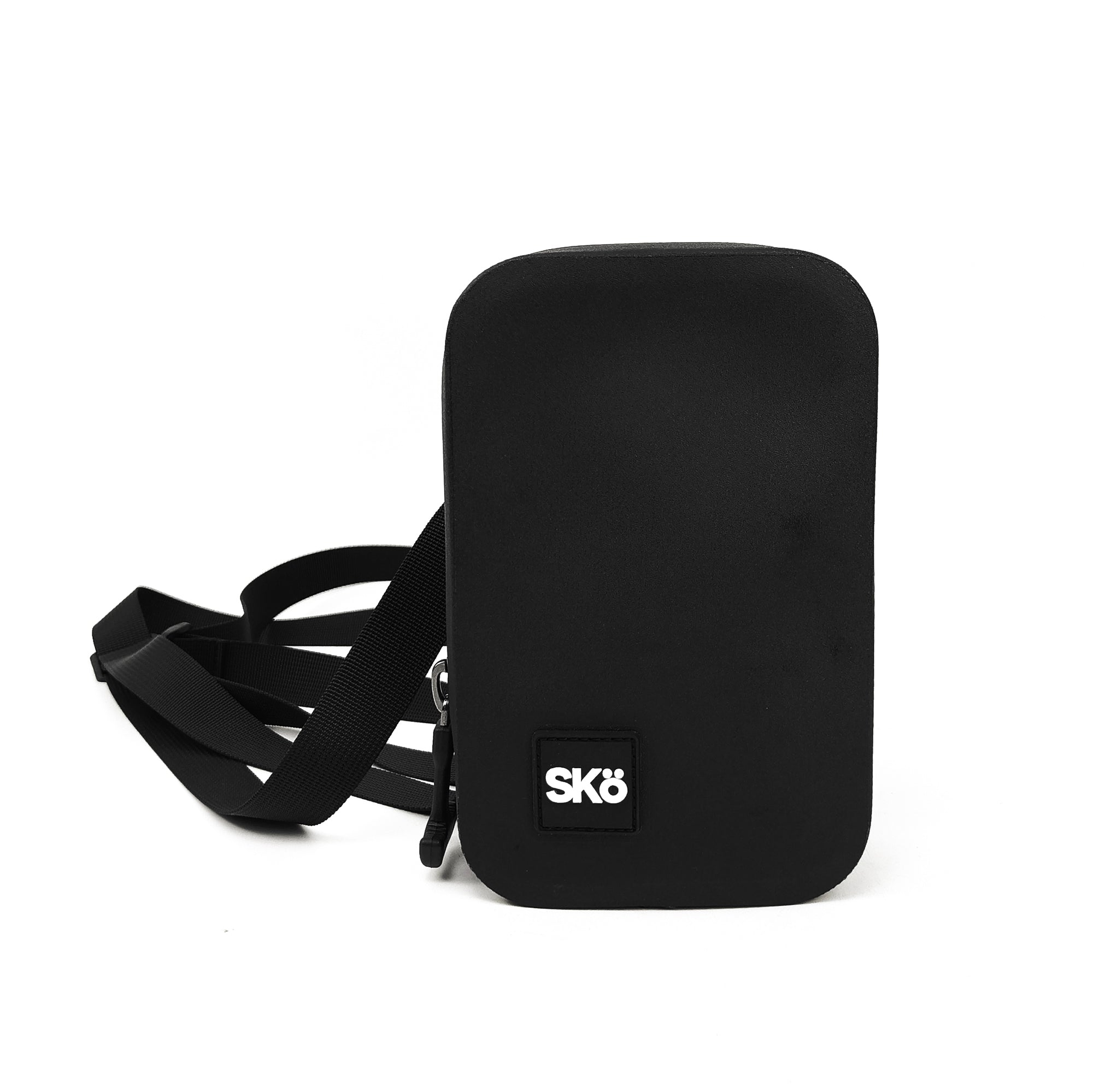
Si quieres tener las manos libres para la máscara, las aletas y subir por la escalera, usar algo cruzado en el cuerpo en lugar de dejarlo en el suelo resuelve totalmente el problema de "¿quién está vigilando nuestras cosas?". Es aquí donde muchos viajeros terminan usando un bolso cruzado impermeable para este tipo de viajes, ya que permanece contigo durante todo el nado en lugar de quedarse abandonado sobre una toalla.
Leer el agua antes de entrar
La guía de los CDC sobre nado en océanos, lagos y ríos recomienda verificar las banderas de playa y analizar las condiciones de corriente y calidad del agua antes de entrar, especialmente después de lluvias fuertes, que pueden activar alertas. Observa si hay corrientes de resaca, identificables como un canal de agua más agitada y descolorida que se aleja de la costa; si quedas atrapado en una, nada paralelo a la costa en lugar de intentar luchar para volver directamente. Nada de esto es exclusivo del esnórquel, pero es fácil pasarlo por alto cuando te centras en el equipo.
¿Necesito mi propio equipo de esnórquel o el alquiler está bien?
Las aletas y tubos de alquiler suelen estar bien para un viaje ocasional. Una máscara de alquiler es una apuesta mayor: el ajuste varía mucho según la forma de la cara, y una máscara con fugas arruina la experiencia rápidamente. Si haces esnórquel más de una vez al año, vale la pena tener una máscara con el ajuste adecuado.
¿Cuál es la mejor manera de llevar el teléfono mientras hago esnórquel?
Un estuche o bolsa impermeable totalmente sumergible, no uno resistente a salpicaduras, es el estándar mínimo si el teléfono va a entrar al agua contigo. Si lo vas a dejar en tierra o en un barco, una bolsa que permanezca contigo en lugar de quedar sin vigilancia es la opción más segura en una playa pública.
Fuentes
Si eres tú quien custodia los teléfonos y las llaves de la habitación de todos mientras el resto del grupo nada hacia el arrecife, un bolso cruzado impermeable te permite no tener que elegir entre acompañarlos y vigilar tus cosas.
$80 · Garantía limitada de por vida