


Paddle Boarding Essentials for Beginners
Paddle Boarding Essentials for Beginners
Last updated: August 17, 2026

The gear list is short. The part beginners skip is almost always the safety half, not the fun half.
A beginner needs six things to paddle board: a board 32–34 inches wide for stability, a paddle, a pump for inflatables, a leash, a Coast Guard–approved PFD, and a way to keep a phone and keys dry. Everything else — dry bags, a wetsuit, a roof rack — is optional and depends on where you're paddling.
Since 2008, the U.S. Coast Guard has classified SUPs as vessels once you're outside a designated swim, surf, or bathing area — which means paddlers 13 and older need a Coast Guard–approved life jacket on board (worn or not), paddlers 12 and under must wear theirs, and you need a whistle if you're out past the immediate shoreline (NRS). Inside a swim zone, none of that applies — which is part of why so many beginners never learn the rule exists.
What do you need for your first paddle boarding session?
A board (32–34 in wide for beginners), a paddle sized to your height, a pump if it's inflatable, a leash, and a Coast Guard–approved PFD — worn or on board depending on your age and location. Practice in calm, flat water away from boat traffic before progressing to rivers or open water.
The Core Gear List
- Board — 32–34 in wide, planing hull (flat, wide, rounded nose) for beginner stability
- Paddle — length roughly 6–10 in taller than you
- Pump — electric pumps are worth it for inflatables; hand pumps work but take 10–15 minutes
- Leash — ankle leash for flat water and surf; quick-release waist leash for moving water
- Coast Guard–approved PFD, sized correctly and within reach even when not worn
- A way to keep your phone, keys, and car fob dry and attached to you, not the board
Inflatable boards (iSUPs) are the better call for almost every beginner — they deflate into a backpack, take a pump-up to about 12–15 PSI, and are more forgiving than a hard board if you drop them or bump a dock. A hard board tracks slightly better once you're comfortable, but it needs a roof rack and is less forgiving of the wobbly first few sessions.
Practice somewhere flat and calm first — a no-wake lake, a bay, or a slow section of river — and check wind before you launch; anything over 10 mph makes paddling back to shore genuinely difficult. A quick lesson from a local outfitter or the American Canoe Association's Smart Start program covers fall recovery and reading conditions in about an hour, worth it before you go out alone.
A typical first session: calm bay, mid-morning before wind picks up, PFD strapped to the deck rather than worn since it's inside a swim zone, phone clipped in a pocket or pouch instead of a pants pocket. Falling in twice in the first twenty minutes is normal — the leash keeps the board within reach both times instead of drifting off.
People Also Ask
Do you need a life jacket to paddle board?
Yes, once you're outside a designated swim, surf, or bathing area. Paddlers 13 and older must have a Coast Guard–approved PFD on board (worn or not); paddlers 12 and under must wear theirs at all times. Inside a swim zone, you're exempt from the requirement.
What size paddle board should a beginner buy?
Look for 32–34 inches wide with a planing hull — flat, wide, and rounded like a surfboard. Width affects first-session stability more than length. A shorter, wider board will feel steadier than a longer, narrower one even though it's slower.
Sources
If you want your phone and key to stay dry and out of the way while you paddle, this is the kind of thing a waterproof crossbody solves without adding bulk to what's already a minimal gear list.
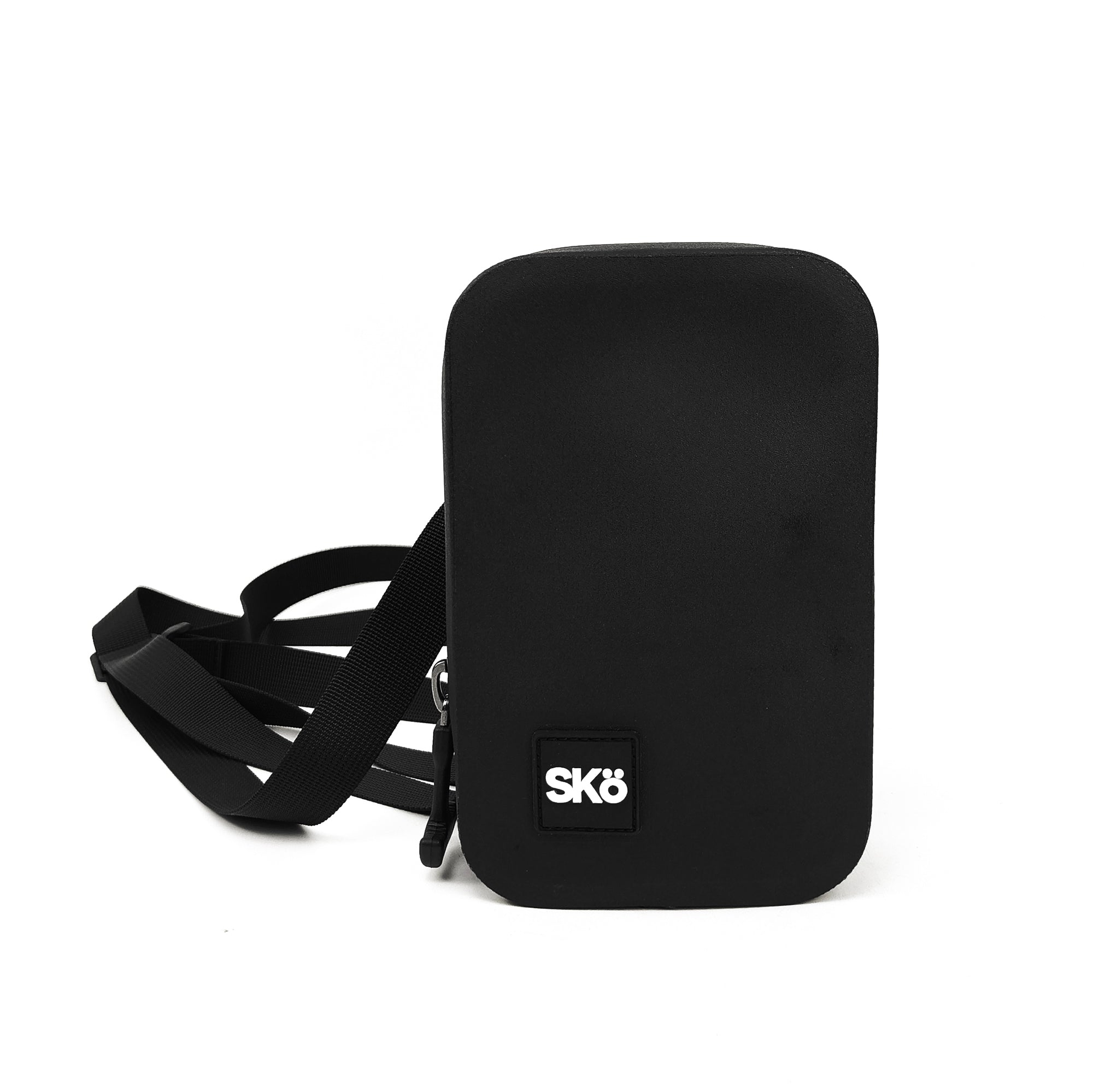
$80 · Limited Lifetime Warranty