


Are Dry Bags Actually Waterproof?
Are Dry Bags Actually Waterproof?
Last updated: August 17, 2026

"Dry bag" is printed on a lot of products that were never actually tested to be submerged.
Some dry bags are genuinely waterproof and can be fully submerged without leaking. Others are only splash- or rain-resistant despite being marketed as "dry bags," and the difference comes down to three things: seam construction, closure method, and base fabric — not the name on the label. Welded (not stitched) seams, a roll-top with at least three full folds, and a coated fabric with a hydrostatic head of roughly 2,000mm or higher means it's built for submersion. Stitched seams, a drawstring closure, or no listed rating means treat it as splash-resistant only.
A stitched seam has thousands of needle holes running through the fabric — no amount of sealing tape fully closes that once the bag is under real pressure, which is why gear comes out wet even from something labeled "waterproof." And don't assume an electronics-style IP rating printed on a bag means what it means on a phone — bag manufacturers rarely test to the same IEC standard.
Are dry bags actually waterproof?
Some are, some aren't. A dry bag is genuinely waterproof and submersible only if it has welded (not stitched) seams, a coated fabric with an adequate hydrostatic head rating, and a properly sealed roll-top or waterproof zipper closure. Bags described only as "water-resistant" or "splash-proof" are not built for submersion, regardless of the "dry bag" name on the label.
Why "Dry Bag" Isn't One Category of Product
The term "dry bag" gets used for anything from a $10 drawstring stuff sack to a fully welded, submersible bag rated for whitewater. Three things actually separate them.
| Feature | What It Means | Submersion-Ready? |
|---|---|---|
| Welded seams | Fabric fused with heat/pressure, no needle holes | Yes |
| Stitched seams | Sewn fabric with thousands of needle perforations, even if taped | Not for full submersion |
| Roll-top, 3+ folds + buckle | Compressed mechanical seal with no moving parts | Yes, if sealed correctly |
| Drawstring or simple flap closure | Cinched opening, not compressed or folded | Splash/rain only |
| Coated fabric, 2,000mm+ hydrostatic head | Base material itself resists water penetration under pressure | Yes |
A bag can have a great fabric and a bad closure, or a good closure sewn with stitched seams — either weak link is enough to let water in once the bag is actually submerged rather than just rained on. The most common sign a bag isn't sealed properly is gear coming out damp, not soaked — usually an incomplete roll-top or a zipper that wasn't fully engaged, not the fabric itself failing.
To test one before it matters: leave enough slack at the top to get a full three-fold roll before clipping the buckle, then fill it with air, seal it, and submerge it in a sink or tub for a few minutes — squeeze gently and watch for bubbles at the seams or closure, which is exactly where a leak shows up.
On a multi-day kayak trip, an overstuffed dry bag that only manages two folds instead of three is the most common way "waterproof" gear ends up damp — not a fabric failure, just an incomplete seal. Same bag with two inches of slack for a proper three-fold roll comes through a capsize completely dry.
People Also Ask
Can a dry bag be fully submerged?
Yes, but only if it's built for it — welded seams, a coated waterproof fabric, and a correctly sealed roll-top or waterproof zipper closure. A bag with stitched seams or a drawstring closure is not built for submersion, even if it's labeled a "dry bag."
What's the difference between waterproof and water-resistant dry bags?
Waterproof bags are built and tested to keep contents dry under full submersion. Water-resistant bags handle rain and splashes but aren't designed for sustained water pressure or being underwater — the seams and closure typically aren't rated for it.
Sources
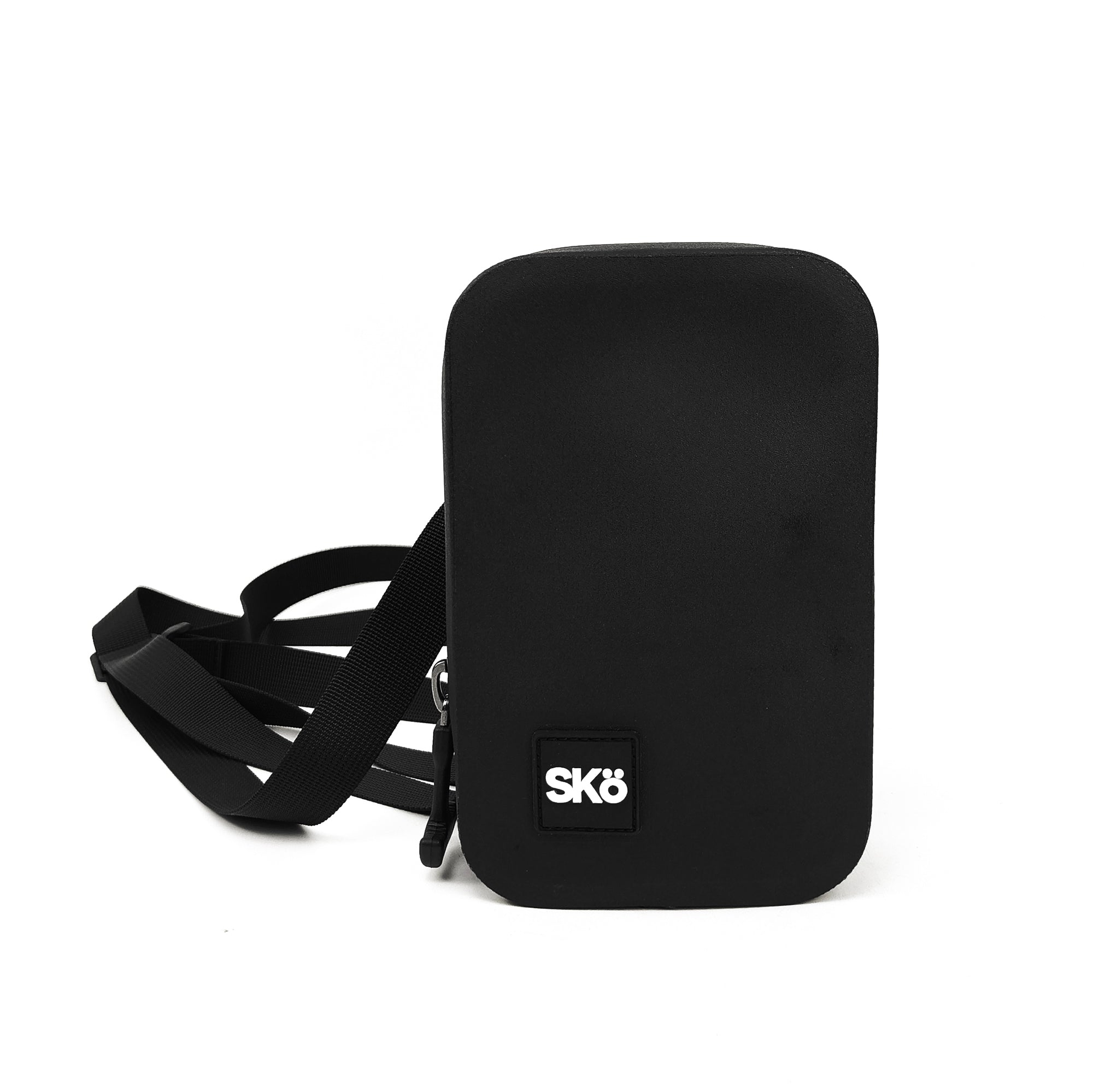
If you just need something small and submersible for a phone, wallet, and keys rather than a full-size dry bag, SKö's waterproof crossbody is built the same way — welded seams, no roll-top guesswork.
$80 · Limited Lifetime Warranty